





More Than Just Heavy Rain
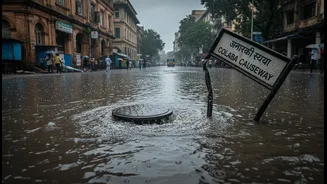
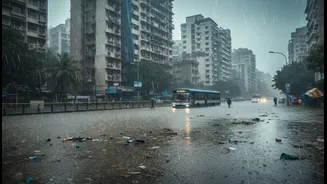
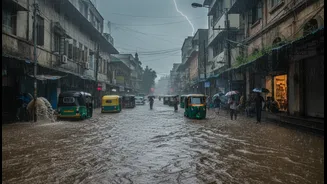
For decades, the conversation around Mumbai's monsoon has been one of acceptance and adaptation. Flooded railway tracks, traffic snarls, and the occasional 'work from home' advisory were seen as an unavoidable part of city life. The annual narrative focused
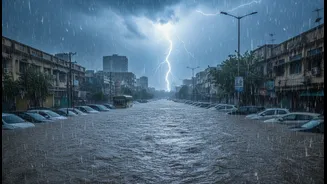
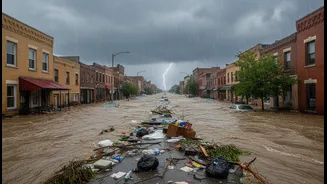
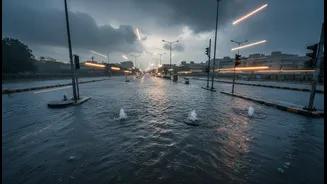
on pre-monsoon desilting, pothole repairs, and a reactive response to disruptions. The general understanding was clear: Mumbai floods because it rains heavily. While true, this simple cause-and-effect story is proving dangerously outdated. The problem is no longer just the volume of rain, but its unprecedented intensity, a change that is pushing the city's infrastructure past its breaking point.
A New Story Told in Numbers
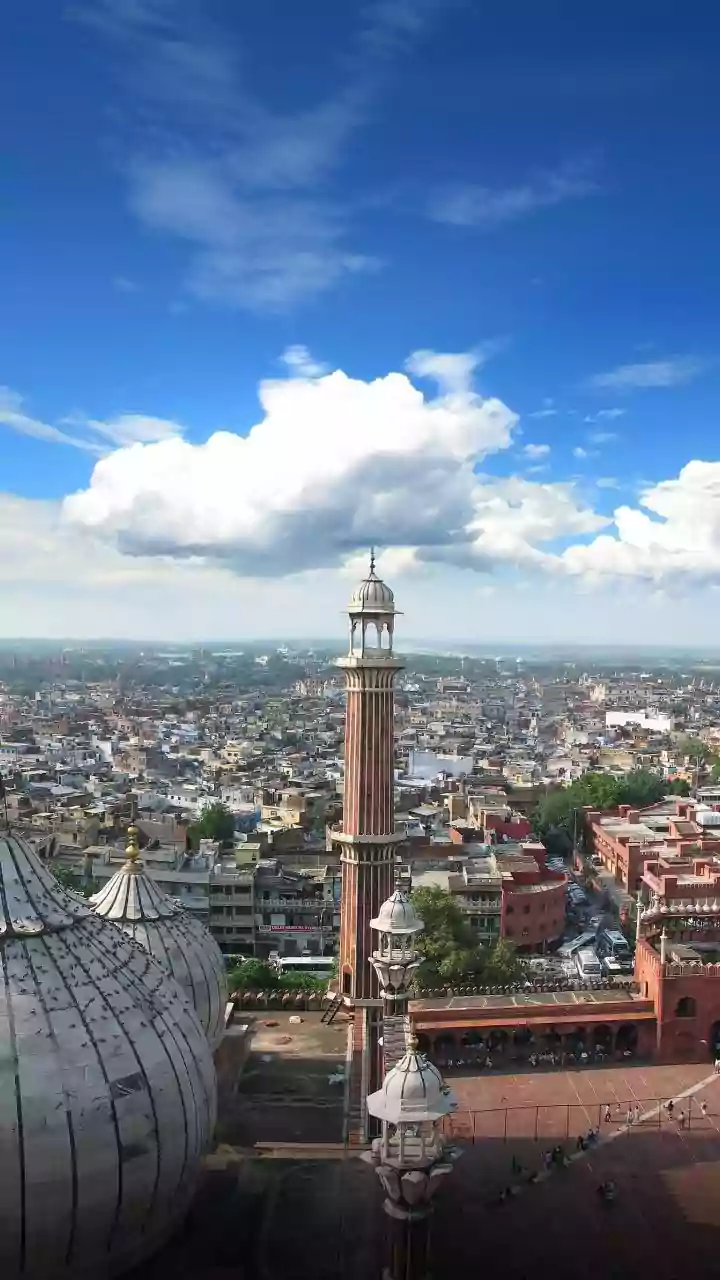
The first week of July 2026 provided a stark reality check. The IMD's Santacruz observatory recorded nearly 1,000 mm of rain, surpassing the average for the entire month of July in just seven days. Some parts of the city received over 60% of their average seasonal rainfall in less than a week. To put this in perspective, Mumbai received more rain in a week than Delhi typically gets in an entire year. Climate scientists explain that this isn't just more rain, but a fundamental change in how it falls. A warming Arabian Sea allows the atmosphere to hold more moisture, which is then released in short, ferocious bursts. Instead of steady showers spread over weeks, Mumbai is now experiencing a series of 'cloudburst-like' events where hundreds of millimetres fall in just a few hours.
When Old Drains Can't Cope
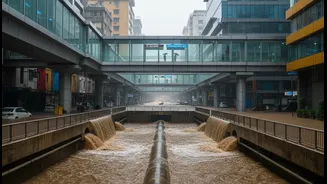
This shift from volume to intensity is at the heart of the new planning conversation. Mumbai's drainage systems, many of them decades old, were designed based on historical rainfall patterns. They can handle moderate rain over several hours, but are simply overwhelmed by the short, extreme downpours that are becoming the new normal. This is compounded by rampant urbanisation. Decades of replacing mangroves, wetlands, and open ground with concrete has severely reduced the city's natural ability to absorb water. Rain that once soaked into the ground now immediately becomes surface runoff, funnelling directly into an already overburdened drainage network choked with silt and plastic waste.
Shifting the Planning Paradigm
The alarming data is forcing a paradigm shift. The question is no longer just "Why did it flood?" but "Why are we still using yesterday's assumptions to plan for tomorrow's climate?". In response, authorities are beginning to look beyond conventional engineering. The Brihanmumbai Municipal Corporation (BMC), in collaboration with IIT Bombay, is preparing a massive flood mitigation project. Crucially, this plan isn't just about building bigger drains and more pumping stations. It incorporates 'Sponge City' concepts, such as creating urban sponge parks, using permeable pavements, and restoring mangroves and wetlands to act as natural buffers. The focus is moving towards making the city more absorbent, rather than just trying to drain the water away faster.
A Blueprint for a Resilient Future
This new data-driven story marks a critical pivot from crisis management to climate resilience. The city's latest climate budget allocates significant funds for flood management and greening projects. There is a growing recognition that resilience requires not only climate-informed infrastructure design but also protecting the city's remaining natural ecosystems. This involves smarter urban planning, better early-warning systems, and acknowledging that past development that ignored environmental impacts has contributed to the present crisis. The challenge is immense, but the narrative has finally changed. The monsoon is no longer seen as a predictable seasonal event to be managed, but a volatile and changing force that must be adapted to.