

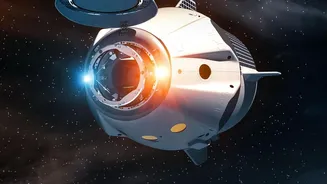
A Successful Return Journey
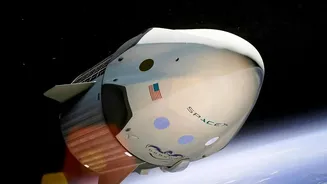
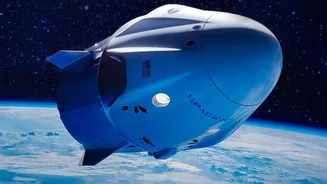
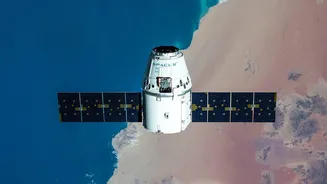
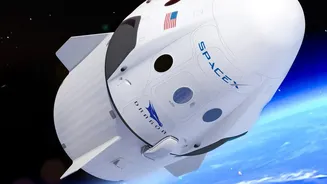
On November 21, SpaceX's uncrewed Dragon spacecraft successfully completed its 35th Commercial Resupply Services (CRS) mission for NASA, parachuting into the Pacific Ocean off the coast of California. The capsule began its journey home the previous day,
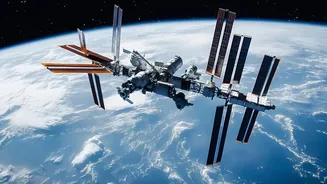
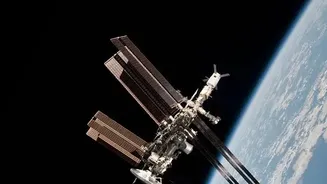
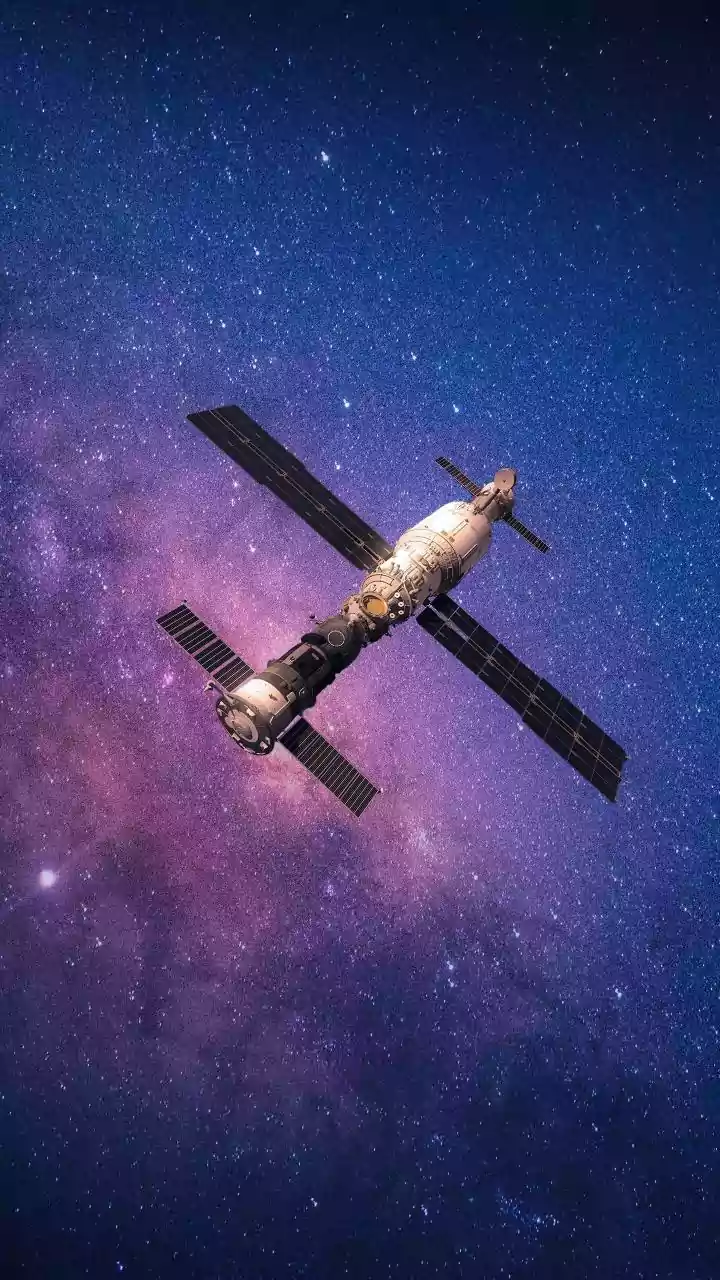
undocking from the International Space Station (ISS) while orbiting 260 miles above Earth. This return trip is a critical part of the mission, as the Dragon is currently the only cargo vehicle capable of bringing significant amounts of research and hardware back to Earth intact. Other resupply vehicles are designed to burn up upon re-entry. A recovery ship was on-site to quickly retrieve the capsule and its time-sensitive contents, ensuring the scientific samples are delivered to NASA's labs as quickly as possible.
The Importance of a Deep Freeze
Much of the science returning from the ISS is biological, and its integrity depends on an uninterrupted 'cold chain' from orbit to the laboratory. The samples are stored in specialized freezers on the station, transferred to powered freezers aboard the Dragon, and quickly moved to processing facilities upon return. This process is vital because it prevents the samples from degrading and stops the pull of Earth's gravity from immediately altering the unique changes that occurred in microgravity. For studies involving cellular structures or molecular biology, even a slight temperature change or delay could compromise months of research conducted in space. The frozen samples hold a near-perfect snapshot of their state in orbit, ready for detailed analysis by scientists on the ground.
Cancer, Cardio, and Microbes
The cargo hold of CRS-35 reads like a wish list for medical researchers. Among the returned items were frozen tumor organoids—lab-grown models of cancerous tumors—that were treated with experimental drugs on the station. Studying these in microgravity helps scientists better understand how tumors respond to chemotherapy, which could lead to more effective treatments on Earth. Also on board were 3D-bioprinted blood vessel structures used to study cardiovascular disease and the aging process. In addition, scientists are eager to analyze frozen microbial samples to understand how antibiotic-resistant bacteria survive and evolve in space. This research is crucial for protecting astronaut health on long-duration missions and could provide valuable insights into combating superbugs back on Earth.
The Business of Science in Orbit
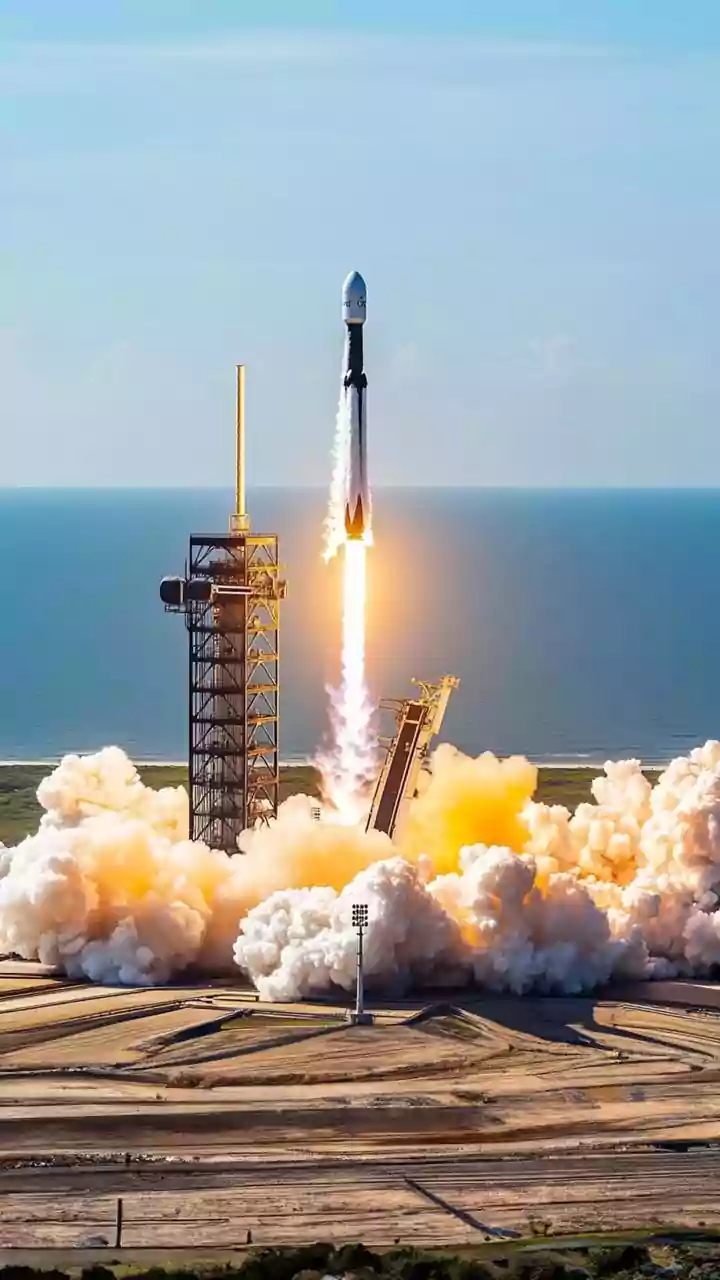
Missions like CRS-35 highlight the crucial partnership between NASA and commercial companies like SpaceX. NASA's Commercial Resupply Services program has created a reliable pipeline for sending supplies up to the ISS and, just as importantly, getting valuable science back down. This model allows NASA to focus on its core exploration and research goals while leveraging the innovation and efficiency of the private sector for logistics. SpaceX's Dragon, with its unique ability to return cargo, is a cornerstone of this strategy, enabling a whole new class of sophisticated biological experiments that require Earth-based analysis. Each successful mission reinforces the growing orbital economy, where access to space drives scientific discovery and technological advancement for everyone.