




From the Yoga Mat to the Weight Rack
For decades, Indian fitness culture was dominated by accessible, low-equipment activities. Yoga, with its ancient roots in the country, has long been a cornerstone of wellness. Morning walks are a daily ritual in countless neighbourhoods, and sports like
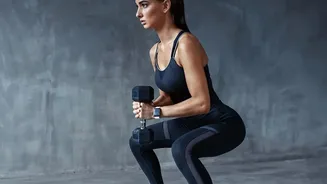
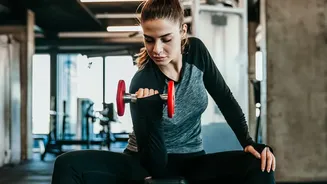
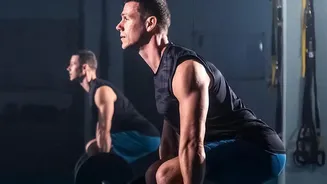
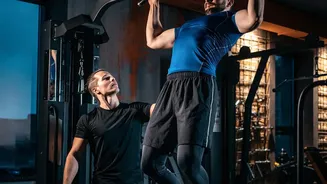
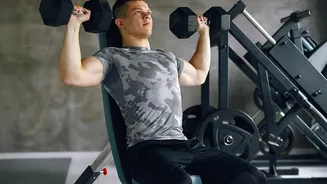
cricket are woven into the social fabric. These activities, focused on flexibility, light cardio, and community, have defined physical activity for millions. However, a significant shift is underway. While these traditional forms remain popular, a new contender has entered the mainstream: strength training. Once seen as the exclusive domain of bodybuilders and elite athletes, lifting weights is now being embraced by people from all walks of life, including homemakers, working professionals, and even retirees.
What's Driving the Big Shift?
Several factors are fuelling this fitness evolution. The digital age has played a monumental role. Social media platforms like Instagram and YouTube have democratized fitness knowledge, making workout routines and expert advice from global and Indian fitness influencers readily accessible. This exposure has helped demystify strength training, breaking down the myth that it's only about 'bulking up'. Furthermore, the success of Indian athletes like Neeraj Chopra and Mirabai Chanu, whose training regimens heavily feature strength work, has inspired many to see lifting as a path to functional strength and resilience, not just aesthetics. There is also a growing awareness around 'longevity'—the idea of training not just for summer, but for a healthy, active life into one's 80s.
The Undeniable Benefits of Getting Stronger
The science is clear: strength training offers a powerful range of health benefits that are particularly relevant for the Indian population. It is a potent tool for managing lifestyle diseases. Regular resistance exercise improves insulin sensitivity, which can help prevent or manage type 2 diabetes. It also boosts metabolism, strengthens bones to combat age-related density loss, and improves cardiovascular health by lowering blood pressure. Beyond the physical, the mental health benefits are significant, with studies showing it can reduce symptoms of anxiety and depression while boosting self-esteem. For many, the goal has shifted from simply losing weight to building a strong, capable body that can handle daily demands with ease.
A More Inclusive and Accessible Fitness Scene
This broadening of fitness routines is also changing the look and feel of fitness spaces. Gyms are no longer just intimidating rooms full of iron; they are evolving into community hubs offering everything from CrossFit to Zumba alongside traditional weight rooms. There's a notable increase in the number of women embracing strength training, challenging old stereotypes and seeking the empowerment that comes with physical strength. The industry is responding with a boom in boutique studios, online coaching programs, and the development of 'athleisure' wear designed for both the gym and the street. Even public parks are seeing the installation of open-air gyms, making basic strength training equipment accessible to those who may not be able to afford a gym membership. This hybrid approach, blending gym visits, home workouts, and digital guidance, is making fitness a more integrated part of daily life.