




The Allure of the Authentic
In an age of curated digital perfection, there is a growing hunger for experiences that feel real and rooted. Young travellers are increasingly looking beyond cookie-cutter destinations, seeking authenticity and a tangible connection to culture. General
travel trends for 2026 show a significant move away from rushed, checklist-style tourism towards slower, more meaningful trips. This is where Bishnupur and Murshidabad fit in perfectly. These towns are not just tourist spots; they are living museums. Instead of manufactured fun, they offer stories etched in brick and stone, from the intricate terracotta panels of Bishnupur's temples to the melancholic grandeur of Murshidabad's nawabi past. This desire for genuine cultural immersion is a key driver, with many young people choosing to explore the rich history lying right in their own state's backyard.
Instagrammable History and Visual Appeal
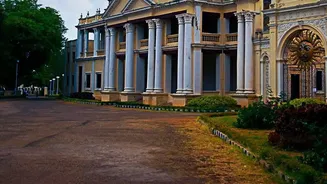
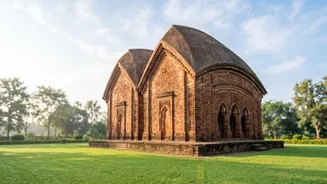
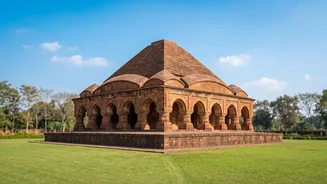
Let's be honest: aesthetics matter. The visual appeal of both towns is a huge draw for a generation fluent in the language of social media. Bishnupur, with its unique, rust-red terracotta temples rising against the green landscape, is a photographer's dream. Structures like the pyramidal Rasmancha and the five-spired Shyam Rai Temple offer endless opportunities for stunning shots that are both beautiful and culturally significant. Similarly, Murshidabad's Hazarduari Palace, with its thousand doors (900 of which are famously fake) and magnificent European architecture, provides a dramatic backdrop that stands out on any feed. The trend isn't just about vanity; it's about documenting and sharing unique experiences. These heritage sites offer a visual narrative that is far more compelling than another generic sunset picture.
Convenience is King for a Weekend Break
The trend towards shorter, more frequent 'mini-breaks' is a defining characteristic of Gen Z and millennial travel. Both Bishnupur and Murshidabad are perfectly positioned for this, being easily accessible from Kolkata for a weekend trip. Bishnupur is just a 3-4 hour train or car ride away, with multiple daily trains making it a hassle-free journey. Train tickets can be very affordable, sometimes starting as low as ₹100-₹200. Murshidabad is similarly well-connected by rail, with trains like the Hazarduari Express taking around 3.5 to 4.5 hours to reach. This accessibility makes it possible to leave Kolkata on a Friday evening or Saturday morning and be back by Sunday night, fully refreshed without needing to take extra leave. The budget-friendly nature of travel and accommodation in these towns further adds to their appeal for a young demographic.
Bishnupur: Terracotta, Textiles, and a Timeless Beat
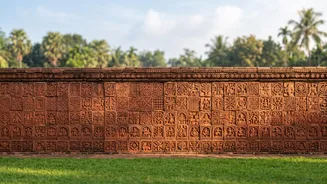
A trip to Bishnupur is a journey into the heart of the Malla dynasty's artistic legacy. The town is renowned for its terracotta temples built between the 17th and 18th centuries, each with a distinct architectural style like the 'Eka-Ratna' or 'Pancharatna'. The walls of these temples are covered in detailed carvings depicting scenes from the Ramayana and Mahabharata, as well as moments from daily life. But the culture here isn't confined to monuments. Bishnupur is also the home of the famous Baluchari sarees, which historically drew inspiration from the temple motifs. The town is also known for the Bishnupur Gharana of Hindustani classical music, adding another layer of living heritage to the experience.
Murshidabad: Echoes of Nawabs and Palatial Grandeur
If Bishnupur is about rustic charm, Murshidabad is about fading imperial glory. Once the capital of Bengal, the city is dominated by the imposing Hazarduari Palace Museum. This palace, with its massive collection of antiques, weapons, and the world's second-largest chandelier, offers a vivid glimpse into the lives of the Nawabs of Bengal. The surrounding Nizamat Kila complex includes the massive Nizamat Imambara and the Madina Mosque. A boat ride on the Bhagirathi river, with the palace in the background, is a quintessential Murshidabad experience. The town invites visitors to walk through its historic lanes and imagine a time when it was the centre of power and politics for an entire region, a past filled with intrigue and splendour.