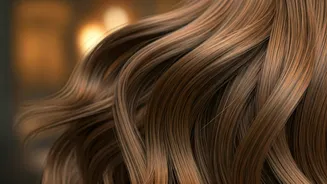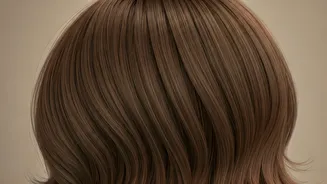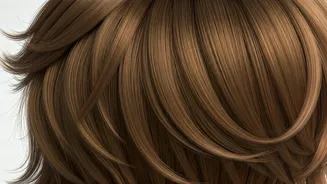




What Exactly Are Feathered Layers?
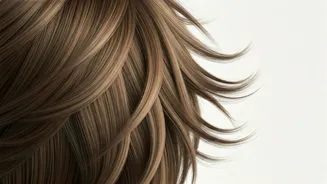
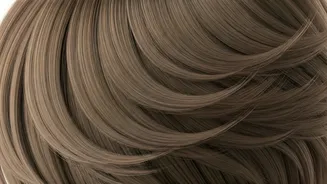
Feathered hair isn't just another term for layers; it's a specific technique designed to create a soft, airy finish. While standard layers are often cut more bluntly to build shape, feathering involves texturising the ends so they are lighter and wispier.
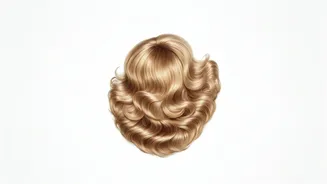
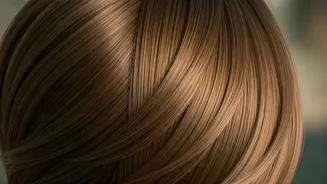
The stylist typically cuts the hair at an angle, tapering the ends to create a look that resembles the delicate, overlapping structure of a bird's feathers. This removes bulk and weight, allowing the hair to move more freely and fall with a gentle, blended flow rather than a series of distinct steps. The result is a softer, more lightweight look that still feels full of body and movement.
A Timeless Trend's Modern Revival
The feathered hairstyle first gained iconic status in the 1970s, famously worn by stars like Farrah Fawcett, whose voluminous, flicked-back style became a global phenomenon. The look remained popular through the '80s and saw revivals in subsequent decades. Today, the trend is back but with a modern, more versatile twist. While the '70s version was often about dramatic volume and pronounced flips, today's feathered styles are more adaptable. They range from subtle, face-framing pieces that add a hint of softness to shaggy cuts with all-over texture. The modern feather cut works with various lengths, from short pixies and bobs to long, flowing locks, making it a fresh and relevant choice.
Is This Look Right for You?
One of the greatest appeals of feathered layers is their versatility. The technique can be adapted for almost any hair type and face shape. For those with thick hair, feathering is an excellent way to remove excess weight and prevent the hair from feeling bulky, creating shape and movement. If you have fine hair, don't count it out; lighter, wispier feathered layers can create the illusion of volume and fullness without sacrificing precious density. While originally designed for straight or wavy hair, feathering can also enhance natural curls by giving them more shape and preventing the dreaded "triangle" effect. The style is particularly flattering for medium to long hair but can also add texture and dimension to bobs and even pixie cuts.
How to Ask Your Stylist for the Look
Clear communication in the salon chair is key to getting the haircut you want. Start by bringing in inspiration photos of modern feathered styles that you like. Instead of just saying "I want layers," be specific. Use phrases like "soft, feathered layers," "wispy face-framing pieces," or "tapered ends to reduce bulk." Discuss how much movement you want and where. You can ask your stylist to ensure the layers are focused toward the ends to avoid removing too much volume from the crown. A good stylist will be able to assess your hair type and face shape to customize the cut perfectly for you, ensuring the layers flow beautifully.
Styling Your Feathers for Maximum Bounce
Once you have the cut, styling it at home is what truly brings out that bouncy, airy quality. The quintessential tool is a round brush paired with a blow dryer. As you dry, pull sections of hair through the brush, rolling the ends away from your face to create that signature outward flick. For a more modern, tousled look, you can use a curling iron or wand to add soft waves, again focusing on flipping the ends out. A lightweight volumizing mousse applied to damp hair can provide lift, while a texturizing spray on dry hair will enhance the separation and airy feel of the layers. To maintain the cut, plan on getting a trim every 6-8 weeks to keep the feathered ends looking fresh and prevent them from becoming blunt.