
Signs Your Plant Needs a New Home
Before you even think about pot sizes, you need to know when to repot. Your plant will give you several clear signals when it's feeling cramped. The most obvious sign is roots growing out of the drainage holes at the bottom of the pot. You might also
notice that you're having to water it much more frequently because there isn't enough soil left to hold moisture. Other indicators include slowed or stunted growth during the growing season, water running straight through the pot without being absorbed, or the plant literally pushing itself up and out of its container. If you notice more than one of these signs, it’s time for an upgrade.
The Problem with 'Bigger is Better'
It’s a common temptation to move a small plant into a massive pot, thinking you’re giving it room to grow and saving yourself a future repotting job. However, this is one of the most frequent mistakes in plant care. A pot that’s too large holds a volume of soil that the plant's small root system can't use. This excess soil stays wet for too long, creating a perfect environment for root rot, a fungal disease that can quickly kill a plant. The plant may also focus all its energy on developing a sprawling root system to fill the space, rather than producing lush new leaves, leading to weak and spindly growth above the soil.
How to Inspect the Root Ball
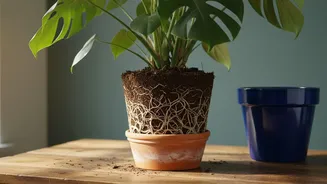
To make an informed decision, you must look at the roots. Water your plant a day before you plan to inspect it to reduce stress. To remove the plant, turn the pot on its side, hold the base of the plant firmly, and gently tap the pot's edge on a solid surface. The plant and its soil should slide out in one piece. Now, look at the roots. Are they gently filling the space, or are they a dense, tangled mass circling the shape of the pot? If you see more roots than soil, and they’ve formed a tight, constricted web, the plant is 'root-bound' and definitely needs a new pot.
The Golden Rule of Sizing Up
Here is the most important step: choosing the new pot. The universal rule of thumb is to select a new pot that is only 1 to 2 inches (about 2.5 to 5 cm) larger in diameter than the current one. For very large plants in pots over 10 inches in diameter, you can go up by 2 to 4 inches. This small increase gives the roots enough new space to expand without leaving them in a swamp of unused, waterlogged soil. This method directly matches the new environment to the plant's needs, encouraging healthy, steady growth both above and below the soil.
The Final Steps: Pot Material and Repotting
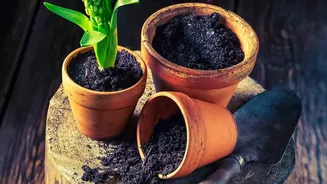
Once you have the right size, briefly consider the material. Porous pots like terracotta allow soil to dry out faster, which is great if you tend to overwater. Plastic or glazed ceramic pots retain moisture longer. Always choose a pot with a drainage hole. To repot, place a layer of fresh potting mix in the new container. If the root ball is tightly wound, gently tease the bottom roots apart to encourage them to grow outwards. Place the plant in the new pot, ensuring it sits at the same soil level as before, and fill the sides with fresh soil. Water thoroughly to settle the soil and remove air pockets, and you’re done.