






Clear Gutters and Drains
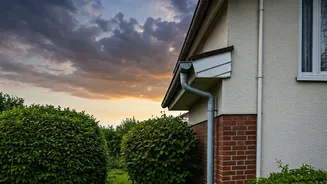
This is arguably the most crucial pre-monsoon task. Over time, your roof gutters and drains get clogged with leaves, dirt, and other debris. When heavy rain hits, blocked gutters can't channel water away from your home. Instead, water overflows and can seep
into your roof, damage your home’s foundation, and cause unsightly water stains on your exterior walls. Get a ladder and clear them out manually, or hire a professional if you're not comfortable. Use a hose to flush out the downspouts and ensure water flows freely away from your house. Also, check the drains around your property and in your society complex to make sure they aren’t blocked, which can lead to waterlogging in your compound or street.
Inspect Your Roof and Walls
A small crack can become a big problem during a relentless downpour. Do a thorough visual inspection of your roof and exterior walls. On the roof, look for any missing, loose, or cracked tiles and get them repaired or replaced immediately. For flat terraces, check for cracks in the waterproofing layer. These often appear as dark, web-like lines. On your exterior walls, look for any cracks in the plaster. Even hairline fractures can allow water to seep in, leading to dampness, mould, and peeling paint on the inside. Applying a fresh coat of waterproof exterior paint can provide an extra layer of protection. This preventative step saves you from costly and disruptive repairs later on.
Seal Windows, Doors, and Balconies
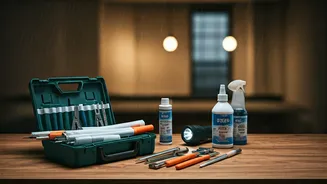
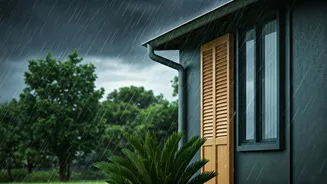
Wind-driven rain can be surprisingly persistent, finding its way through the smallest of gaps. Check the sealing around your window frames and doors. Over time, the sealant or rubber gaskets can wear out, creating entry points for water. Apply a good quality silicone sealant to fill any gaps you find. For wooden doors and windows that tend to swell up and get jammed in humid weather, consider sanding the edges slightly or applying a coat of varnish or paint to repel moisture. Ensure your balcony drains are clear and that any sliding doors have proper weatherstripping at the bottom to prevent water from being blown inside your living room or bedroom.
Assemble an Emergency Kit
Heavy rains in India often lead to power cuts and can sometimes disrupt water supply or access to local shops. Being prepared for these inconveniences makes a huge difference. Your emergency kit should include essential items like torches with extra batteries, a power bank for your mobile phones, a first-aid kit with basic medicines, and a stock of candles and matchboxes. It’s also wise to have some non-perishable food items (like biscuits, nuts, and instant noodles) and a few large bottles of drinking water stored away. If you have an inverter, get its battery and water levels checked to ensure it’s ready to perform when needed. Having these items on hand means you won't be caught off-guard if the lights go out or you can't step out.
Protect Electronics and Furniture
Water and electricity are a dangerous combination, and moisture can ruin expensive furniture. Before the rain gets heavy, take a moment to safeguard your valuables. Unplug any non-essential electronics, especially those near windows or on the floor. Power surges are common during thunderstorms, so using a good quality surge protector for expensive items like your TV, computer, and refrigerator is a smart investment. If you have wooden furniture near windows or on balconies, consider moving it to a more central, dry location to prevent it from getting warped or damaged by moisture. If you live on a ground floor in an area prone to waterlogging, it might even be wise to raise valuable furniture and electronics onto bricks or blocks as a precaution.