



A Craving for Calm and Connection
In today’s fast-paced world, many urban dwellers find themselves in compact apartments surrounded by concrete rather than greenery. This has sparked a collective desire to bring the outdoors in, a concept known as biophilic design. More than just a fleeting
trend, it's a response to our innate need to connect with nature for our mental and physical well-being. Homeowners are increasingly seeking to create spaces that feel grounding, restorative, and healthy. This shift is fuelling the popularity of materials that are not just beautiful but also sustainable and tactile, moving away from mass-produced uniformity towards pieces with soul and a story.
The Enduring Warmth of Wood
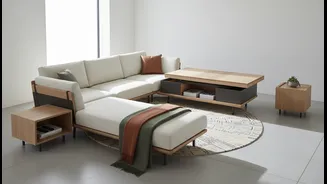
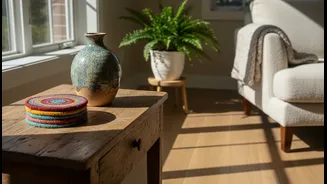
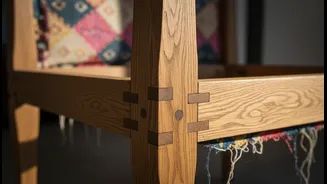
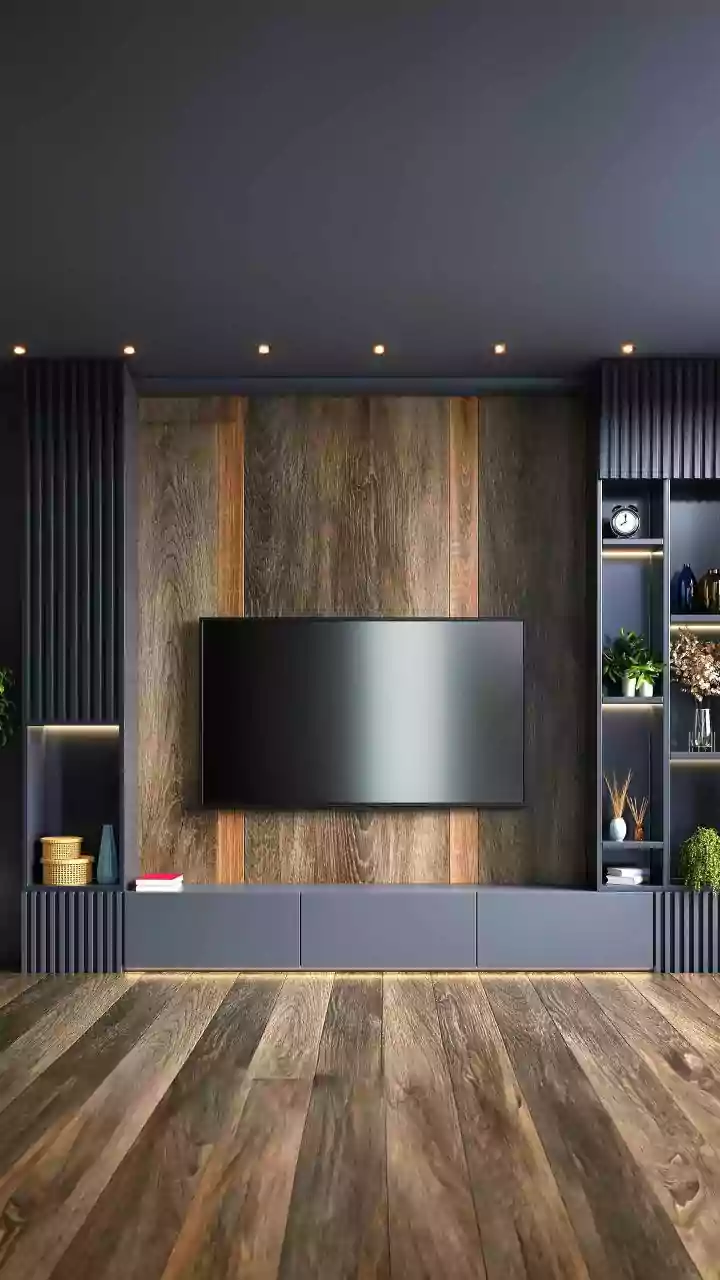
Wood, in all its forms, is at the forefront of this natural design wave. It introduces an instant sense of warmth and character that few other materials can match. The trend for 2026 goes beyond just traditional furniture, incorporating wood into wall panelling, ceiling beams, and flooring to create an enveloping, cosy atmosphere. There's a growing appreciation for reclaimed and salvaged wood, which not only champions sustainability but also brings a rich history into the home. Materials like teak, mango wood, and even fast-growing bamboo are being celebrated for their durability and unique grains, often left with a raw, imperfect finish to showcase their natural beauty.
The Lightness of Cane and Rattan
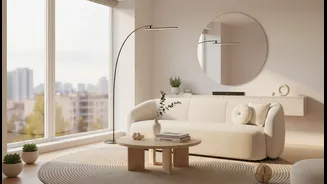
Cane and rattan furniture, once considered nostalgic or vintage, is experiencing a remarkable resurgence in modern Indian homes. These woven materials are prized for their visual lightness, which is perfect for smaller urban apartments as they don't make a room feel crowded. Cane is incredibly versatile, appearing in everything from intricate headboards and wardrobe shutters to statement chairs and decorative screens. Beyond its aesthetic appeal, cane is a practical choice for the Indian climate. Its woven structure allows air to circulate, making it a breathable and comfortable option for seating. This revival also celebrates local artisanship, bringing handcrafted heritage into contemporary living spaces.
The Grounding Power of Stone
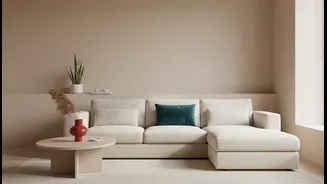
To balance the warmth of wood and cane, designers are turning to the cool, earthy presence of stone. This isn't limited to high-gloss marble; the trend embraces a more rugged, authentic feel. Materials like Kota stone, slate, and sandstone are being used for floors and accent walls, providing a tactile and grounding element that stays cool in the summer. For those seeking a similar effect without the structural work, stone-look textures are a popular alternative. Finishes like lime-wash and Venetian plaster can mimic the subtle, hand-applied texture of natural stone, adding depth and character to walls. These surfaces play beautifully with natural light, creating a soft, layered appearance that feels both sophisticated and calming.
Bringing the Look Home
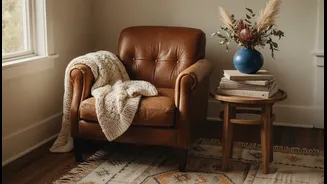
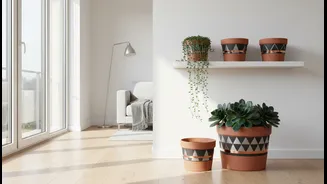
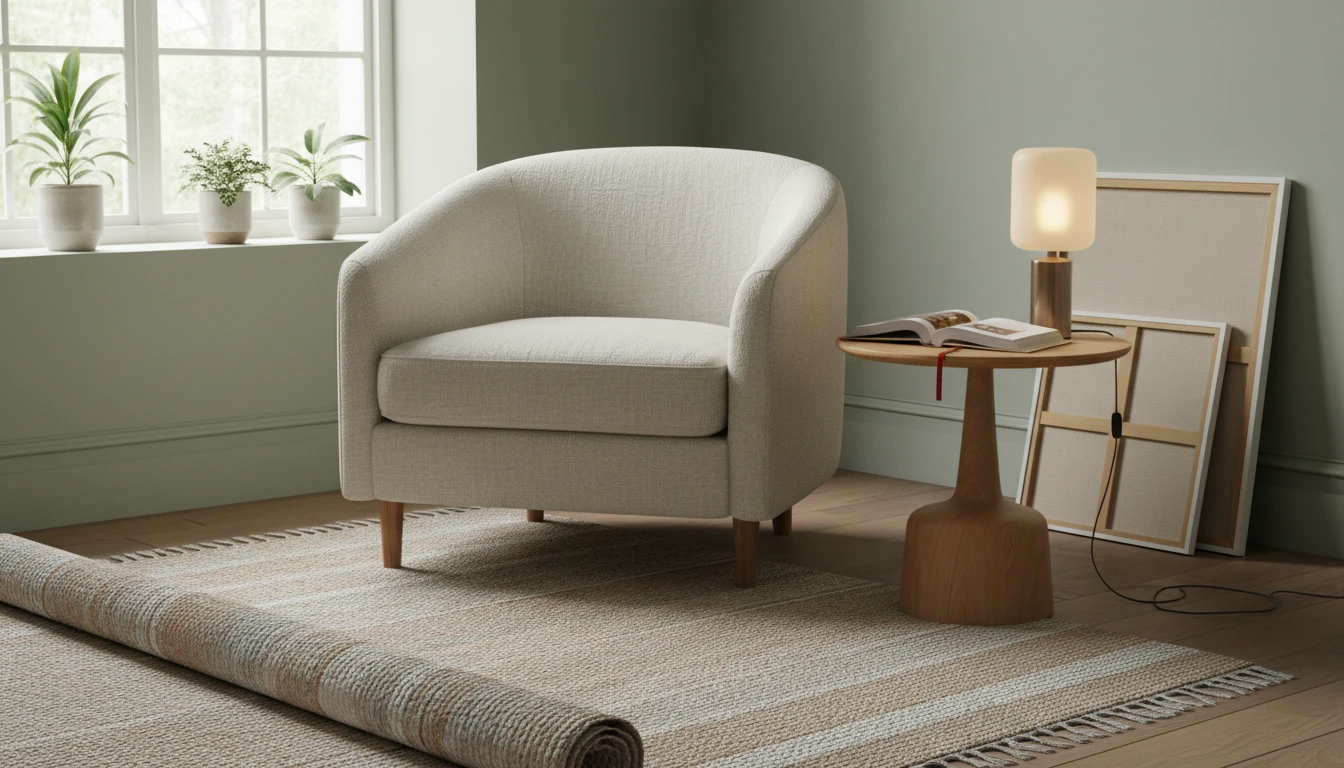
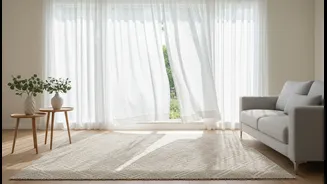
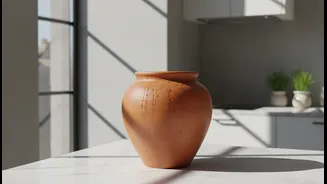
Incorporating this trend doesn't require a complete overhaul. Start small by introducing natural textures through decor. Think terracotta pots, jute rugs, linen cushion covers, or a hand-carved wooden tray. The key is to layer different materials to create a space that invites touch. Pair a smooth wooden dining table with textured rattan chairs, or contrast a rough stone-clad wall with soft, organic cotton curtains. The goal is to create a harmonious blend of warm and cool elements, hard and soft surfaces. Let the natural imperfections of each material shine through, creating a home that feels personal, lived-in, and deeply connected to the natural world.