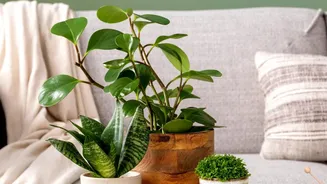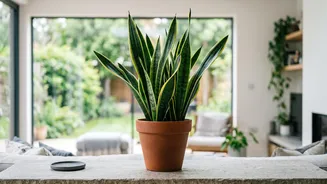



The Promise of a 1989 NASA Study
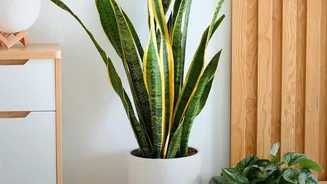
The belief that houseplants are natural air purifiers largely stems from a landmark 1989 study by NASA. Scientists, looking for ways to clean the air in sealed space stations, placed common houseplants in small, airtight chambers and injected volatile
organic compounds (VOCs) like formaldehyde and benzene. VOCs are chemicals emitted by everyday items like furniture, paint, and cleaning products. The results were remarkable: some plants were able to remove a significant percentage of these pollutants from the sealed chambers. This led to the widely popularised idea that adding plants to our homes could scrub the air of harmful toxins, a concept that has been a staple of wellness and design advice ever since.
From a Sealed Chamber to Your Living Room
The problem, as more recent research has pointed out, is that your living room is not a sealed NASA chamber. The original experiments were conducted in small, contained environments to measure the plants' capabilities under controlled conditions. Our homes, by contrast, have much larger volumes of air and are constantly subject to ventilation, whether through open windows, doors, or HVAC systems. This natural air exchange dilutes and removes pollutants far more rapidly and effectively than a few potted plants can. In a 2019 review of decades of research, scientists at Drexel University concluded that once you account for the normal air exchange rate in a building, the air-cleaning effect of plants is almost negligible.
A Reality Check in Numbers
So, how many plants would it actually take to make a difference? The numbers are staggering. According to researchers who have re-analysed the data, you would need anywhere from 10 to 1,000 plants per square metre of floor space to match the air-cleaning power of a building's natural ventilation or a standard air purifier. To put that in perspective, to purify a typical 1,500-square-foot home, you might need around 680 plants. Trying to turn your home into a jungle dense enough to impact air quality would be impractical, creating issues with humidity and pests long before you felt any respiratory benefits.
The Real, Proven Benefits of Houseplants
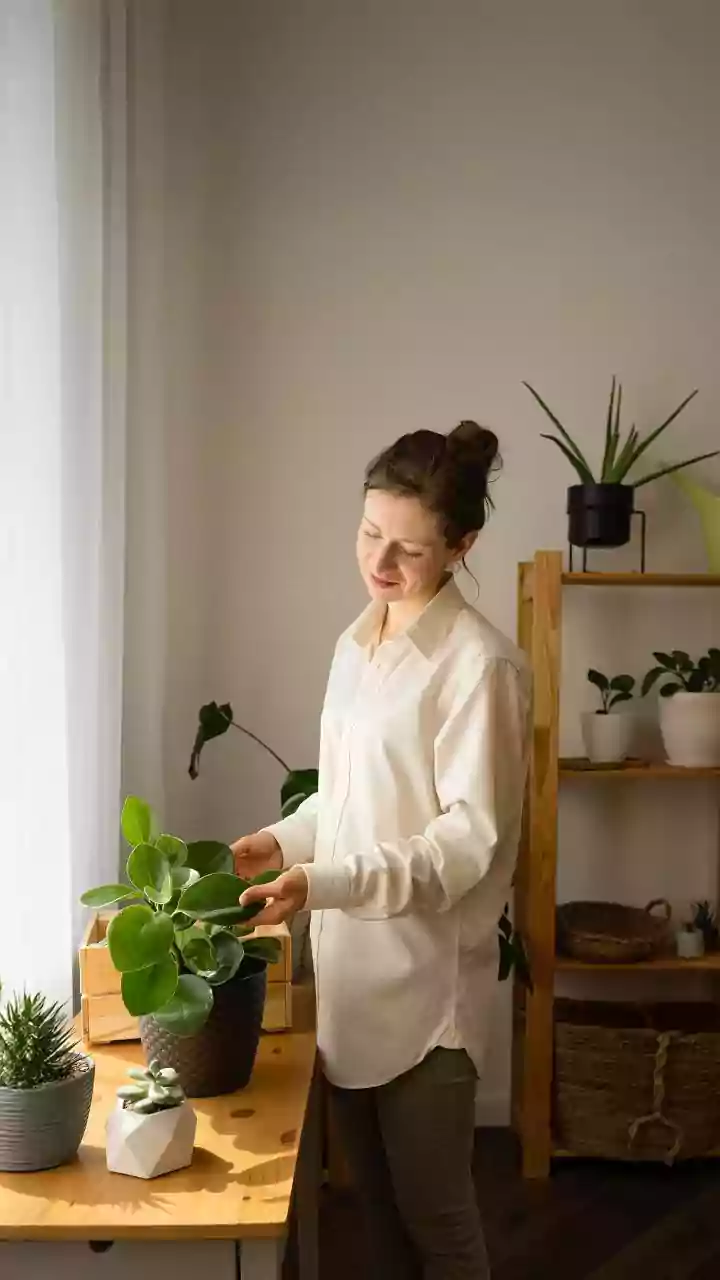
While they may not be the miracle air purifiers we hoped for, this doesn't mean you should abandon your leafy companions. The benefits of having plants indoors are real and well-documented, they just lie in a different area: our well-being. The concept of 'biophilia'—our innate tendency to connect with nature—suggests that seeing greenery makes us feel good. Studies have shown that interacting with indoor plants can lower physiological stress, improve mood, and even boost focus and concentration. They add beauty, life, and a touch of nature to our indoor spaces, which are powerful benefits on their own. They also contribute to indoor humidity through transpiration, which can be beneficial in dry environments.
Better Ways to Actually Clean Your Air
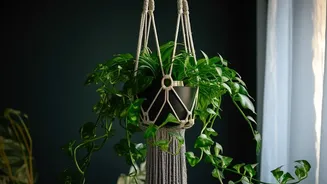
If you are genuinely concerned about indoor air quality, there are far more effective strategies than buying a few more pothos plants. The simplest and most effective method is ventilation: regularly opening windows to allow fresh air to circulate and flush out pollutants. Using exhaust fans in kitchens and bathrooms to remove pollutants at the source is also crucial. For those who want a more robust solution, a mechanical air purifier with a HEPA filter is the gold standard. A HEPA filter is designed to capture 99.97% of fine airborne particles, including dust, pollen, and pet dander, while activated carbon filters can help remove VOCs and odours. These devices are thousands of times more efficient at cleaning air than plants because they actively circulate and filter large volumes of it.