



Choose Your Arena: Pots and Placement
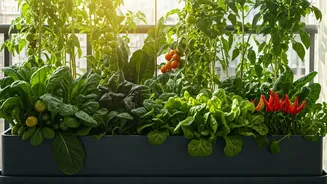
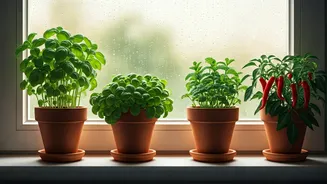
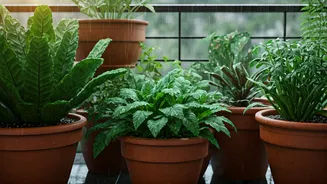
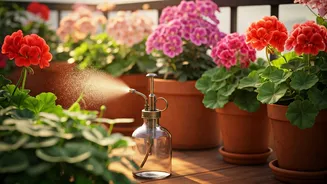
Before you buy a single seed, assess your space. Most balconies, windowsills, or tiny terraces can host a garden. The key is choosing the right containers. Terracotta pots are excellent as they are porous and allow soil to breathe, preventing waterlogging
— a major risk during the monsoon. Ensure every pot, regardless of material, has at least one drainage hole at the bottom. No exceptions! Place your pots where they can receive at least 3-4 hours of sunlight, but are also somewhat shielded from the full force of torrential rain and wind. A spot near a wall or under a slight overhang is ideal. If you're using hanging baskets, make sure they are securely fastened to withstand strong monsoon gusts.
The Foundation: Perfect Potting Soil
Monsoon gardening is all about drainage. Regular garden soil will become a sludgy, compacted mess, suffocating your plant's roots. You need a light, well-draining potting mix. While you can buy pre-made mixes online or at a nursery, creating your own is simple and effective.
A reliable DIY recipe for the rainy season is:
- 1 part red soil (regular garden soil)
- 1 part cocopeat (helps retain moisture without getting soggy)
- 1 part compost (like vermicompost, for nutrients)
- A handful of sand or perlite (improves drainage)
Mix these components thoroughly. This blend provides nutrients, retains just enough moisture, and allows excess water from the rains to flow out freely, preventing the dreaded root rot.
The Stars of the Season: What to Plant
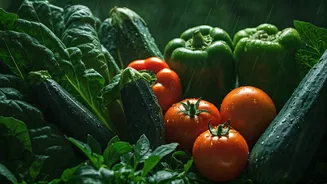
Now for the fun part! Not all plants love the relentless dampness of the monsoon, but many thrive. This is the best time for leafy greens and fast-growing vegetables.
**Vegetables:**
- **Leafy Greens:** Spinach (palak), Amaranth (chaulai), and Fenugreek (methi) grow incredibly fast in this weather.
- **Creepers:** Cucumber, bitter gourd (karela), and bottle gourd (lauki) love the humidity. You'll need to install a small trellis for them to climb on.
- **Quick Wins:** Radish (mooli) and ladies' finger (bhindi) are relatively easy and rewarding.
**Herbs:**
- Basil, mint (pudina), and lemongrass are robust and love the moist conditions. They'll also help keep some pests away.
**Flowers:**
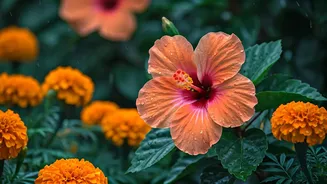
- For a splash of colour, consider Balsam, Cosmos, Marigold (genda), and Zinnias. They are hardy monsoon bloomers that will brighten up the greyest of days.
Planting and Early Care
You can start your garden from seeds or by purchasing small saplings from a local nursery. Sowing seeds is more economical, but saplings give you a head start. When sowing seeds, don't plant them too deep; a good rule of thumb is to bury them at a depth of twice their size. Moisten the soil gently after sowing.
For the first couple of weeks, be gentle. If the rains are too harsh, you might need to temporarily move your seed trays or small saplings to a more sheltered spot. Once the plants have established a few true leaves and look sturdy, they can handle the weather. Don't overwater; check the soil with your finger. Even during the monsoon, there can be dry spells, and pots under a roof might not get any rain at all. Water only when the top inch of soil feels dry.
Monsoon Maintenance and Troubleshooting
A monsoon garden needs a little extra attention. The constant dampness can invite pests and fungal diseases. Be vigilant.
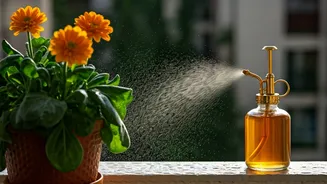
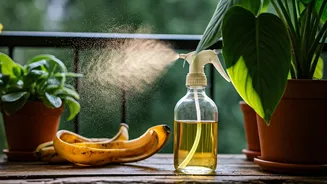
- **Pest Patrol:** Look out for snails and slugs, who love this weather. You can pick them off manually. For aphids and other pests, a simple spray of neem oil solution (a few drops of neem oil and liquid soap in water) works wonders.
- **Fungal Issues:** To prevent fungal growth, ensure there is good air circulation around your plants. Avoid overcrowding pots. If you see any yellowing leaves or white powdery mildew, remove the affected leaves immediately.
- **Feeding Your Plants:** Heavy rains can wash nutrients out of the soil. Feed your plants with a diluted liquid fertiliser (like a seaweed solution or a compost tea) every 15 days to keep them healthy and productive.