



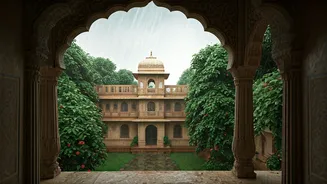


A Different Shade of Rajasthan
For years, the classic tourist season in Rajasthan has been the winter, from October to March. But a growing number of travellers are discovering the unique charm of visiting during the monsoon, roughly from July to September. The intermittent rains break
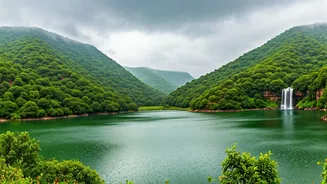
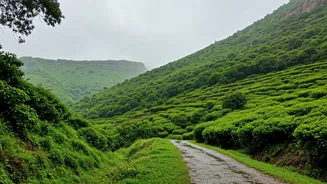
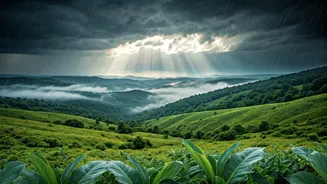
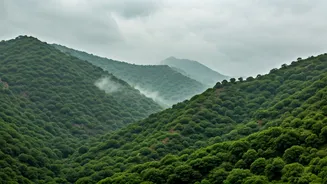
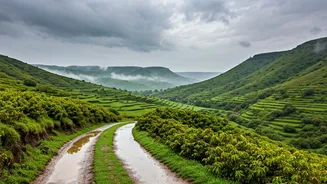
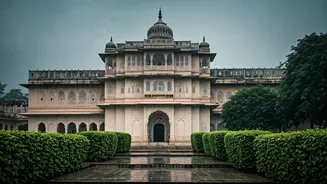
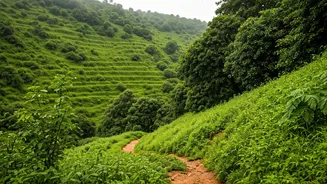
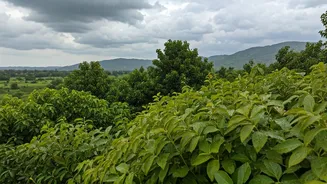
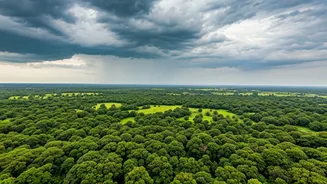
the intense summer heat, bringing temperatures down to a more pleasant range. This seasonal shift transforms the state’s famously arid landscapes into a surprisingly lush paradise. The Aravalli hills, which form the spine of the state, shed their brown and grey tones for a vibrant green, and the scent of wet earth replaces the dust. This is a Rajasthan that defies clichés, offering a sensory experience that feels both tranquil and rejuvenating. The rain-washed forts and palaces gleam under dramatic, cloudy skies, providing a completely different backdrop for sightseeing and photography.
Udaipur: The City of Lakes Reborn
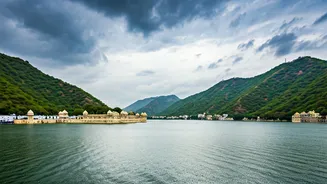
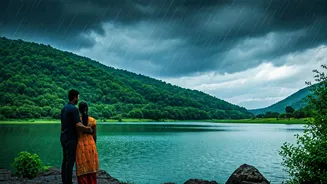
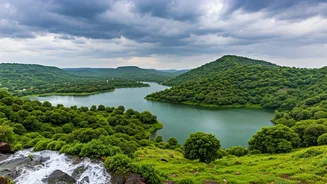
Nowhere is the monsoon transformation more evident than in Udaipur. Known as the 'City of Lakes', Udaipur becomes exceptionally beautiful when its water bodies, like Lake Pichola and Fateh Sagar Lake, are replenished by the rains. Boating on the swelling lakes offers mesmerising views of the rain-drenched City Palace and the floating Jag Mandir. The Sajjangarh Palace, aptly nicknamed the Monsoon Palace, lives up to its name during this season. Perched on a high peak, it provides breathtaking panoramic views of the city enveloped in mist and clouds. The surrounding hills, including the popular trekking spot Bahubali Hills near Badi Lake, become verdant and inviting, offering scenic drives and walks that are simply not the same in the dry season.
The Aravallis in Full Bloom
Beyond Udaipur, the Aravalli Range offers numerous destinations that come alive in the monsoon. Mount Abu, Rajasthan’s only hill station, becomes a misty, emerald haven. With temperatures cooling down significantly, it offers a refreshing escape. Boating on Nakki Lake amidst the mist, exploring the magnificent Dilwara Temples without the usual crowds, and trekking to Guru Shikhar, the highest peak in the range, are prime monsoon activities. Further afield, the region around Kumbhalgarh Fort, a UNESCO World Heritage Site, turns into a lush, green paradise. The fort's massive wall, second only to the Great Wall of China, looks even more formidable when surrounded by low-hanging clouds and vibrant foliage. Lesser-known gems like Bundi, with its charming stepwells and palaces, also become incredibly picturesque.
The Practical Perks of an Off-Season Trip
Beyond the scenic beauty, travelling to Rajasthan during the monsoon comes with significant practical advantages. This period is considered the off-peak tourist season, which translates to fewer crowds at major attractions. Imagine exploring Amer Fort or City Palace without navigating through a sea of people, allowing for a more personal and immersive experience. This scarcity of tourists also leads to considerable savings. Hotels, including luxury and heritage properties, often offer significant discounts, with rates dropping by as much as 30-50% compared to the peak winter season. Flights and tour packages can also be more affordable, making a premium Rajasthan experience more accessible. The slower pace allows for more meaningful interactions, whether with guides, local artisans, or hotel staff.
Tips for a Smooth Monsoon Journey
While monsoon travel is rewarding, it requires some preparation. The rains are typically not continuous downpours but rather short, intermittent spells, especially in cities like Jaipur. Pack lightweight, quick-drying clothes and a reliable raincoat or umbrella. Waterproof footwear is essential for comfortably exploring wet streets and trails. It's wise to maintain a flexible itinerary, as a sudden shower might alter your plans for the day. While road travel is generally safe, be cautious on hilly routes in places like Mount Abu, which can be misty or occasionally experience minor landslides. Finally, don't forget insect repellent. With the fresh greenery and water, there is a higher chance of mosquitoes. A little planning ensures you can fully enjoy the unique magic of a rain-light trip to Rajasthan.