




Your Foundation: More Than Just Boots
Many first-time trekkers underestimate the single most important piece of gear: their shoes. Regular sports shoes or casual boots are not built for this environment. Himalayan winter trails can be a treacherous mix of snow, ice, rock, and mud. Your footwear
is your first line of defence against slips, falls, and the severe danger of frostbite. A good trekking shoe offers ankle support to prevent twists on uneven ground, a sturdy, waterproof exterior to keep your feet dry when crossing streams or trudging through snow, and a deep-lugged sole for essential grip on slippery surfaces. Without this, you risk not only discomfort from blisters and wetness but also trek-ending injuries. Investing in proper, high-ankle, waterproof trekking boots is non-negotiable; it's the foundation of a safe and enjoyable journey.
The Science of Staying Warm: The Layering System
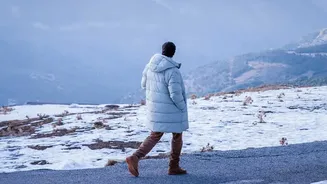
The secret to staying warm in sub-zero temperatures isn’t piling on the bulkiest jacket you can find. It’s about a strategic, multi-layer system designed to trap body heat while managing moisture. Physical exertion, even in the cold, makes you sweat. This moisture is your enemy; when it gets trapped against your skin, it rapidly cools your body, increasing the risk of hypothermia. The layering system works by using different types of clothing together, each with a specific job. This approach allows you to adapt to changing conditions by adding or removing layers as you hike, rest, or as the weather turns.
Layer 1: The Base Layer
This is the layer worn directly against your skin. Its primary job is not to provide warmth, but to wick moisture away from your body to keep you dry. This is where fabric choice is critical. Avoid cotton at all costs. Experienced trekkers have a saying: 'cotton kills'. Cotton absorbs sweat like a sponge and stays wet, pulling heat away from your body. Instead, opt for synthetic materials like polyester or, even better, merino wool. Merino wool is an excellent choice as it wicks moisture effectively and continues to provide some insulation even when damp.
Layer 2: The Mid-Layer
This is your insulation layer. Its purpose is to trap the body heat that your base layer is working to preserve. This is where you wear your warm clothes, like a fleece jacket or a light down or synthetic insulated jacket. Fleece is a popular and affordable option that is lightweight and provides good warmth. Down jackets are incredibly warm for their weight and highly compressible, making them easy to pack. Synthetic insulation is another great choice, with the added benefit of retaining its insulating properties even if it gets wet. On a typical trek, you might wear one or two mid-layers, depending on the temperature.
Layer 3: The Outer Shell
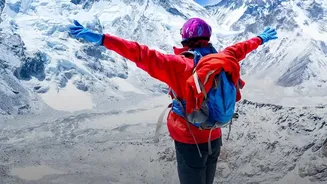
Your outermost layer is your shield against the elements. This should be a waterproof and windproof jacket, often called a shell jacket. Its job is to protect your insulating mid-layers from getting wet from snow or rain, and to block the wind, which can dramatically lower your body temperature. Look for materials that are also breathable, which allows sweat vapour from your inner layers to escape. A good shell jacket ensures that the entire layering system can do its job effectively, keeping you warm, dry, and protected from unpredictable Himalayan weather.
Don't Forget Your Extremities
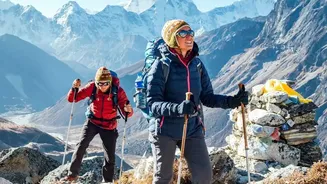
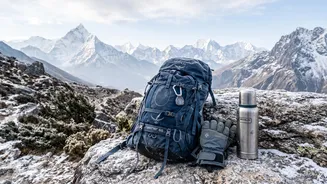
Your head, hands, and feet are where you lose heat the fastest, so protecting them is crucial. This means packing warm wool or synthetic socks (again, no cotton), insulated and waterproof gloves, a warm woollen cap or beanie that covers your ears, and a buff or neck gaiter that you can pull up over your face to protect from biting winds. UV-protected sunglasses are also essential, as the reflection from the snow can be intense and cause snow blindness.