
Swap Regular Flours for Vrat-Friendly Options
Instead of relying solely on potatoes and sabudana, embrace the variety of fasting-approved flours. Kuttu (buckwheat), singhara (water chestnut), and rajgira (amaranth) are excellent alternatives. These flours are not only permissible but are also packed
with more protein and essential minerals. You can use them to make rotis, parathas, cheelas, or pooris. A simple rajgira paratha served with plain curd makes for a wholesome meal that provides sustained energy, unlike the quick rush from more common fasting snacks.
Rethink Your Reliance on Potatoes
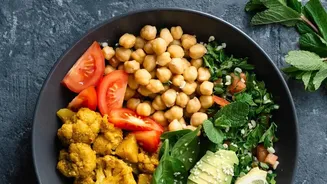
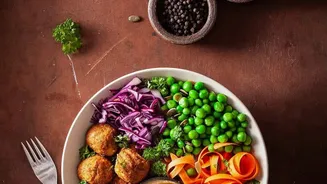
Potatoes are a staple during Sawan fasting, but they don't have to be the only vegetable on your plate. Expand your options to include other vrat-friendly vegetables like sweet potatoes, pumpkin, bottle gourd (lauki), and arbi (colocasia). Sweet potatoes, for instance, can be baked into fries or made into a delicious chaat, offering fibre and vitamins. A simple lauki sabzi or pumpkin curry seasoned with sendha namak (rock salt) and mild spices like cumin and black pepper provides essential nutrients without being heavy on the stomach.
Power Up with Protein from Dairy and Nuts
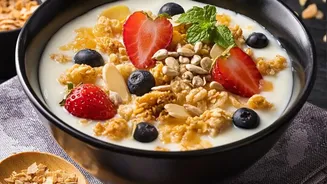
Many traditional vrat meals are heavy on carbohydrates, which can lead to energy slumps. To counter this, make a conscious effort to include protein. Paneer (cottage cheese), milk, and curd are fantastic sources of protein that keep you feeling full and satisfied. Grilled paneer, a bowl of fruit with curd, or a glass of milk can significantly improve the nutritional profile of your fasting diet. Additionally, a handful of nuts like almonds, walnuts, and peanuts provides healthy fats and protein, making them an ideal snack to curb hunger pangs between meals.
Hydrate Intelligently
Staying hydrated is crucial, especially during the humid monsoon weather of Sawan. While water is essential, you can also include other healthy beverages. Coconut water is excellent for replenishing electrolytes naturally. Homemade buttermilk (lassi) or milkshakes (without refined sugar) are also great options where permitted by family tradition. It’s best to avoid packaged juices and sugary drinks, as they can cause energy spikes and subsequent crashes. Infusing water with fruits or a squeeze of lemon can make hydration more appealing.
Give Sabudana a Healthy Makeover
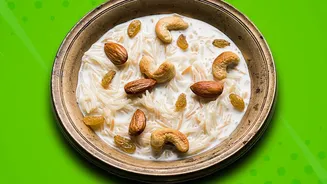
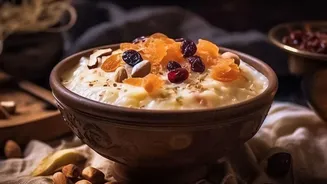
Sabudana is synonymous with fasting, but it's often prepared as deep-fried vadas or a khichdi with a lot of oil. To make it a healthier choice, try different preparations. A baked sabudana vada or a tikki made with minimal ghee can be just as delicious. When making sabudana khichdi, be mindful of the amount of oil used and bulk it up with roasted peanuts for extra protein and crunch. You can also make a comforting sabudana kheer with milk and nuts, which serves as a nutritious dessert or light meal.
Don’t Forget Fresh Fruits and Makhana
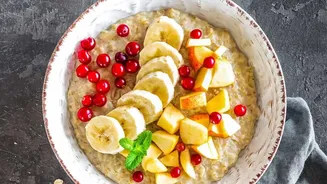
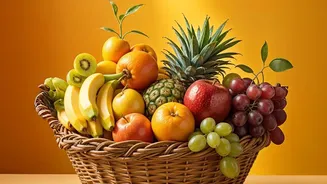
Fruits are a non-negotiable part of any healthy vrat diet. They are light, hydrating, and provide a wealth of vitamins and fibre. Bananas, apples, papayas, and pomegranates are excellent choices to have throughout the day. Another fasting superstar is makhana (fox nuts). Instead of reaching for a packet of fried chips, roast a bowl of makhana in a teaspoon of ghee and sprinkle with sendha namak. They are light, crunchy, full of calcium, and help keep you full for longer.