



A Revival Rooted in Respect
The current handloom revival is not about nostalgia; it's a conscious movement. For years, handloom was often seen as occasion-wear, reserved for festivals and weddings. Today, that perception is shifting dramatically. The new philosophy champions handloom for everyday
life, viewing it as a sustainable and authentic alternative to fast fashion. This change is driven by a desire for products with meaning and a story. Consumers are increasingly interested in where their clothes come from, who made them, and the craftsmanship involved. This has created a space where handloom is not just preserved but is being positioned as a form of modern, conscious luxury.
The Designer as Custodian
At the heart of this revival are designers who see themselves as custodians of a legacy, not just creators of fashion. Labels like Raw Mango and brands like Ekaya have been pivotal in repositioning handloom within the luxury market. The core idea is to change the context, not the craft itself. Designers are collaborating closely with artisan clusters, respecting the integrity of the weave while challenging how it is perceived. The innovation lies in experimenting with contemporary silhouettes like jackets and dresses, using thoughtful colour palettes, and focusing on digital storytelling to connect with a new generation. This approach ensures the fabric remains the hero, with its inherent texture and history at the forefront.
Avoiding the Dilution Trap
The phrase 'craft dilution' refers to the risk of oversimplifying traditional techniques to make them cheaper or faster for mass production. This can lead to the loss of regional motifs, complex weaving methods, and ultimately, the artisan's unique skill. The current movement actively works against this by positioning handloom's unique qualities—its authenticity, slight irregularities, and the human touch—as its greatest strengths. Instead of competing with the price and volume of power looms, the focus is on what machines cannot replicate. Technology is being used not to replace skills but to enhance them, with tools like IoT sensors helping authenticate handloom products and digital platforms connecting weavers directly to global markets.
Beyond the Saree
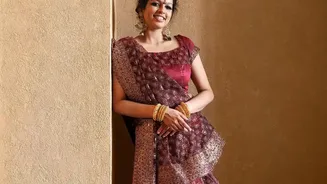
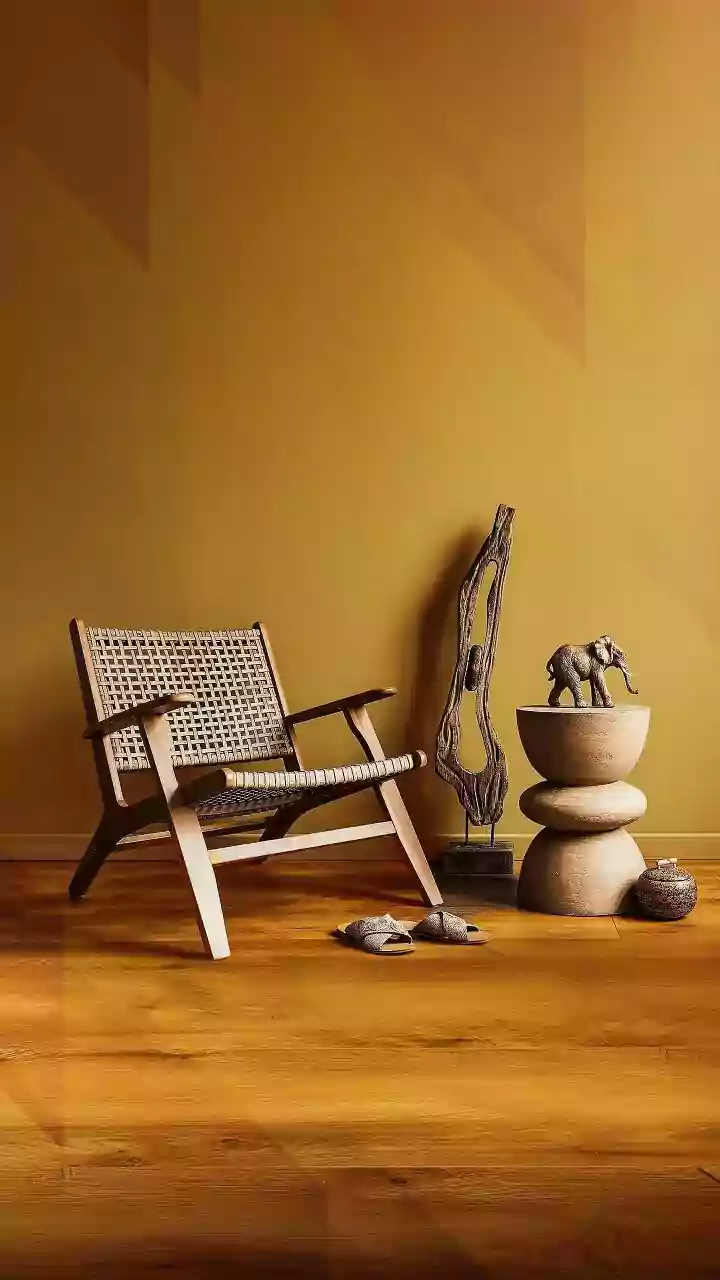
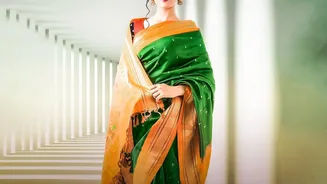
A key strategy for making handloom relevant is moving it beyond its traditional forms. While the saree remains an iconic canvas, designers are now transforming handwoven fabrics into a diverse range of products. We now see handloom being used for contemporary co-ord sets, stylish jackets, trousers, shirts, and even home decor. This versatility is crucial. By integrating handloom into various aspects of a modern lifestyle, from office wear to casual summer clothing, it becomes a practical and desirable choice for everyday expression rather than a textile reserved for special occasions.
The Rise of the Conscious Consumer
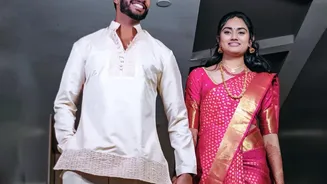
This revival is not a one-way street; it's a conversation between creators and consumers. A growing number of buyers, particularly the younger generation, are driving the demand for sustainable and ethically produced goods. They are looking for authenticity and are willing to invest in pieces that support artisan communities and preserve cultural heritage. This shift in consumer mindset is perhaps the most powerful force in the handloom sector. Every purchase of a handwoven product is seen as a vote for a more mindful fashion ecosystem—one that values the planet, the maker, and the story behind the garment.