
From Heirloom to High Fashion
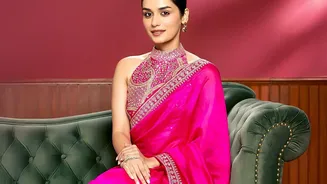
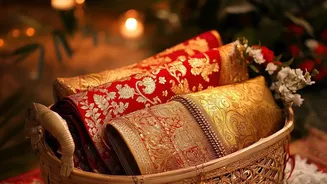
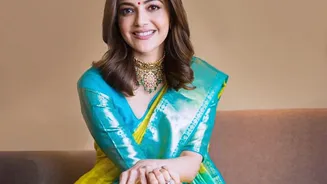
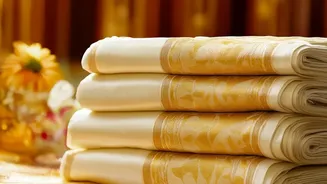
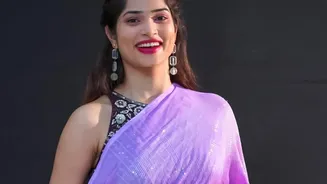
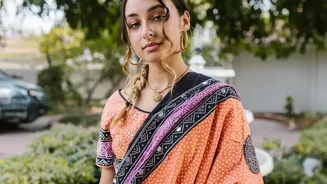
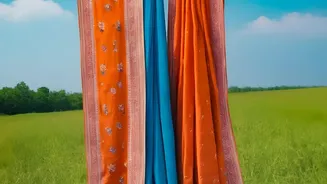
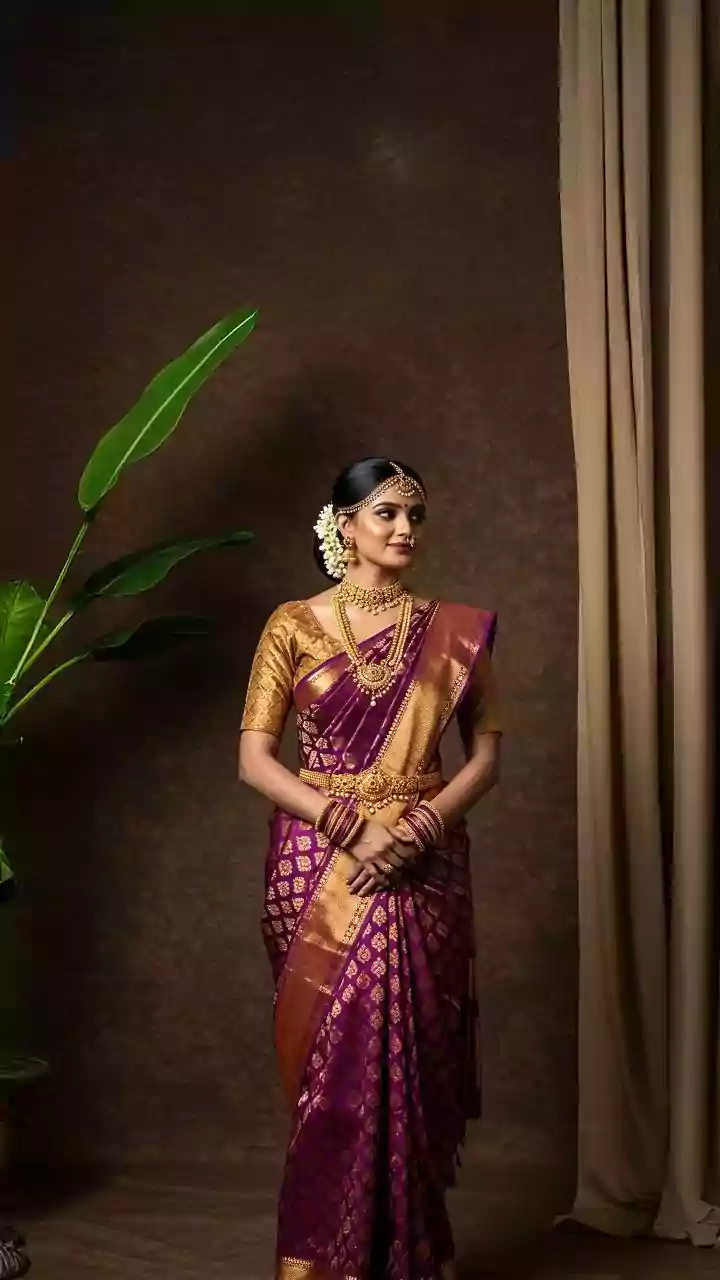
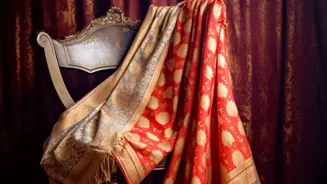
Across India, a quiet revolution is unfolding in the wardrobes of young fashion lovers. They are looking past fast-fashion catalogues and turning towards their own family closets, finding priceless treasures in the form of vintage silk sarees. These shimmering
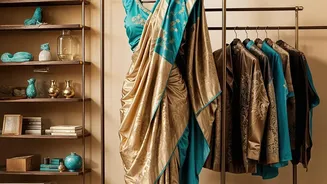
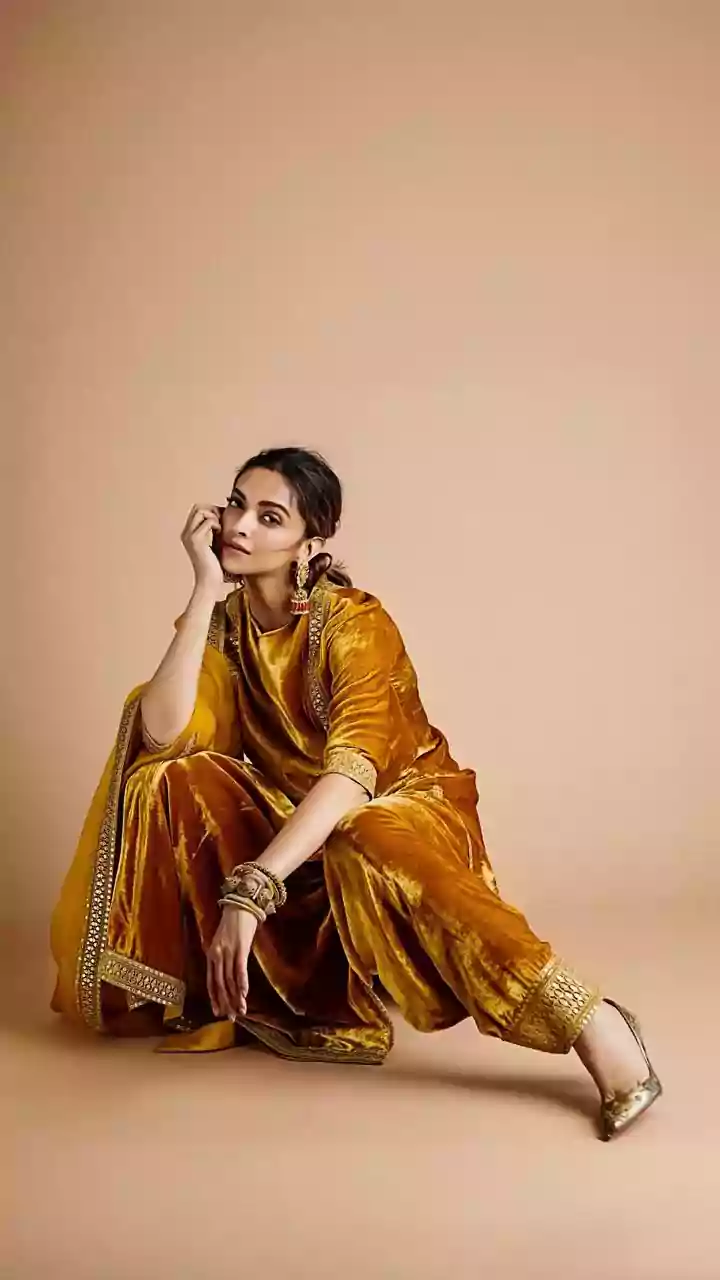
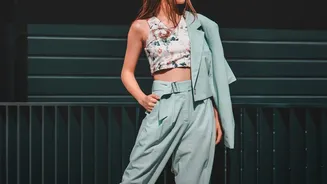
silks—be it a Banarasi, Chanderi, or Paithani—are being meticulously deconstructed and then masterfully reconstructed into contemporary silhouettes. The most popular outcome is the co-ord set: a stylish matching top and bottom. This could be a crop top paired with flowing sharara pants, a structured blouse with a pencil skirt, or a peplum top with tailored trousers, all crafted from the rich fabric of a single saree. The intricate borders and pallu are cleverly repurposed as design elements on necklines, sleeves, or hemlines, ensuring that no part of the cherished textile goes to waste. This trend isn't about destroying an heirloom; it's about giving it a second, more wearable life.
The Sustainable Stitch
At its heart, this movement is a powerful statement against the environmental toll of fast fashion. Gen Z and millennials, increasingly aware of their consumption habits, are championing slow fashion. Upcycling a saree is the epitome of this ethos. It reduces textile waste, which is a significant environmental problem, and sidesteps the resource-intensive process of creating new fabric. By reusing materials that are already in existence, these young consumers are making a conscious choice to minimize their carbon footprint. This practice has deep roots in Indian households, where repurposing clothes has always been a way of life. Today, however, it has been elevated from a household necessity to a chic, aspirational fashion statement, proving that style and sustainability can go hand-in-hand.
A Bridge Between Generations
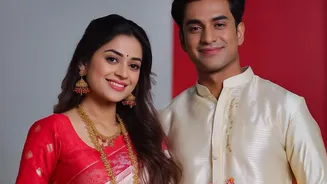
Beyond the aesthetics and environmental benefits, upcycling a family saree is an deeply emotional act. These garments are often hand-me-downs, carrying with them the memories and blessings of mothers and grandmothers. Instead of letting these precious textiles languish in a trunk, worn perhaps once a decade, young people are finding ways to integrate them into their modern lives. A co-ord set made from a mother's wedding saree becomes more than just an outfit; it's a piece of wearable history, a conversation starter, and a tangible connection to one's roots. It allows the story of the saree to continue, evolving with the next generation while preserving the love and legacy woven into its threads. This fusion of old and new beautifully reflects the identity of many young Indians today, who are proud of their heritage but express it on their own terms.
The Modern Co-ord Advantage
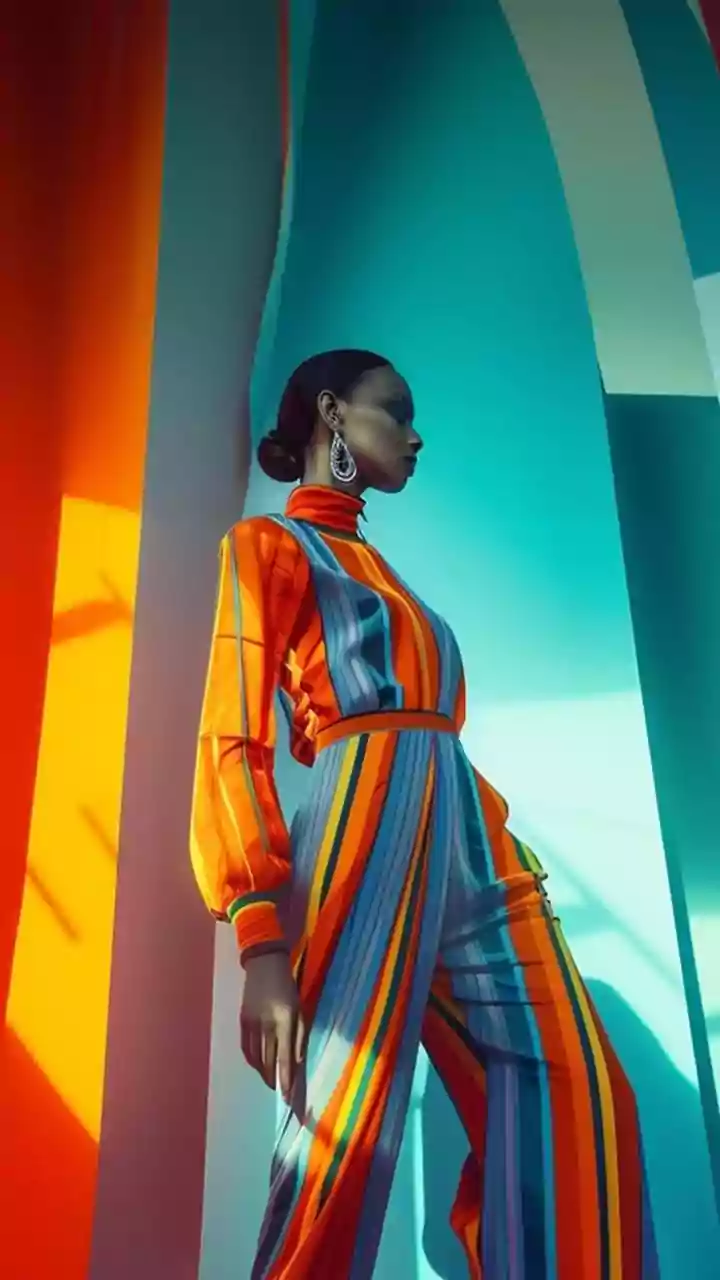
The choice of a co-ord set as the preferred silhouette is no accident. For a generation that values versatility and comfort, the co-ord is the perfect canvas. Unlike a traditional three-piece ethnic suit, a two-piece set feels less ceremonial and more adaptable. The separates can be worn together for a polished, festive look or styled individually for more casual occasions. The top might be paired with jeans, or the skirt with a simple t-shirt, extending the life and utility of the garment far beyond the festive season. This mix-and-match potential aligns perfectly with the modern, boundary-blurring approach to fashion, where a single outfit can be dressed up or down with ease. Designers and boutique labels have also tapped into this trend, offering services to transform old sarees or creating their own upcycled collections for those who want the look without a DIY project.