






From The Server Room To The Kitchen
AIOps, or AI for IT Operations, is the practice of using artificial intelligence to manage and automate complex technology systems. It helps companies monitor performance, predict problems, and streamline workflows without constant human oversight. Think
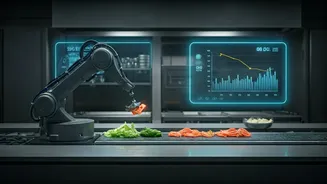
of it as a smart, proactive manager for a company's digital infrastructure. Now, imagine taking that core idea—using data and AI to simplify complex tasks—and applying it to the daily chaos of a household kitchen. The goal is the same: reduce manual effort, prevent issues (like spoiled food or a forgotten ingredient), and make the entire operation run more smoothly. What was once about managing data centres is now about managing dinner.
Meet Your New AI Sous-Chef
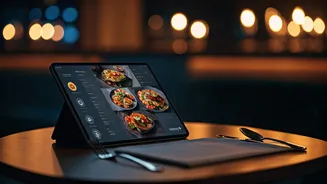
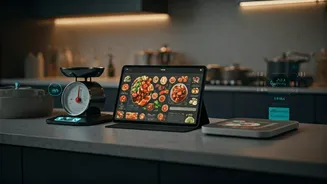
The most visible way AI is entering the kitchen is through a new generation of smart appliances and apps. Refrigerators equipped with internal cameras can identify the food you have, track its freshness, and suggest recipes to use items before they expire. Samsung's Food platform, for instance, uses AI to create personalised meal plans, generate shopping lists, and even send cooking instructions directly to a connected oven. This ecosystem approach, where devices communicate and share data, is a direct parallel to how AIOps works in the corporate world. The kitchen is no longer a collection of separate tools but an interconnected, intelligent system.
The Promise of a Smarter Meal
The benefits of this shift are compelling. For busy families, AI can take the mental load off the eternal question, "What's for dinner?". It can generate weekly meal plans based on dietary needs, preferences, and what's already in the pantry. This leads to significant reductions in food waste, as AI can prompt you to use ingredients you might otherwise forget. It also promises healthier, more varied diets by making it easy to explore new recipes and providing detailed nutritional analysis. Furthermore, by optimising cooking times and appliance usage, these smart systems can even lead to lower energy consumption, saving money on utility bills.
More Than Just Recipes
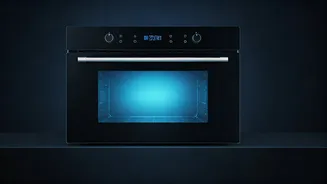
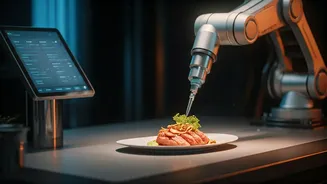
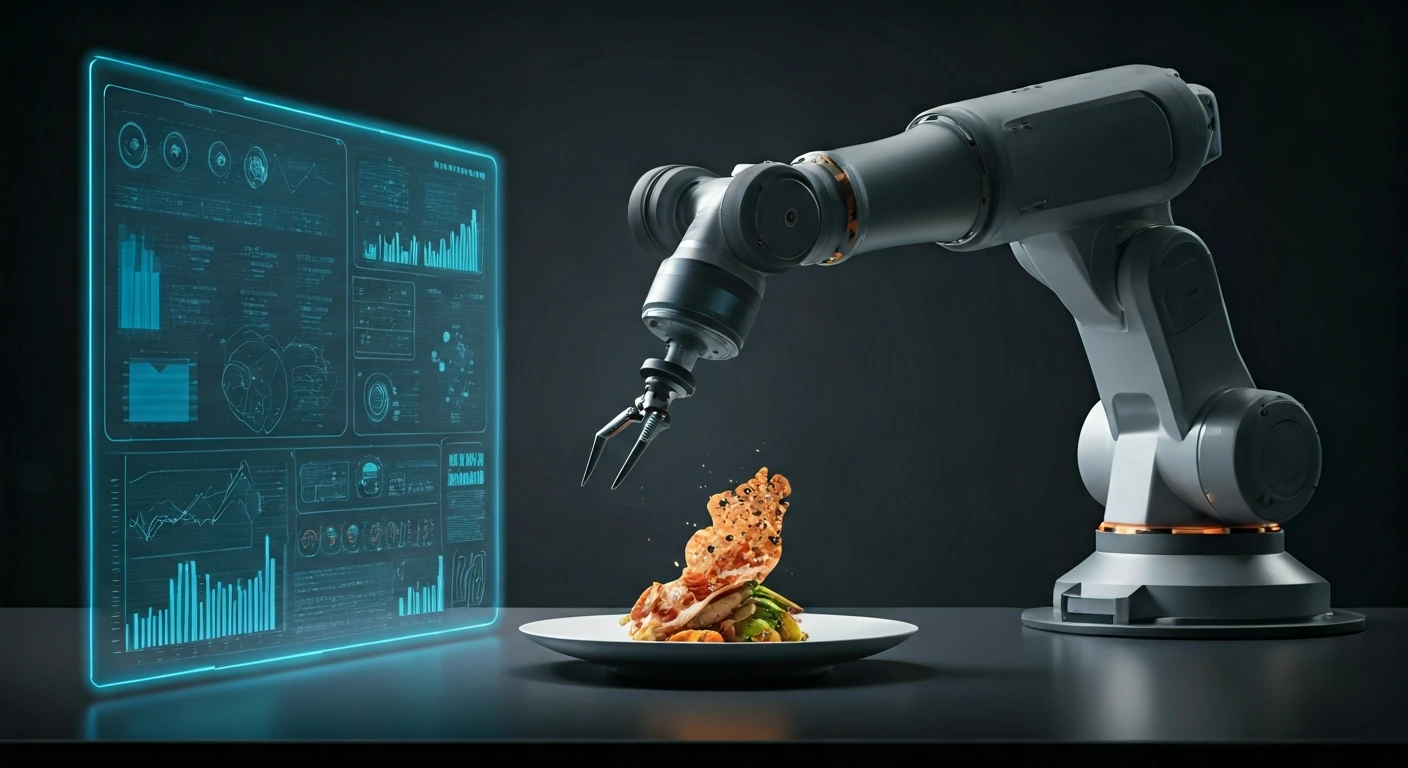
Beyond meal planning, AI is becoming a hands-on cooking assistant. Smart ovens with internal cameras can monitor food as it cooks, automatically adjusting the temperature to ensure perfect results without you needing to open the door. Voice-activated assistants can guide you through a recipe step-by-step, so you don't have to constantly touch a screen with messy hands. Some advanced systems, like the Upliance 2.0 or Thermomix TM7, function as all-in-one cooking robots that can chop, stir, and cook with minimal human intervention. These gadgets aim to make cooking more accessible and consistent, turning even novice cooks into more confident chefs.
Some Food for Thought
Of course, a fully automated kitchen isn't without its challenges. The primary concern for many is data privacy. A smart kitchen knows a lot about you: what you eat, when you eat, and what brands you prefer. Ensuring this data is secure is a major hurdle. There is also the cost of entry, as these advanced appliances are significant investments. Finally, there's the question of reliance. While the convenience is undeniable, there's a risk of losing basic cooking skills and intuition. The key is to see these tools as assistants that support the home cook, rather than replace them entirely.