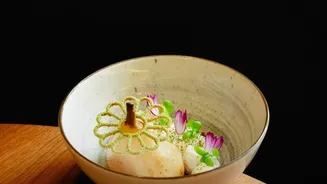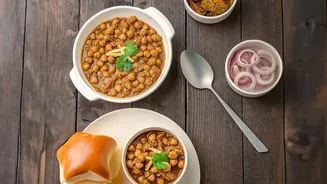






A quiet revolution is simmering in India’s metropolitan hubs. Young diners, weary of generic cafe menus and globalised fast food, are now on a quest for something more authentic, driving a powerful trend towards hyper-local culinary experiences.
Beyond Butter Chicken and Biryani
For years,
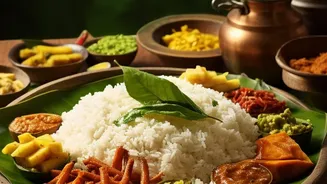
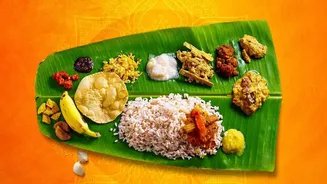
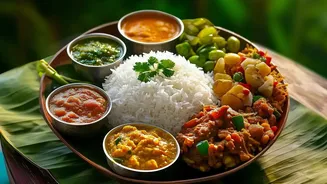
dining out in major Indian cities meant a predictable rotation of North Indian staples, Indo-Chinese favourites, and Western imports. While those dishes remain popular, a significant shift is underway. A new generation of curious food lovers is looking past the familiar to explore the immense diversity of India's regional and sub-regional cuisines. This is not just about choosing a Bengali curry over a Punjabi one; it's about diving deeper into what experts are calling 'micro-cuisines'. This trend champions dishes from specific communities and geographies that rarely make it to mainstream menus, from Nagaland's smoked meats to the forest-inspired foods of Jharkhand and the coconut-rich delicacies of Kerala. It represents a move toward food that tells a story of a place, its climate, and its people.
The Search for Authenticity and Meaning
What is fuelling this change? It's a combination of factors. For many young urbanites, it's a way to reconnect with their heritage. As chefs and home cooks begin to ask what their grandparents cooked, they are unearthing recipes and traditions at risk of being forgotten. There's also a growing appetite for food that feels honest and tied to the land. Modern diners increasingly want context, memory, and meaning on their plates. This movement is about celebrating indigenous ingredients and supporting agricultural biodiversity. Chefs are leading the charge by resurrecting forgotten staples like the grain 'chibbar' and the spice 'bhangjeera', reintroducing unique flavour profiles that have been sidelined by industrial food production.
Chefs as Culinary Storytellers
Across India, a new wave of chefs are acting as culinary archaeologists, bringing these lesser-known dishes to the forefront. Figures like Chef Regi Mathew at Kappa Chakka Kandhari in Chennai and Bengaluru, offer a distinctive take on Keralan cuisine, while Chef Harish Rao of Hosa in Goa has revived cherished recipes from across the southern states. In Mumbai, Chef Niyati Rao's Ekaa takes diners on a journey through India’s regional flavours. These culinary leaders are moving away from imported ingredients and focusing on foraged and locally-sourced produce. Pop-ups and supper clubs have also become crucial platforms, allowing diners to experience everything from a Goan seafood dinner in Prague to the intricacies of Bohri cuisine in Mumbai.
From Niche to Mainstream
What was once a niche interest is now gaining significant traction, thanks in part to social media and increased domestic travel. As Indians explore their own country more, they are developing a taste for authentic local food at its source and seeking those same flavours back in their home cities. Food content creators spotlighting home kitchens and regional specialities have also fuelled this rise, making hyperlocal dishes aspirational for a younger audience. Restaurants are responding, and onceunfamiliar dishes like 'dal baati churma' and 'avial' are now finding their place on urban menus. This trend is not just about nostalgia; it’s an active preservation of India's rich culinary heritage, ensuring it evolves and thrives.