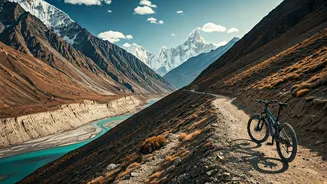









Where the Roads End and Wonder Begins
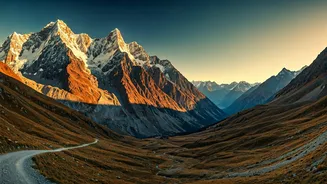
For the average American traveler, the map of Asia might include Tokyo, Bangkok, or maybe the beaches of Thailand. Tawang and Spiti Valley are likely not on it. Tucked into the Indian Himalayas, these regions represent one of travel’s final frontiers.
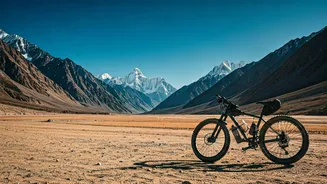
Tawang, in the northeastern state of Arunachal Pradesh, is home to the second-largest Buddhist monastery in the world. Spiti Valley, in Himachal Pradesh, is a high-altitude cold desert often called 'Little Tibet.' Getting to either is an adventure in itself, involving long, winding drives on treacherous roads that are often impassable for months at a time. This difficulty isn’t a drawback; for a new generation of travelers, it’s the entire point. They are destinations defined by what they lack: tourist crowds, five-star resorts, and reliable cell service.
The Appeal of Disconnection
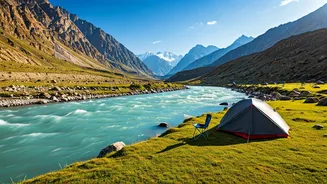
For a generation raised online, the greatest luxury can be the ability to disconnect. The concept of a 'digital detox' is no longer a niche wellness trend but a mainstream survival strategy for Gen Z, a demographic grappling with high rates of burnout and anxiety. In places like Spiti, where Wi-Fi is a rare commodity and cell signals are faint to non-existent, being offline isn't a choice you make—it’s a reality imposed by the landscape. This forced unplugging allows for a different kind of connection: with nature, with the local culture, and with oneself. Instead of scrolling through feeds, travelers find themselves watching the sky change over snow-capped peaks, talking with monks in centuries-old monasteries, or simply sitting in silence. This isn't just a vacation; it's a hard reset for a mentally exhausted mind.
A Search for Something Real
After years of perfectly curated Instagram posts and algorithm-driven experiences, there’s a palpable hunger for authenticity. Tawang and Spiti offer it in spades. The tourism here is not built on commercialized gimmicks. Instead, it’s rooted in homestays, where travelers live with local families, eat traditional meals, and get a firsthand look at a way of life that has remained largely unchanged for centuries. The culture is deeply influenced by Tibetan Buddhism, and its principles of mindfulness, simplicity, and compassion are woven into the fabric of daily life. For young people questioning the consumer-driven values of the Western world, witnessing this provides a powerful new perspective. It’s an antidote to the superficial, an opportunity to engage with experiences that feel genuine, profound, and, above all, real.
Experience Over Everything
This trend also highlights a key shift in Gen Z's travel priorities: valuing experience over comfort and status. A trip to Spiti or Tawang is not about luxury. Accommodations are basic, the food is simple, and the physical demands can be intense due to the high altitude and rugged terrain. But the payoff is immense. It’s about the bragging rights that come from conquering a challenging journey, the personal growth that emerges from stepping far outside one's comfort zone, and the unique stories that can’t be replicated in a resort. This form of 'transformative travel' prioritizes internal change over external indulgence. It’s less about what you can buy and more about what you can become, a philosophy that resonates deeply with a generation eager to find meaning in their adventures.