







What are the New Rules?
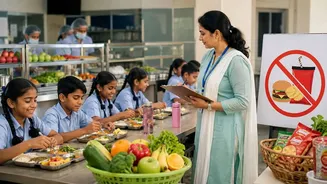
The Karnataka Food Safety and Drug Administration has issued an advisory banning the sale, promotion, and advertisement of foods high in fat, sugar, and salt (HFSS) on school and college campuses. This ban extends to a 50-metre radius around these educational
institutions. The directive, issued in late July 2026, is based on the Food Safety and Standards Act and FSSAI regulations from 2020 aimed at promoting healthier diets for students. This means popular junk foods, highly processed snacks, and sugary drinks will no longer be available in campus canteens or from nearby vendors.
Why This Change, and Why Now?
This move is a direct response to growing concerns about lifestyle diseases like obesity and diabetes among young people. Recent statewide inspections of 134 educational institutions in July revealed that many canteens and nearby food stalls were serving meals heavy in refined carbohydrates, such as white bread and pasta, and other processed snacks. Officials noted these foods can lead to sharp spikes in blood sugar and offer poor nutritional value. The new rules aim to replace these with balanced meals that provide sustained energy and improve students' concentration. Health Minister U.T. Khader stated the goal is to promote long-term nutritional wellness.
What It Means for Students
For students, the most immediate change will be a complete overhaul of canteen menus. Institutions are now encouraged to serve meals rich in cereals, millets, pulses, fresh fruits, and vegetables. While this promises healthier options, it may mean bidding farewell to convenient and beloved snacks. The long-term benefits include better health and improved focus in class. However, students will have fewer choices for a quick bite between lectures, especially from the small shops just outside the college gates that fall within the 50-metre zone. The rules also mandate that institutions must provide free, safe drinking water for students.
The Challenge for Campus Managers
Campus and canteen managers now face the significant task of implementation. The responsibility falls on them to ensure HFSS foods are not sold on their premises. They are also required to install prominent warning signs about the health risks of junk food. Canteen operators must revamp their entire supply chain and menu, which could involve sourcing new ingredients and retraining staff. Furthermore, all food vendors near campuses must have a valid FSSAI license and comply with strict hygiene standards. Failure to comply can result in hefty fines of up to Rs 3 lakh, and the government is even considering not renewing the licenses of non-compliant institutions.
Navigating the Grey Areas
While the intention is clear, some practical questions remain. The Association of Managements of Primary and Secondary Schools of Karnataka has asked for more clarity on what precisely qualifies as 'junk food'. For example, is a vegetable sandwich considered junk food? This ambiguity presents a challenge for enforcement. Health Minister U.T. Khader has acknowledged this, stating that a more detailed list will be provided and that this is just the first phase of implementation. The effectiveness of enforcing the ban on the myriad of small vendors outside campus gates also remains a key concern for administrators.