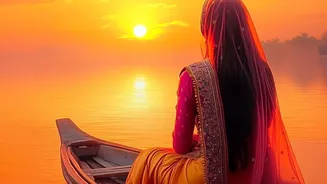




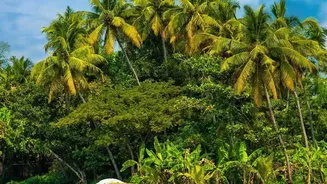
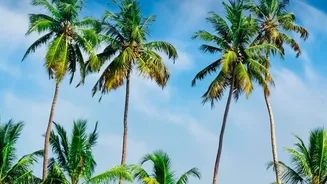
What Makes Munroe Island Different?
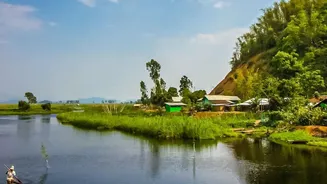
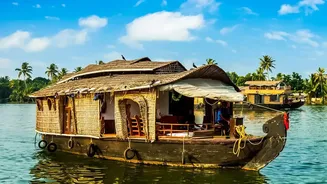
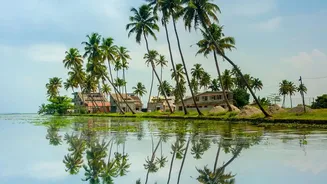
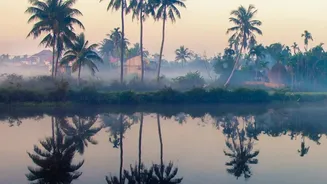
Munroe Island, or Mundrothuruthu, is a cluster of eight small islands at the confluence of the Kallada River and Ashtamudi Lake in Kollam district. Unlike the bustling, commercialised waterways of Alleppey, Munroe is defined by its maze of narrow, peaceful
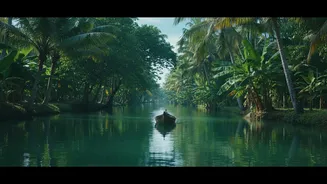
canals. Here, the primary mode of exploration is not the large houseboat but the small, silent country canoe, poled by a local guide. This allows visitors to glide under low-slung bridges and through natural mangrove arches, accessing parts of the backwaters that larger boats simply cannot reach. The result is a much more serene and immersive experience, where the sounds of village life and nature replace the hum of tourist traffic. It has become a popular offbeat choice for travellers seeking a more laid-back and authentic Keralan backwater adventure.
The Heart of the Experience: Local Homestays
The soul of a visit to Munroe Island lies in its homestays. Over 95 percent of tourist accommodations here are homestays, meaning tourism revenue flows directly into the hands of local families. Choosing a homestay is about more than just finding a place to sleep; it is an invitation into a local home. Guests often share meals with their host families, enjoying delicious, traditional Keralan food cooked with fresh, local ingredients. This setup fosters genuine connection and provides a firsthand look into the island's culture and way of life. Accommodations can range from simple, clean rooms to more equipped riverside properties, but all share a common thread of warm, personal hospitality that stands in stark contrast to impersonal hotels.
A Day on the Island: Canoes, Canals, and Calm
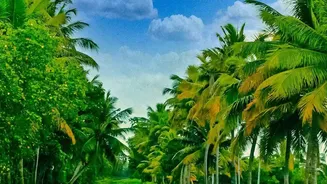
The quintessential Munroe Island activity is a canoe tour, especially during the tranquil hours of sunrise or sunset. A local guide navigates the winding canals, pointing out kingfishers, herons, and other birdlife. Beyond the canoe, life unfolds at a gentle pace. Visitors can watch villagers engage in traditional activities like coir (coconut fibre) making, toddy tapping, and fishing. Exploring the island by bicycle is another popular way to see the lush spice plantations, coconut groves, and small-scale farms. Many homestays can also arrange for guests to try their hand at fishing in the Kallada River or Ashtamudi Lake, which are rich with local fish species. The experience is about slowing down and observing the authentic rhythm of a Keralan village.
Sustainable Tourism in a Fragile Paradise
Tourism on Munroe Island is deeply connected to its delicate ecosystem. The island faces environmental challenges, with some areas experiencing subsidence and increased flooding, issues linked to climate change and past events like the 2004 tsunami. In response, the community has largely embraced a model of sustainable and eco-friendly tourism. The preference for non-motorised canoes, the dominance of homestays, and integrated farming practices like Silvofisheries (combining mangrove conservation with aquaculture) demonstrate a conscious effort to preserve the island's natural beauty. As a visitor, choosing to stay here supports a community that is actively working to protect its environment and livelihood.
Planning Your Serene Escape
Reaching Munroe Island is relatively straightforward. The island has its own railway station, Munroturuttu (MNR), with connections from major Keralan cities like Kollam, Trivandrum, and Kochi. The nearest major transport hub is Kollam, about 25 kilometres away, from where you can take a local train or a taxi. The best time to visit is from October to March, when the weather is pleasant and ideal for backwater exploration. When packing, think light and practical. Bring cash for small local purchases, a reusable water bottle to minimise plastic waste, and be prepared for a simpler, more grounded travel experience.