





From Royal Reserve to Protected Sanctuary
Before it was declared a sanctuary in February 1979, the Barda Hills served as a private hunting ground for the former princely states of Porbandar and Jamnagar. Historically, the area was divided into 'Rana Barda' under the rulers of Porbandar and 'Jam
Barda' under the Jamsaheb of Jamnagar. This legacy is still visible in the local culture, with ethnic communities like the Maldharis, Rabaris, and Gadhvis inhabiting the surrounding region. The decision to protect its 192.31 square kilometres was driven by the need to conserve its unique ecosystem and abundant floral diversity.
The Lay of the Land: Hills, Rivers, and Forests
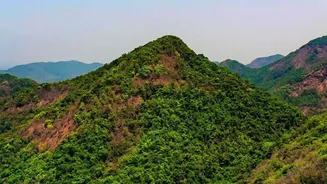
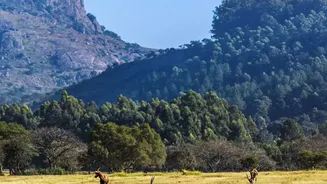
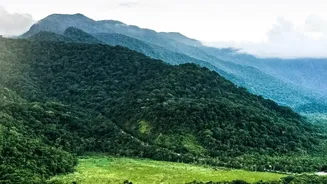
Barda's terrain is predominantly hilly and undulating, with altitudes ranging from about 80 to over 600 metres. This rugged landscape acts as a natural barrier against salinity ingress from the nearby Arabian Sea, protecting the region's agricultural lands. The sanctuary is sustained by two main rivers, the Bileshvary and the Joghri, and features important reservoirs like the Khambala and Fodara dams that help manage the water regime. Its forest cover is a rich mosaic, including southern tropical forests, southern dry mixed deciduous forests, and northern tropical thorn forests, creating a variety of habitats within a relatively small area.
A Botanical Treasure Trove
The sanctuary is exceptionally rich in plant life, with studies documenting approximately 650 to 700 different species, making it one of the most florally diverse areas in Gujarat. The forests feature a mix of trees like Babul, Jamun, and Gorad, as well as dry bamboo brakes. Beyond its sheer diversity, Barda is a vital conservation zone for a high percentage of rare and endangered medicinal plants, a natural pharmacy that has been studied for decades. This lush vegetation is the foundation of the sanctuary's entire ecosystem, providing food and shelter for its varied fauna.
A Kingdom of Diverse Fauna
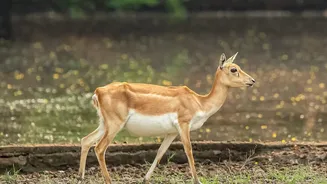
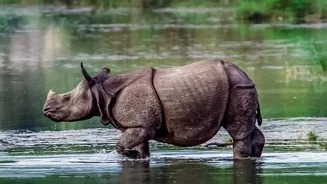
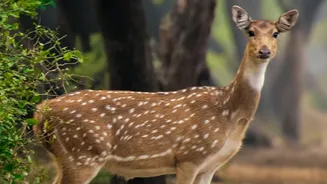
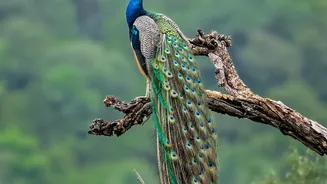
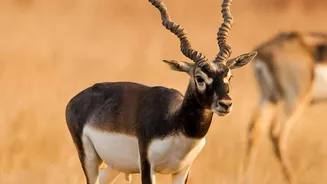
Barda is home to a wide range of animal life. Predators like the leopard, striped hyena, and wolf roam the hills. The prey base includes herbivores such as the blue bull (nilgai) and chinkara. While species like sambar and chital (spotted deer) were historically present, their populations have been bolstered by reintroduction efforts to support the carnivores. The sanctuary is also a paradise for birdwatchers, with resident and migratory species including the crested serpent eagle and various owls. Its diverse habitats support a complete food chain, from small mammals and reptiles to the apex predators that keep the ecosystem in balance.
The Return of the Lion
Perhaps the most significant recent development is Barda's designation as a second home for the Asiatic lion. Lions historically inhabited these hills but were last recorded there in 1879. After a natural dispersal led a male lion from Gir to Barda in 2023, the Gujarat Forest Department introduced several females to establish a new, permanent population. This move is a critical conservation strategy, creating a vital satellite population outside the Gir landscape to protect the species from threats like disease or habitat loss. As of 2025, the sanctuary was home to a growing population, including several cubs, marking a historic return after nearly 144 years.