



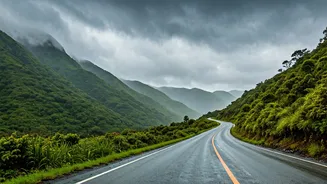


The Monsoon's Coastal Impact
The Southwest Monsoon, which arrived in Kerala around June 4, 2026, transforms the state into a lush, green paradise. While waterfalls roar to life and backwaters teem with fresh energy, the coastline tells a different story. Heavy rainfall, strong winds
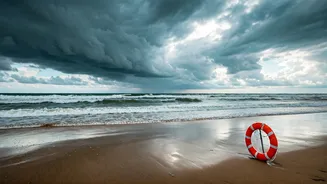
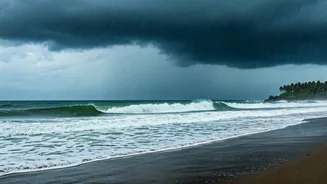
gusting up to 50-60 kmph, and rough sea conditions become the norm. The India Meteorological Department (IMD) frequently issues warnings for fishermen and coastal communities, advising them to exercise extreme caution. For tourists, this means that idyllic, calm beaches can quickly become hazardous zones where swimming and even wading are strongly discouraged for safety reasons.
High Tides and Hidden Dangers
A critical factor often overlooked by visitors is the tide. During the monsoon, especially around the new and full moon, spring tides can cause significant tidal flooding. This phenomenon, where high tides push seawater far inland, has become so severe that Kerala recently declared 'coastal high-tide flooding' a state-specific disaster. In low-lying coastal areas like those in Alappuzha and Ernakulam, seawater can surge into residential areas, canals, and backwaters, causing widespread disruption. For a beachgoer, this means the beach you planned to sunbathe on might be completely submerged or inaccessible. It also exacerbates coastal erosion, making cliffs and shorelines unstable.
Popular Beaches on High Alert
Many of Kerala's most famous beaches are significantly impacted during the monsoon. While places like Kovalam, Varkala, and Marari are often highlighted as beautiful monsoon destinations, the reality on the ground can be different. Swimming is often prohibited during rough conditions. Varkala's stunning cliffs can be subject to erosion, and the beach below may shrink dramatically at high tide. At Marari Beach, a popular spot in the Alappuzha district, authorities often restrict access to the water due to safety concerns during the monsoon. Tourists arriving with the expectation of a swim are often disappointed, highlighting the need to check local conditions daily.
Smarter Coastal Choices
While many open beaches pose risks, some coastal areas offer safer alternatives. Beaches protected by sea walls or those with naturally calmer waters, such as some parts of Kovalam's crescent beaches or Cherai beach, might offer a safer viewing experience. Poovar Beach, where the Neyyar River meets the sea, creates a unique and magical estuary landscape during the monsoon, though it's accessible only by boat. The key is to prioritize watching the dramatic waves from a safe distance rather than entering the water. Bekal Beach, with its impressive fort, provides a stunning backdrop to witness the power of the monsoon-swept sea without taking unnecessary risks. Always heed the advice of local authorities and lifeguards.
When to Embrace Inland Beauty
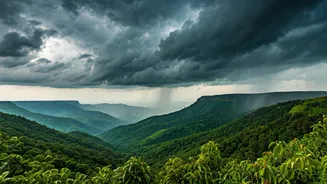
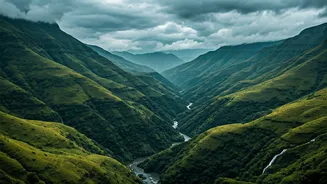
The smartest way to enjoy a monsoon trip to Kerala is to embrace its inland treasures. This season is when the Western Ghats truly come alive. Places like Munnar, with its mist-covered tea plantations, and Wayanad, with its dense forests and spectacular waterfalls, are at their most beautiful. The waterfalls, such as Athirappilly, are in full, roaring force. The backwaters of Alleppey and Kumarakom offer a serene experience, where you can enjoy the rain from the comfort of a houseboat. This is also considered the best season for traditional Ayurvedic treatments, as the humid climate is believed to enhance the body's ability to absorb the therapies.
Essential Safety and Planning Tips
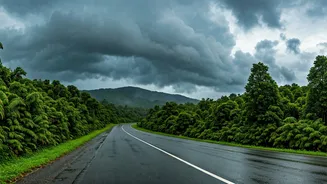
To ensure a safe and enjoyable trip, a few checks are non-negotiable. First, always monitor the daily forecasts from the IMD and pay attention to any red, orange, or yellow alerts issued for your destination district. Second, pack waterproof gear, including good non-slip footwear. Third, if you plan to visit coastal areas, specifically check tide timings and local warnings about high waves. Many tourism and forest department authorities may restrict access to trekking routes and waterfalls during heavy rain alerts, so verify accessibility before you go. Avoid driving in hilly areas at night and be cautious on wet, slippery roads.