


Why Mumbai Is So Vulnerable
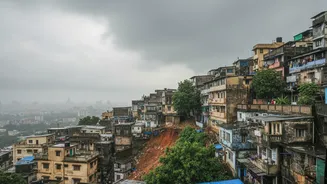
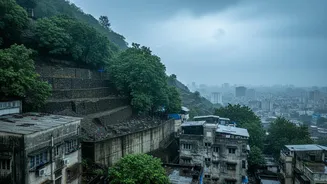
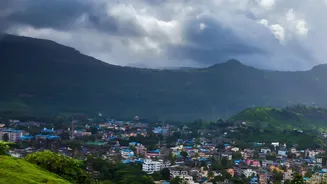
Mumbai’s unique geography is a core part of its landslide problem. The city isn't just a flat coastal plain; it's dotted with hills and slopes, many of which are now densely populated. When the iconic heavy monsoon rains arrive, they saturate the soil
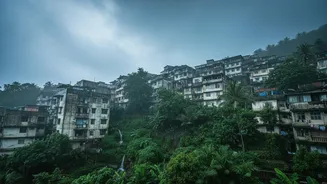
and rock. This alone increases the risk, but human factors turn that risk into a recurring threat. Unregulated construction, the cutting of slopes to build homes, deforestation, and blocked drainage channels all destabilise the natural terrain. Experts point out that this combination of intense rainfall, altered slopes, and dense settlements, often informal, creates a perfect storm for landslides. In many cases, the very base of a hill that supports the earth above it has been weakened or removed for development, making a collapse almost inevitable during a downpour.
Warning Signs You Must Not Ignore
A landslide rarely happens without giving some clues. Being vigilant about changes in your immediate environment is the first line of defence. Keep an eye out for new cracks appearing in plaster, tile, brick, or foundations. If doors or windows in your home begin to stick or jam for the first time, it could indicate shifting ground. Outside, look for tilting trees, fences, or utility poles. The ground itself might show unusual bulges or slowly widening cracks. Another critical sign is water breaking through the ground in new locations or a sudden change in creek water levels. Finally, listen for unusual sounds. A faint rumbling that grows louder, or the sound of trees cracking and boulders knocking together, are urgent danger signals. If you notice these signs, especially in combination during heavy rain, it is time to act.
High-Risk Zones Across the City
While the risk exists on many inclines, authorities like the Brihanmumbai Municipal Corporation (BMC) have identified specific areas with higher vulnerability. According to official data, there are over 200 landslide-prone locations in the city. A large proportion of these are concentrated in the eastern suburbs. Areas like Ghatkopar, Kurla, Vikhroli, Bhandup, and Chembur are frequently highlighted as having a high number of vulnerable settlements. The Vikhroli-Bhandup belt, in particular, has been noted for having the highest density of at-risk sites. These are often places where informal settlements, or slums, have developed along the slopes or at the foothills of hilly areas, including near the Sanjay Gandhi National Park and Malabar Hill. Living in or near these identified zones requires heightened awareness throughout the monsoon season.
What To Do Before a Landslide
Preparation is your most powerful tool. Before the monsoon fully sets in, assess your property. If possible, consult an expert to evaluate the stability of the land. Avoid dumping waste or blocking drainage paths, as this can divert water and destabilise slopes. Planting groundcover on slopes can help prevent soil erosion. Prepare a family emergency kit with essentials like water, non-perishable food, a first-aid kit, torches, and important documents in a waterproof bag. Discuss an evacuation plan with your family. Know the safest route to a designated high-ground area or a shelter. The BMC often issues warnings to residents in high-risk zones; take these notices seriously and consider moving to a safer, temporary location if advised.
Immediate Steps During a Landslide
If you are caught near a landslide, your immediate actions can be life-saving. If you are inside a building, stay there and get under a sturdy piece of furniture like a desk or table, protecting your head. Do not run outside, where you could be struck by flying debris. If you are outdoors, move away from the path of the landslide as quickly as possible. Run to the nearest high ground and away from the slope. Do not try to cross the slide path. If escape is not possible, curl into a tight ball and use your hands and arms to protect your head and neck. If you are in a vehicle, stay inside if the vehicle is stable. If not, abandon it and move to higher ground.
Staying Safe After the Event
The danger is not over once the initial slide has stopped. Stay away from the slide area, as there is a serious risk of secondary landslides. Listen to authorities for official information and instructions. Check for injured or trapped persons, but do not move anyone with serious injuries unless they are in immediate danger of further harm; call for emergency services instead. Be aware of other potential hazards, such as downed power lines, broken gas lines, or damaged roadways, and report them to the authorities immediately. Flooding may also occur after a landslide, so remain cautious and avoid low-lying areas. Do not return to your home until it has been inspected and declared safe by officials.