




Puri Rath Yatra, Odisha
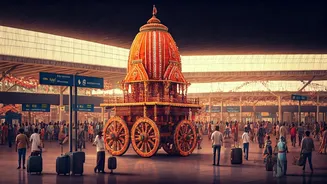
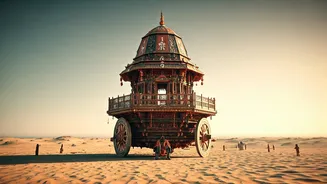
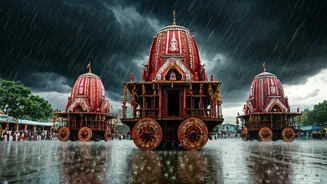
Arguably India’s most monumental festival, the Rath Yatra in Puri is a spectacle of devotion on a jaw-dropping scale. The main event, scheduled for July 16, 2026, sees the deities Lord Jagannath, his brother Balabhadra, and sister Subhadra journey from
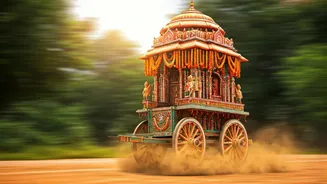
their home temple to the Gundicha Temple, their aunt's residence, on three colossal, newly-built wooden chariots. This is the one time of year the deities leave the temple, offering a chance for everyone, regardless of background, to see them. The main procession on the Bada Danda (Grand Road) draws millions of devotees who pull the chariots' thick ropes, believing the act to be deeply auspicious. The entire festival spans over a week, with the return journey, known as Bahuda Yatra, taking place on July 24. It’s an overwhelming, powerful, and unforgettable experience of faith in motion.
Dree Festival, Arunachal Pradesh
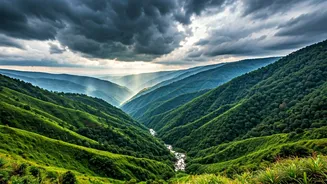
Deep in the lush, green Ziro Valley, the Apatani community celebrates Dree, one of the most important agricultural festivals in the Northeast. Fixed annually on July 5, Dree is a collective prayer for a bountiful harvest and protection from pests and famine. The Apatani people, known for their unique sustainable farming of rice and fish together in terraced paddies, offer sacrifices and perform rituals to appease the gods who protect their crops. The atmosphere is one of community and gratitude, filled with traditional songs, the vibrant Daminda dance, and the distribution of cucumber, a symbol of a healthy crop. It’s a fascinating window into a culture deeply intertwined with the rhythms of the land.
Behdienkhlam Festival, Meghalaya
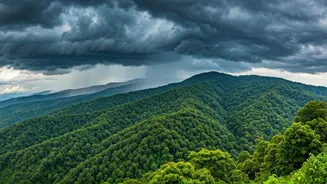
Celebrated by the Pnar tribe in Jowai, Meghalaya, Behdienkhlam is a vibrant and energetic festival to drive away plague and sickness. The name itself translates to “chasing away the demon of cholera.” Timed after the sowing season, this year from July 11 to 14, it's a four-day ritual of cleansing and seeking blessings for a good harvest. Young men go from house to house, beating the roofs with bamboo poles to symbolically drive away evil spirits. The festival culminates in a unique spectacle at a sacred pool, where towering, decorated bamboo structures called 'rots' are immersed. This is followed by a game that resembles football, played with a wooden ball, where the winning side is said to be blessed with a more bountiful harvest. It’s a powerful, rain-soaked celebration of community resilience.
Njangattiri Aanayoottu, Kerala
If you are a fan of elephants, this one's for you. Held at the Njangattiri Bhagavathy Temple in Palakkad, Aanayoottu is a unique festival dedicated entirely to feeding elephants. Taking place on July 17, this ceremony is rooted in the belief that feeding elephants—considered living embodiments of Lord Ganesha—brings prosperity and removes obstacles. During the Karkidakam month, a time for rejuvenation in Ayurveda, dozens of elephants are lined up and fed a special, nutritious and medicated feast of rice, jaggery, and fruits. It's not a boisterous parade, but a gentle and heartwarming ritual focused on the well-being of these revered animals, drawing crowds of devotees who come to participate in the feeding.
Kharchi Puja, Tripura
For a truly distinct cultural immersion, head to Agartala for Kharchi Puja. This week-long festival, beginning on July 22, 2026, revolves around the worship of the Chaturdasha Devata, the 14 ancestral deities of the Tripuri royal dynasty. The festival begins with the ceremonial bathing of the deities in the Saidra river, a ritual that symbolizes the cleansing of the Earth. For seven days, the temple premises come alive with rituals, cultural performances, and a massive fair that attracts thousands from across the state and beyond. It’s a beautiful blend of tribal and Hindu traditions, offering a glimpse into the unique spiritual heritage of Tripura.