

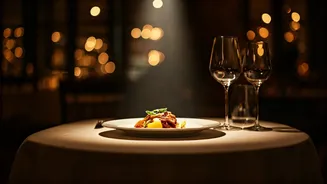


Beyond the Taste Buds
For decades, the pinnacle of dining was defined by exquisite ingredients and flawless technique. But today, a dramatic shift is underway. Chefs and restaurateurs are looking beyond the plate to create all-encompassing experiences. This new approach, often
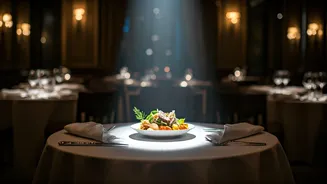
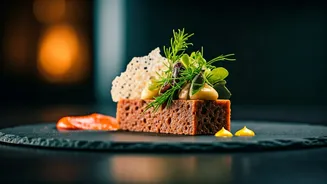
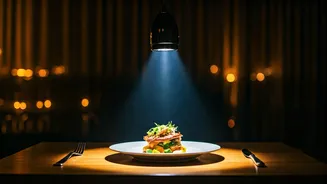
called multisensory or immersive dining, considers every element of the environment—from sound and light to scent and texture—as a crucial part of the meal itself. The goal is to turn a passive dinner into an active, memorable event that stimulates not just the palate, but the mind and emotions as well. This trend is driven by a growing understanding of 'neurogastronomy', the science of how our brain constructs flavour from the inputs of all our senses. As research from institutions like Oxford University shows, elements like the colour of a plate, the weight of cutlery, and background music can fundamentally change how we perceive taste.
A Symphony for the Senses
So, what does a sensory meal look like? At pioneering restaurants like Alchemist in Copenhagen or Ultraviolet in Shanghai, it’s a full-blown production. Diners might find themselves sitting at a communal table where the surrounding walls are projection-mapped with scenes that change with each course—transporting them from a forest floor for a mushroom dish to the bottom of the ocean for seafood. Soundscapes are carefully curated, with specific music or ambient noise designed to enhance certain flavours; lower-pitched sounds, for instance, can bring out bitter notes. Scent diffusers release aromas that evoke memory and emotion, preparing the diner for the dish to come. Even temperature and touch are part of the performance, with some experiences taking place in complete darkness to heighten the other senses. This is food as theatre, where every detail is choreographed to tell a story.
The Return of the Social Meal
Alongside this sensory explosion, fine dining is also rediscovering its social roots. The hushed, formal dining rooms of the past are giving way to spaces that foster connection and interaction. This trend is a response to a growing desire, especially among younger diners, for experiences that feel less transactional and more like a genuine social event. Many new concepts are built around communal tables, encouraging conversation not just with one's own party but with fellow guests. The line between the kitchen and the dining room is also blurring. Chefs are coming out to present dishes, share stories, and participate in the meal, making the experience more personal and intimate. Some formats even invite guests to take part in small, familiar gestures, like selecting a record for a turntable or helping to make coffee, creating a sense of shared participation.
Why Now? The Drivers of Change
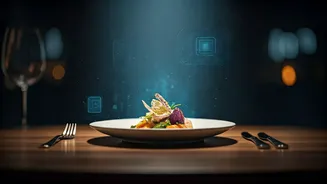
Several factors are fuelling this evolution. After years of digital saturation and periods of isolation, consumers are craving real-life, spectacular experiences worth leaving home for. As dining out becomes more of a considered expense, people want more than just a meal; they want a memory. Social media also plays a huge role. Platforms like Instagram and TikTok have trained a generation to 'eat with their eyes' first, pushing restaurants to create visually stunning, shareable moments that go beyond just the food. Furthermore, technology has made these elaborate productions possible. Advanced projection mapping, programmable LED lighting, and sophisticated sound systems are now tools in the modern chef's arsenal, allowing for a level of immersion that was previously unimaginable.