
The Search for Purity and Health
One of the biggest drivers of this shift is a growing concern over health and food safety. Mass-produced sweets and snacks, especially during the festive rush, have become notorious for using lower-quality ingredients to cut costs. Many consumers are
wary of adulterants like starch mixed in khoya (milk solids), vegetable fats in place of pure ghee, and harmful artificial colours. Health experts frequently caution against the high levels of sugar, salt, and unhealthy trans fats found in many commercial treats, which can contribute to health issues like high blood pressure and diabetes. A single piece of store-bought gulab jamun can contain around 150 calories, with snacks like samosas packing up to 300. In contrast, homemade preparations offer complete control over ingredients, allowing people to use better quality oils, reduce sugar, or opt for healthier sweeteners like jaggery.
A Craving for Authentic Flavours
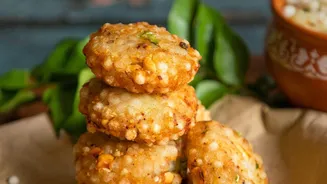
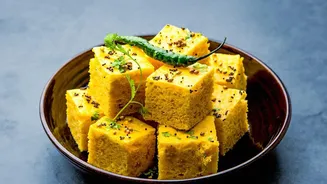
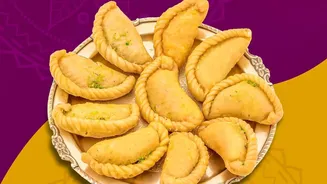
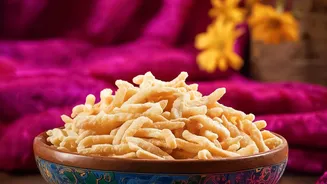
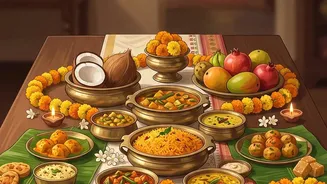
Beyond health, there's a powerful craving for authenticity that mass-produced options often fail to satisfy. The taste of a homemade 'chakli' or 'karanji' is not just about the ingredients; it’s an 'edible history' steeped in family tradition. These recipes are often passed down through generations, each with a unique touch that makes them special. Many urban dwellers fondly remember the aromas of ghee, roasting flour, and spices that filled their childhood homes before Diwali. This nostalgic connection to the past and to regional culinary identities—be it Maharashtra's 'Poha Chiwda' or Gujarat's 'Farsi Poori'—is a powerful force. Packaged snacks, designed for a long shelf life and uniform taste, simply cannot replicate the depth and love infused into these traditional preparations.
The Rise of the Homepreneur
For many time-strapped urban professionals, making 'faral' (an assortment of Diwali snacks) from scratch isn't feasible. This is where a new wave of home chefs and small businesses has stepped in. Capitalising on social media platforms like Instagram and WhatsApp, these 'homepreneurs' are bridging the gap between convenience and authenticity. They offer handmade, traditional snacks based on cherished family recipes, delivering a taste of home to customers' doorsteps. In cities like Pune, home chefs report being flooded with pre-orders for thousands of kilograms of snacks, indicating a robust demand. This allows people to enjoy high-quality, trustworthy festive treats without spending hours in the kitchen themselves.
Customisation and Mindful Gifting
The trend also extends to gifting. The generic box of assorted sweets is giving way to more thoughtful, personalized options. Homemade snacks allow for customization, catering to specific dietary needs like low-sugar, gluten-free, or nut-free requirements. This personal touch is increasingly valued in festive exchanges. Gifting a platter of carefully prepared homemade delicacies is seen as a warmer, more meaningful gesture than a store-bought box. This shift is part of a broader trend towards artisanal, handcrafted, and eco-conscious gifting that prioritizes quality and personal connection over mass-market convenience.