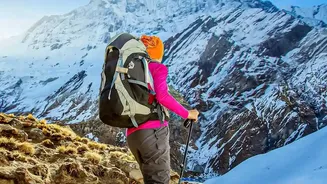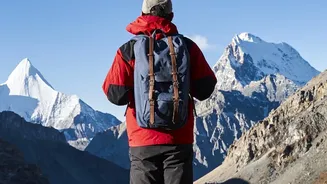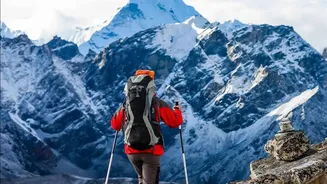

Choose Your Weekend Wisely
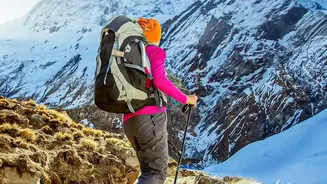
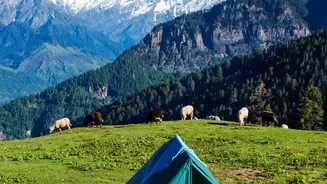
Not all treks are created equal, especially when you only have a few days. For a long weekend, select a trail that is both accessible and has a manageable altitude gain. Treks like Nag Tibba, Deoria Tal, and Chopta-Tungnath are popular choices because
they offer stunning Himalayan views without requiring extensive acclimatisation time. Nag Tibba, reaching about 9,915 feet, is often considered an ideal beginner's weekend trek. Research the trail's difficulty, starting point accessibility, and the total trekking time to ensure it fits comfortably within your 2-3 day window. Rushing a high-altitude trek is a recipe for trouble.
Master the Acclimatisation Game
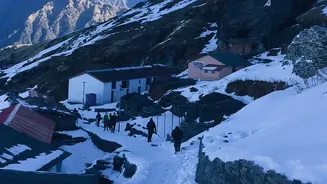
The single most important rule for high-altitude safety is proper acclimatisation. Since a long weekend affords little time, the key is gradual ascent. The principle of 'climb high, sleep low' is your best friend. If possible, arrive at your base town (like Sari for Deoria Tal) a day early. On your trek, maintain a slow, steady pace. A safe guideline above 8,200 feet is to limit the increase in your sleeping altitude to no more than 1,000 to 1,600 feet per night. Listen to your body; if you feel unwell, do not ascend further.
Know Your AMS Early Warning Signs
Acute Mountain Sickness (AMS) can affect anyone, regardless of age or fitness level. It feels like a bad hangover, with headache being the most common symptom, often accompanied by nausea, dizziness, fatigue, and loss of appetite. Recognising these signs early is crucial. If you experience mild symptoms, do not go any higher. Rest, hydrate, and if they don't improve or worsen, the only cure is to descend to a lower altitude immediately. Ignoring AMS can lead to life-threatening conditions like HAPE (High-Altitude Pulmonary Edema) or HACE (High-Altitude Cerebral Edema).
Pack Smart, Not Heavy
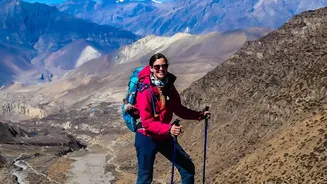
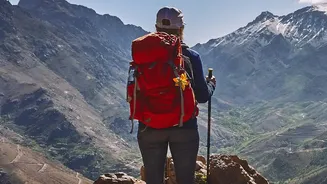
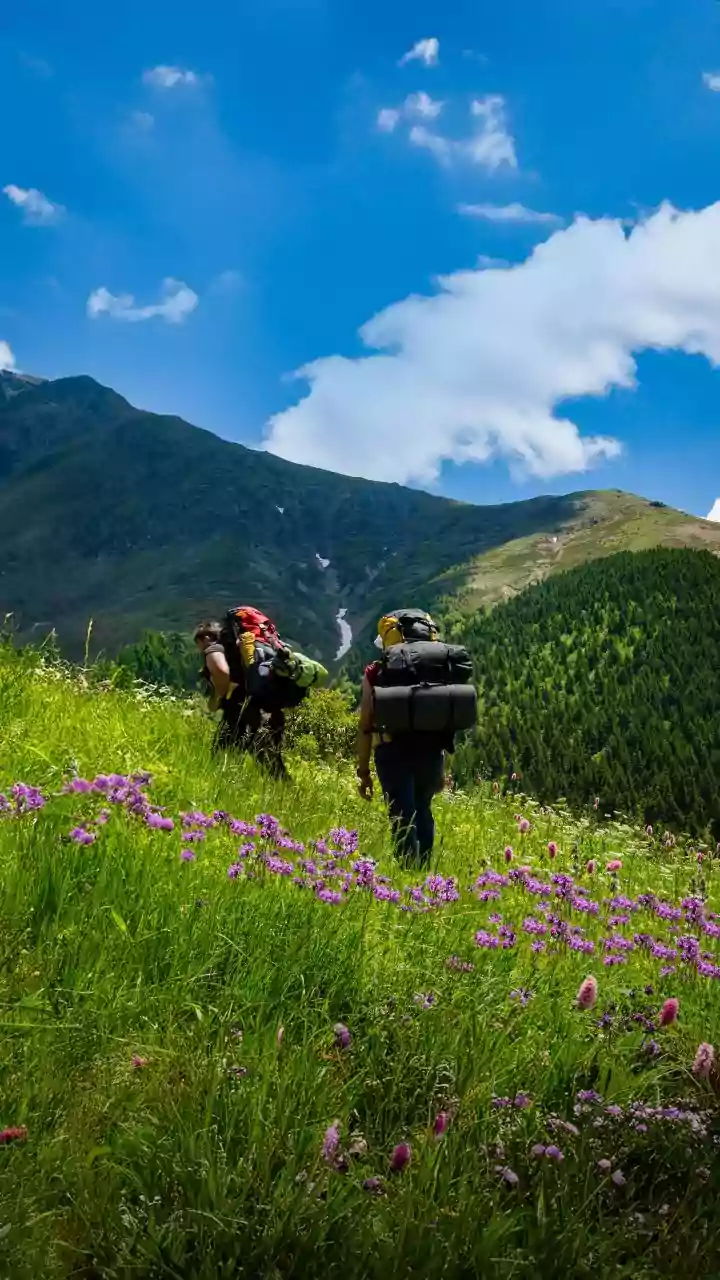
For a weekend trek, a 40-50 litre backpack is sufficient. Layering is key for changing mountain weather. Opt for quick-dry t-shirts, a fleece jacket for insulation, and a waterproof outer shell. Never wear denim. Invest in sturdy, waterproof trekking shoes with good ankle support—and break them in before your trip. Your pack must include a first-aid kit with basics for cuts, blisters, and pain relief, along with any personal medications and tablets for altitude sickness like Acetazolamide, after consulting a doctor. A headlamp is non-negotiable as it gets dark early in the mountains.
Hydrate and Fuel Correctly
Dehydration can mimic and worsen the symptoms of AMS. Aim to drink 3-4 litres of water daily. Keep your water bottle handy and sip regularly, even if you don't feel thirsty. Avoid alcohol and smoking as they severely hinder the acclimatisation process. On the trail, your body needs energy. Focus on a carbohydrate-rich diet. Pack high-energy snacks like nuts, trail mix, and energy bars for a quick fuel boost between meals.
Your Phone is a Tool, Not Just a Camera
While you should enjoy being disconnected, your phone is a vital safety tool. Before you lose network, download offline maps of your route. Carry a fully charged power bank. Share your detailed itinerary with a friend or family member before you leave. Also, save the numbers for local emergency services, your guide, and your hotel in a notebook in case your phone battery dies. In remote areas, a simple whistle can be a lifesaver for attracting attention if you get separated from your group.