
What is Slow Decorating?
At its heart, slow decorating is a mindful and intentional approach to creating your living space. It’s the direct opposite of the pressure to have a perfectly finished, catalogue-ready home the moment you move in. Inspired by the 'slow food' and 'slow fashion'
movements, this philosophy prioritises quality over quantity, longevity over trends, and personal stories over mass-produced perfection. Instead of filling rooms with impulse buys, slow decorating encourages a gradual, organic process. It’s about curating a collection of furniture and objects over time that you truly love, that serve a purpose, and that tell the story of who you are and where you’ve been. This creates a layered, deeply personal environment that can't be replicated overnight because it evolves with you.
The First Step: Just Live and Observe
The core of the 2026 slow-decorating trend is right in its description: learning how a space is actually used. Before buying a single new item, the most crucial step is to simply live in your home and pay attention. Where does the morning light hit? Which corner naturally becomes a dumping ground for keys and bags? Where do guests always seem to congregate? Which chair does everyone fight over for reading? Don't rush to 'fix' these patterns. Instead, observe them. These daily habits and rhythms reveal your home’s true needs. This observation period helps you avoid common mistakes like buying a beautiful sofa that no one finds comfortable or placing a desk in a spot with terrible lighting. Your real life, not a design magazine, should be your guide.
Functionality Before Fleeting Fashion
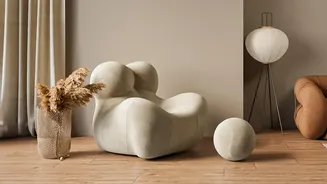
Fast-paced decorating often prioritises aesthetics over practicality, leading to spaces that look good but don't function well. Slow decorating flips this script. By understanding how you use a room, you can make choices that enhance your daily life. For example, if you notice your family always eats casual meals at the kitchen counter, perhaps a formal dining table isn’t a priority. Instead, you might invest in comfortable, high-quality bar stools. If a particular corner becomes a natural reading nook, you can lean into that by adding a comfortable armchair and good lighting, rather than trying to force it to be something else. This focus on function ensures that every piece you bring into your home serves a genuine need, making your space more comfortable and efficient.
Curating Your Home with Intention
Once you have a better understanding of your space and its needs, the fun part begins: curating. Slow decorating is a treasure hunt, not a shopping spree. It’s about finding pieces that resonate with you. This might mean saving up for a well-crafted, timeless piece of furniture from a local artisan that will last for decades. It could involve incorporating family heirlooms, finding unique items at a flea market, or buying art from a trip that holds special memories. The goal is to build a home with soul. This approach is also inherently more sustainable, as it moves away from disposable 'fast furniture' and toward items that are built to last. It reduces waste and encourages a more conscious form of consumerism.