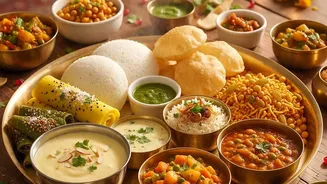









The Digital Vrat Thali
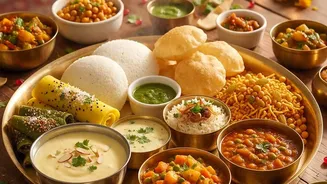
Recent data from Swiggy for the festive period of October 17-20 reveals a nationwide appetite for fasting-friendly meals delivered to the doorstep. The 'Navratri Special Vrat Thali' saw immense popularity, especially combinations featuring Singhara Poori
or Rajgira Poori. According to the reports, cities like Delhi, Bengaluru, Gurugram, and Noida led the charge in ordering these complete meal platters. This indicates a growing reliance on prepared meals for what has traditionally been a home-cooked affair. The trend wasn't just about thalis; sabudana-based dishes were the undisputed champions of the season. Swiggy reported delivering an average of 1,794 sabudana dishes every hour during the festive weekend of October 17-18. Sabudana Khichdi was a top-seller in Mumbai and Bengaluru, with significant demand also coming from Pune and Jaipur, showing the trend's wide geographical spread.
Understanding the Vrat Platter
For the uninitiated, a 'vrat' or fasting meal adheres to specific dietary rules observed during Hindu festivals like Navratri. These meals typically exclude grains like wheat and rice, lentils, onions, garlic, and common table salt. Instead, ingredients like sabudana (tapioca pearls), kuttu ka atta (buckwheat flour), singhara ka atta (water chestnut flour), samak ke chawal (barnyard millet), and rock salt (sendha namak) are used. Preparing these dishes requires not just specific ingredients but also time and knowledge of the recipes, from Sabudana Khichdi to Kuttu ki Poori and Aloo Sabzi. The complexity and effort involved are a key reason why the convenience of a pre-prepared, compliant thali has become so appealing.
Tradition Meets Modern Convenience
So, why are so many people outsourcing their fasting meals? The answer lies in the realities of modern urban life. For young professionals living away from home, students in hostels, or even nuclear families with demanding work schedules, preparing elaborate vrat meals daily is a significant challenge. Yet, the desire to uphold religious and cultural traditions remains strong. Food delivery platforms have effectively bridged this gap. They offer a practical solution that allows individuals to observe the fast without the logistical burden of cooking. This trend isn't just about saving time; it's about enabling cultural participation. Restaurants and cloud kitchens have responded by curating special Navratri menus, making it easier than ever to find compliant food, a task that was once a challenge outside the home.
A Booming Festive Market
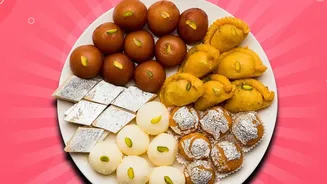
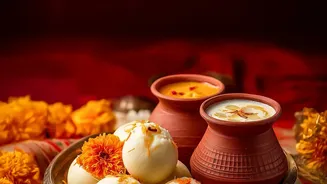
The demand for vrat food has created a thriving seasonal market for the food industry. Restaurants, from local eateries to five star hotels, now roll out extensive Navratri menus, often available for delivery. This year's data underscores the scale of this market. One particularly notable order in Noida involved 13 vrat thalis worth ₹11,072, showcasing that people are ordering for entire families or groups. The trend extends beyond fasting food to festive sweets. Swiggy noted a 36.4% year on yon increase in orders for traditional sweets during the same period. This surge was seen not only in metros like Delhi, Mumbai, and Chennai but also in smaller cities like Patna, Dehradun, Jodhpur, and even Agartala and Shillong, demonstrating a nationwide pattern of festive indulgence powered by delivery apps.