




Choosing the Right Pot and Soil
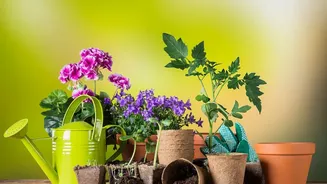
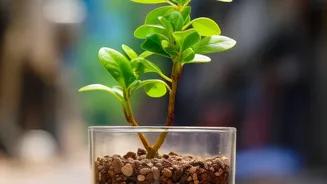
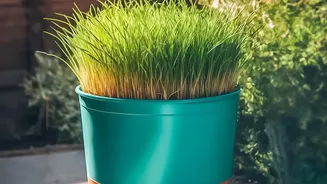
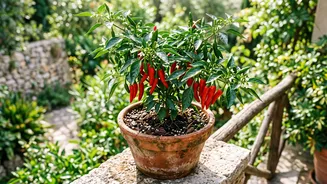
Your journey begins with the right home for your plant. Thai chillies thrive in containers, but pot selection is crucial. Choose a pot that is at least 12 inches deep and wide to give the roots ample room to grow. Most importantly, ensure the pot has
several drainage holes at the bottom. Chilli plants despise 'wet feet', and waterlogged soil can quickly lead to root rot, a common reason for failure. When it comes to soil, don't use heavy garden soil, which compacts easily in pots and can suffocate the roots. Instead, opt for a high-quality, well-draining potting mix. An ideal blend consists of potting compost mixed with materials like perlite and coco coir to keep the soil light, aerated, and capable of retaining moisture without becoming soggy.
Sunlight: The Non-Negotiable Ingredient
Here is the golden rule highlighted in the headline: Thai chilli plants are sun-worshippers. To grow healthy and, more importantly, to produce an abundance of fruit, your plant needs at least six to eight hours of direct sunlight every day. A south-facing balcony, terrace, or window is the perfect location. Without sufficient light, your plant may look leafy and green but will likely fail to produce many flowers or chillies. The energy from the sun is what fuels fruit production. If you are growing indoors and cannot provide this much natural light, you may need to supplement with a grow light to ensure your plant gets the energy it needs to thrive.
Mastering Water and Fertiliser
Watering is a balancing act. The goal is to keep the soil consistently moist but never waterlogged. A reliable method is the 'finger test': stick your finger about an inch into the soil. If it feels dry, it's time to water. Water the plant thoroughly until you see excess draining from the bottom holes, then allow the top layer of soil to dry out before watering again. Overwatering is a more common mistake than underwatering. To get a bountiful harvest, your chilli plant will also need food. During the growing season, feed your plant with a balanced liquid fertiliser every two to four weeks. Look for a fertiliser formulated for peppers or tomatoes, which will have the right nutrients to support flowering and fruiting.
Pruning and Pest Patrol
While not strictly necessary, a little pruning can lead to a bushier plant and a bigger harvest. When the plant is about six inches tall, you can 'pinch' or snip off the very top growing tip. This encourages the plant to grow more side branches, and more branches mean more places for chillies to grow. Keep an eye out for common garden pests like aphids and spider mites, which can sometimes trouble chilli plants. Often, a strong spray of water can dislodge them. For more persistent issues, organic solutions like neem oil spray are effective and safe to use on edible plants. Ensuring good air circulation around the plant also helps prevent fungal issues.
Harvesting Your Fiery Rewards
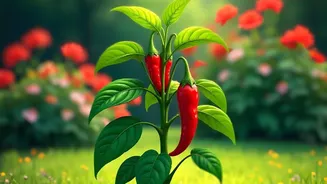
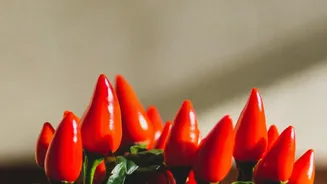
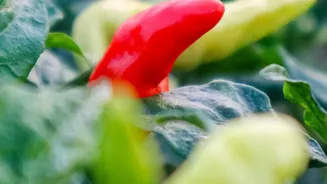
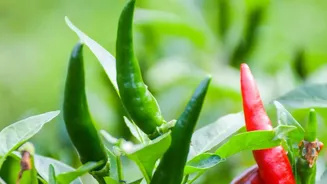
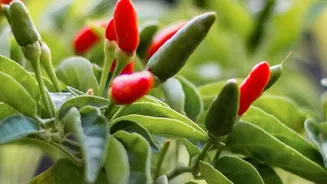
After a few months of care, you'll see small, upward-pointing chillies forming. Thai chillies can be harvested when they are green, but for their signature fiery heat and fuller flavour, it's best to wait until they ripen to a vibrant red. The plant will continue to produce, so you can harvest them at different stages to see which you prefer. Use a pair of scissors or small shears to snip the peppers from the stem. Pulling them by hand can damage the delicate branches. Regular harvesting encourages the plant to produce more flowers and more chillies, giving you a continuous supply for your kitchen adventures.