


The Challenge of the Pan-Indian Menu
The idea of a pan-Indian menu is ambitious. It aims to represent a subcontinent’s worth of flavours under one roof. However, this often results in a greatest-hits collection that, while popular, can feel repetitive. Butter chicken, Rogan Josh, and Goan
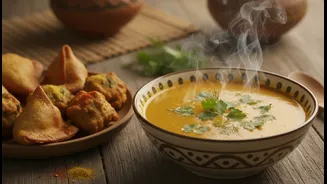
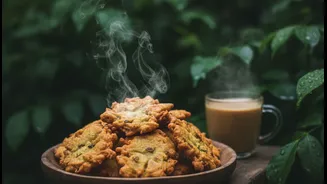
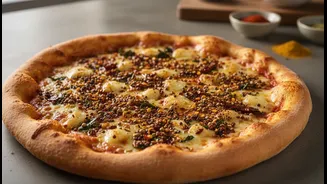
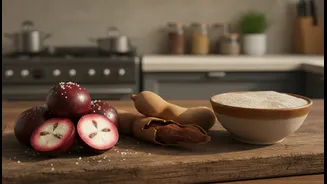
fish curry become stand-ins for entire regions, overshadowing countless other dishes that tell a deeper, more nuanced story. This isn't just about food; it's about representation. When a menu defaults to cliches, it reinforces a simplified, monolithic idea of regional cultures. A thoughtful menu, on the other hand, acts as a curator, guiding diners beyond the familiar and into the heart of a region's culinary soul. A new generation of chefs is rising to this challenge, focusing on authenticity, lesser-known recipes, and the stories behind the food. They are proving that it's possible to build a menu that connects diverse states without flattening their unique identities.
Goa: Beyond Vindaloo and Beach Shacks
Goan food is often stereotyped as just pork vindaloo and seafood curries, heavily defined by its Portuguese influence. While these are important, they are only one chapter of a much richer story. A thoughtful Goan offering would also explore the distinct Hindu Saraswat Brahmin cuisine, which is primarily pescetarian and uses kokum and tamarind for sourness instead of vinegar. Imagine a dish like Tondak, a comforting curry made with beans and cashews, or a delicate fish Humann, which is milder than its Catholic counterparts. Chefs delving into this tradition might feature dishes prepared in clay pots over wood fires, using rock salt from local pans, showcasing a side of Goa that is deeply connected to its pre-colonial roots and seasonal rhythms.
Assam: A Symphony of Sour, Pungent and Fermented
Assamese cuisine is one of India's most misunderstood and underrepresented. Often reduced to just its tea, the food of Assam is complex and relies on unique ingredients and techniques like fermentation. A menu that truly represents the state would go far beyond generic notions. It would feature Maasor Tenga, a quintessential tangy fish curry that can be soured with ingredients like elephant apple or tomato. It would also introduce diners to Khar, a unique category of dishes made with an alkaline extract that gives them a distinctive flavour. Pork with lai xaak (mustard greens) or duck with ash gourd showcases the region's love for combining meats with local greens and vegetables. Presenting dishes like Poita Bhat, a fermented rice dish served with mustard oil and chillies, would offer a glimpse into the everyday comfort food of the region.
Kashmir: More Than Just Wazwan
Kashmiri cuisine is almost universally equated with Wazwan, the elaborate, meat-heavy feast. While a masterpiece of culinary art, it doesn't represent the daily food or the full spectrum of the region's gastronomy. A thoughtful menu would also shine a light on Kashmiri Pandit cuisine, which traditionally uses no onion or garlic, relying instead on asafoetida (heing), ginger powder, and fennel for its aromatic depth. Dishes like Dum Aloo (potatoes in a spicy red gravy) or Nadru Yakhni (lotus stem in a yogurt-based sauce) reveal a sophisticated vegetarian tradition. Even within non-vegetarian cooking, there's more to explore. Instead of just the famous Rogan Josh, a menu could feature fish cooked with lotus stem or radish, reflecting how home cooking combines vegetables and proteins. This approach presents a more complete and less intimidating picture of Kashmiri food culture.
Karnataka: A State of Many Cuisines
Karnataka's culinary identity is often simplified to Masala Dosa and Bisi Bele Bath. But the state contains multitudes of distinct regional cuisines, from the coastal fare of Mangalore to the rustic food of Malenadu and the millet-based meals of the northern plains. A menu celebrating Karnataka could feature Neer Dosa served with a spicy Kori Gassi (chicken curry) from the Mangalorean coast. It could introduce diners to the food of the Malenadu region, with dishes like Kadubu (steamed dumplings) or the peppery Koli Saaru (chicken curry). From the Kodagu region comes the famous Pandi Curry (pork curry), and from the state's interior, the nutritious Ragi Mudde (finger millet balls) served with flavourful curries. Exploring these hyper-regional specialities demonstrates that Karnataka's food landscape is as diverse as its geography.