



The Green Promise: A Breath of Fresh Air?
The popular belief that houseplants are nature's air purifiers has deep roots, tracing back to a well-known NASA study from 1989. This research, designed to find ways to clean the air in sealed space stations, found that certain common houseplants could
remove toxic chemicals like formaldehyde and benzene from small, sealed chambers. The study was groundbreaking, suggesting that plants and the microorganisms in their soil could absorb and break down pollutants. This idea quickly captured the public imagination, leading to countless articles and lists promoting specific plants as must-haves for a healthier home. The promise was simple and appealing: add a few plants to your room and breathe cleaner, healthier air.
Reality Check: From Lab to Living Room
Unfortunately, what works in a sealed lab chamber doesn't quite translate to a typical bedroom. More recent analysis of the NASA study and others like it reveals a major caveat: the scale. To replicate the air-cleaning effects seen in the lab, you would need an impractically large number of plants—some estimates suggest anywhere from 10 to 1,000 plants per square metre of floor space. For the average bedroom, that would mean living in a dense jungle. The reality is that the normal air exchange in a home, even one with closed windows, dilutes indoor pollutants much faster than a few plants can absorb them. While plants do perform a process called phytoremediation, where they absorb toxins, the effect is minimal in a real-world home environment. So, a few plants won't act as a substitute for an air purifier or good ventilation.
More Than Just Air Molecules
So, should you give up on your green roommates? Not at all. While their air-purifying abilities might be overstated, the psychological benefits of indoor plants are well-documented. Numerous studies show that just being in the presence of plants can reduce stress and anxiety, improve your mood, and even boost focus and creativity. The simple act of caring for a plant—watering it, watching it grow—can be a mindful and fulfilling hobby. They bring a touch of nature indoors, which is especially important during long winter months when we spend less time outside. Their aesthetic appeal adds life and colour to a room, making a space feel calmer and more welcoming. These proven wellness benefits are, for many people, far more significant than any minor effect on air quality.
Your Bedroom's Green Shortlist
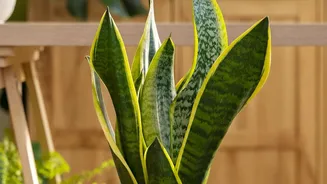
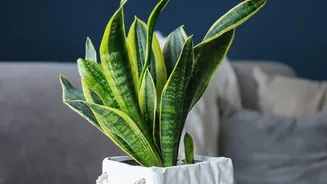
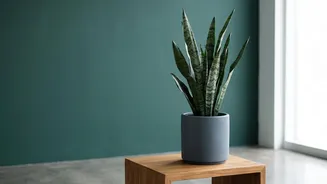
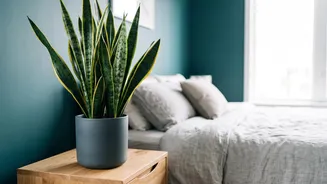
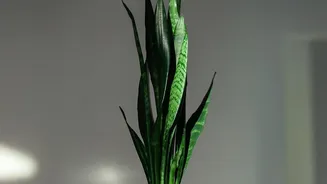
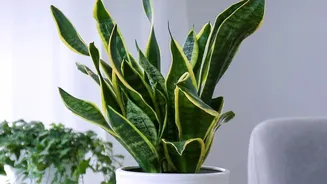
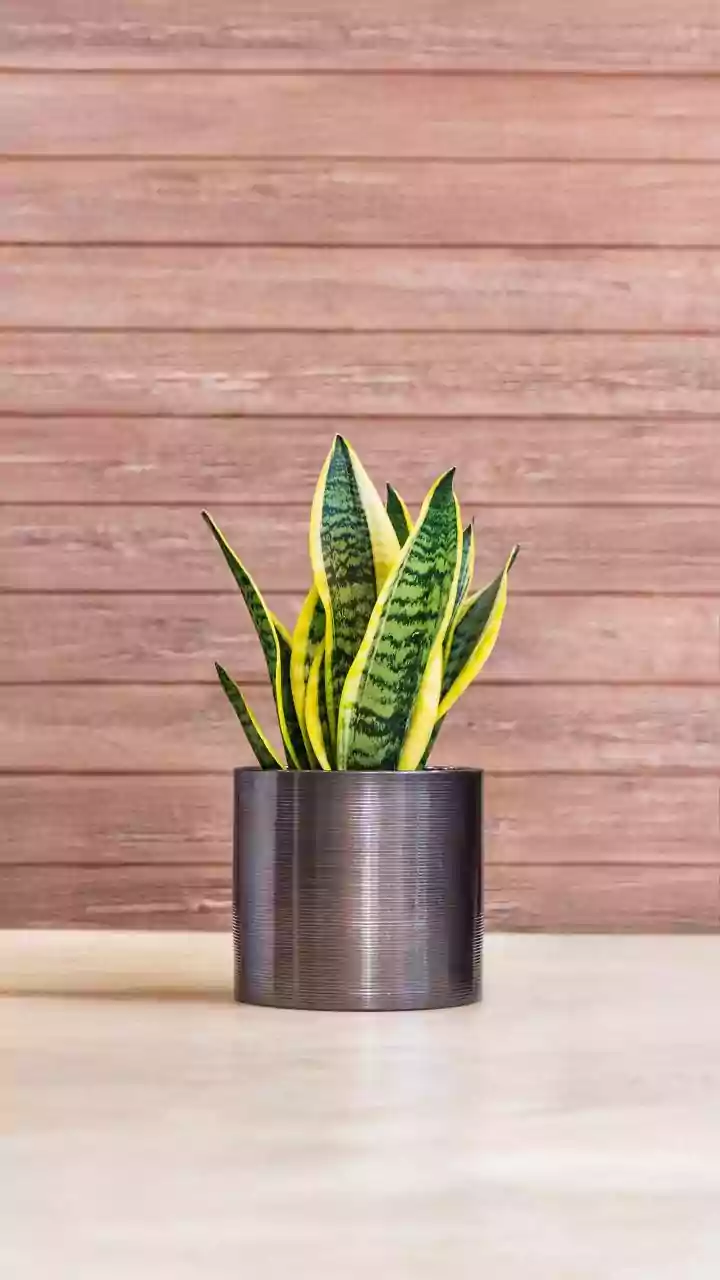
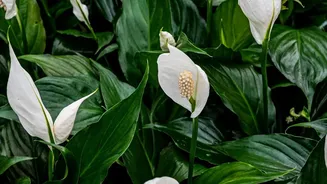
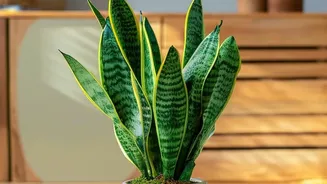
Even if they aren't air-scrubbing powerhouses, some plants are better suited for bedrooms than others due to their hardiness and low-light tolerance. The Snake Plant (Sansevieria) is a top contender; it's incredibly tough and releases oxygen at night. The Spider Plant (Chlorophytum comosum) is another easy-to-grow choice that thrives in various conditions and is safe for pets. Peace Lilies (Spathiphyllum) are known for their beautiful white blooms and ability to thrive in lower light. Finally, the ZZ Plant (Zamioculcas zamiifolia) is nearly indestructible, tolerating low light and infrequent watering, making it perfect for beginners or forgetful plant parents.
Maximise Your Plant Power This Winter
To keep your green companions healthy through the Indian winter, a few care adjustments are needed. With shorter days, light is at a premium, so move plants closer to windows that get bright, indirect sunlight. Reduce watering, as plant growth slows and soil stays moist longer in cooler weather; always check if the top inch of soil is dry before watering again. Indoor heating can make the air dry, so consider misting your tropical plants occasionally to boost humidity. Finally, keep leaves clean by wiping them with a damp cloth. This not only looks better but also helps the leaves absorb the limited winter sunlight more efficiently.