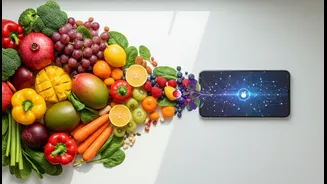









The Digital Dinner Plate
The rise of household internet connectivity has introduced a powerful new player at the Indian dinner table. For millions, particularly in urban areas, the question of 'what's for dinner?' is no longer limited to the contents of the kitchen or the offerings
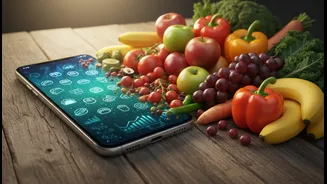
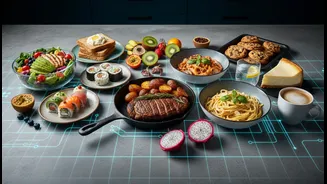
of the local market. It’s now answered by a scroll through a smartphone. Food delivery platforms like Zomato and Swiggy have become ubiquitous, turning dining into an effortless, on-demand experience. This convenience has fundamentally altered eating patterns. Studies show a significant portion of urban millennials order food online at least once a week, driven by convenience, variety, and speed. This shift means that meals are increasingly sourced from restaurants, which often consist of higher-calorie, ultra-processed options compared to home-cooked food. Researchers note that this reliance on outside food is contributing to a higher intake of salt, sugar, and unhealthy fats, altering the nutritional profile of the average urban diet.
Eating for the Algorithm
Beyond the direct impact of delivery apps, social media platforms like Instagram and YouTube have become powerful, indirect influencers of dietary choices. Aesthetically pleasing food trends, from Dalgona coffee to avocado toast, gain viral traction, creating a sense of 'Food FOMO' (Fear Of Missing Out on Food Trends) among younger users. This phenomenon encourages aspirational eating, where the visual appeal of a dish for a social media post can sometimes outweigh its nutritional value or even taste. Studies on Indian youth have found a strong correlation between social media use and eating attitudes. One study revealed that 65% of young adult participants follow food influencers, and nearly half felt their eating habits were highly affected by social media content. This digital influence isn't always negative; highly 'liked' posts featuring fruits and vegetables have been shown to nudge people towards healthier choices. However, the overwhelming exposure to unhealthy food marketing and unattainable body standards promoted online is a growing concern for public health experts.
A Tale of Two Indias
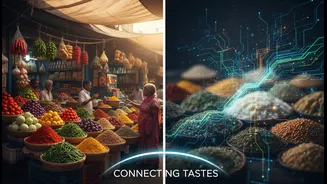
The impact of internet connectivity on diet is not uniform across the country. A significant digital divide persists between urban and rural India. While internet penetration in cities is high, with around 91.6% of urban households having access, that number drops to 83.3% in rural areas. More importantly, the quality of access differs, with urban homes being four times more likely to have high-speed fiber connections. This disparity means the digital food revolution is primarily an urban story for now. Rural adoption of digital payments and e-commerce is growing but lags significantly. Research shows that digital consumption in rural areas is catching up, but food-related transactions have remained relatively stagnant compared to other categories like utilities and clothing. The primary barriers in rural India are not just infrastructure but also lower digital literacy and a lack of perceived need for such services. As a result, traditional foodways remain more insulated from digital influence in villages compared to the rapidly changing habits in metros.
The Double-Edged Sword of Digital Access
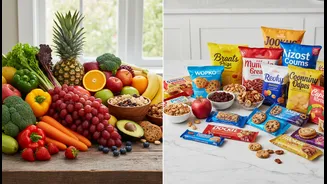
Internet access presents both opportunities and challenges for nutrition. On one hand, it democratizes information. People can access a world of recipes, learn about diverse cuisines, and find information on healthy eating. This can lead to dietary diversification and greater awareness of nutrition. Platforms are also responding to consumer demand for healthier options, with some introducing features to highlight nutritious meals or partnering with cloud kitchens specializing in diet-friendly food. On the other hand, the digital food environment is a major driver of consumption of unhealthy, processed foods. The convenience of ordering in often leads to more impulsive and less mindful eating choices, contributing to rising rates of obesity and lifestyle diseases in India. Studies among young adults have linked frequent use of online food delivery with poorer dietary quality. This makes the digital food environment a critical area of focus for public health.
The New Frontier of Nutritional Research
Recognizing these profound shifts, nutritionists and public health researchers are now incorporating household connectivity as a crucial variable in their studies. Understanding who is online, what content they engage with, and how it translates to their grocery purchases and meal orders is essential for a modern understanding of the nation's health. Future research will need to untangle the complex interplay of factors like income, education, digital literacy, and cultural context. The goal is to build a clearer picture of how the digital world is reshaping India's nutritional landscape. This knowledge is vital for developing effective public health interventions, from promoting digital media literacy to working with tech platforms to nudge users toward healthier choices. The algorithms that currently push popular burgers could, for instance, be tweaked to prioritize healthier local alternatives.