




Why Pets Are More at Risk
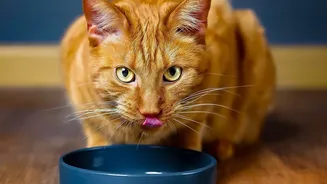
Our pets experience the world differently. They are closer to the ground, where chemical fumes from floor cleaners can concentrate. Unlike humans who wear shoes indoors, pets walk barefoot on freshly mopped surfaces, potentially absorbing chemicals through
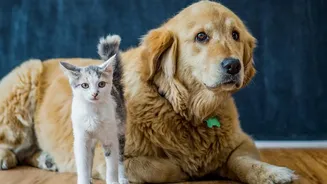
their paw pads. They also groom themselves by licking their fur and paws, which means any residue they pick up from the floor can be easily ingested. Cats are particularly vulnerable as they lack certain liver enzymes that help process and eliminate toxins. Because of their size, even small amounts of a toxic substance can have a much greater impact on a pet than on an adult human. According to the ASPCA, household cleaning products are a frequent cause of poison-related calls, highlighting how common this danger is.
The Chemical Culprits in Your Cleaner
Many popular floor cleaners available in India contain ingredients that are known to be harmful to pets. Phenols, common in disinfectants with a strong “carbolic” smell, are particularly toxic to cats. Other ingredients to avoid include ammonia, chlorine (bleach), formaldehyde, and certain fragrances. Ammonia can irritate your pet’s respiratory system, eyes, and skin. Chlorine bleach, even when diluted, can cause chemical burns on paw pads and irritate their powerful sense of smell. Formaldehyde is a known carcinogen, while vague ingredients like “fragrance” can hide a cocktail of up to 200 chemicals, including phthalates, which are linked to respiratory issues and hormone disruption.
Recognising the Warning Signs of Toxicity
Exposure to toxic chemicals can cause a range of symptoms, which can appear suddenly or develop over time. Common signs of poisoning from cleaning products include gastrointestinal issues like vomiting, diarrhea, and excessive drooling. Your pet might also seem lethargic, lose their appetite, or show signs of abdominal pain. Inhaled fumes can lead to respiratory distress, such as coughing, sneezing, watery eyes, or difficulty breathing. In more severe cases, you might notice neurological symptoms like disorientation, tremors, or seizures. If you notice any of these signs, especially after cleaning, it's crucial to contact your veterinarian immediately for guidance.
Smarter, Safer Cleaning Habits
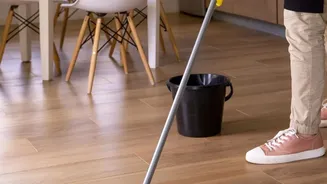
Protecting your pet doesn't mean you have to live with dirty floors. The simplest step is to ensure your pets are in another room while you are cleaning and to keep them away until the floor is completely dry. This minimises the risk of them inhaling strong fumes or walking on wet surfaces. When you’re done, rinse the floor with plain water to remove any lingering chemical residue. Always store cleaning products in a secure cabinet that your pets cannot access. When choosing a product, look for cleaners specifically marketed as pet-safe and read the labels carefully to avoid the harmful ingredients mentioned earlier.
Pet-Friendly Alternatives and DIY Solutions
Fortunately, the Indian market now offers several excellent pet-safe cleaning options. Look for plant-based or bio-enzyme cleaners from brands like Born Good, Koparo, EcoRoot, and Unleash Wellness. These formulas use non-toxic surfactants and natural enzymes to break down dirt and grime without leaving harmful residues. For a simple and cost-effective DIY solution, a mixture of equal parts white vinegar and water can be an effective cleaner for many floor types, though you should always test it on a small, inconspicuous area first. This simple switch can give you peace of mind, knowing your floors are clean and your pets are safe.