



1. Plan Your Plot Smartly
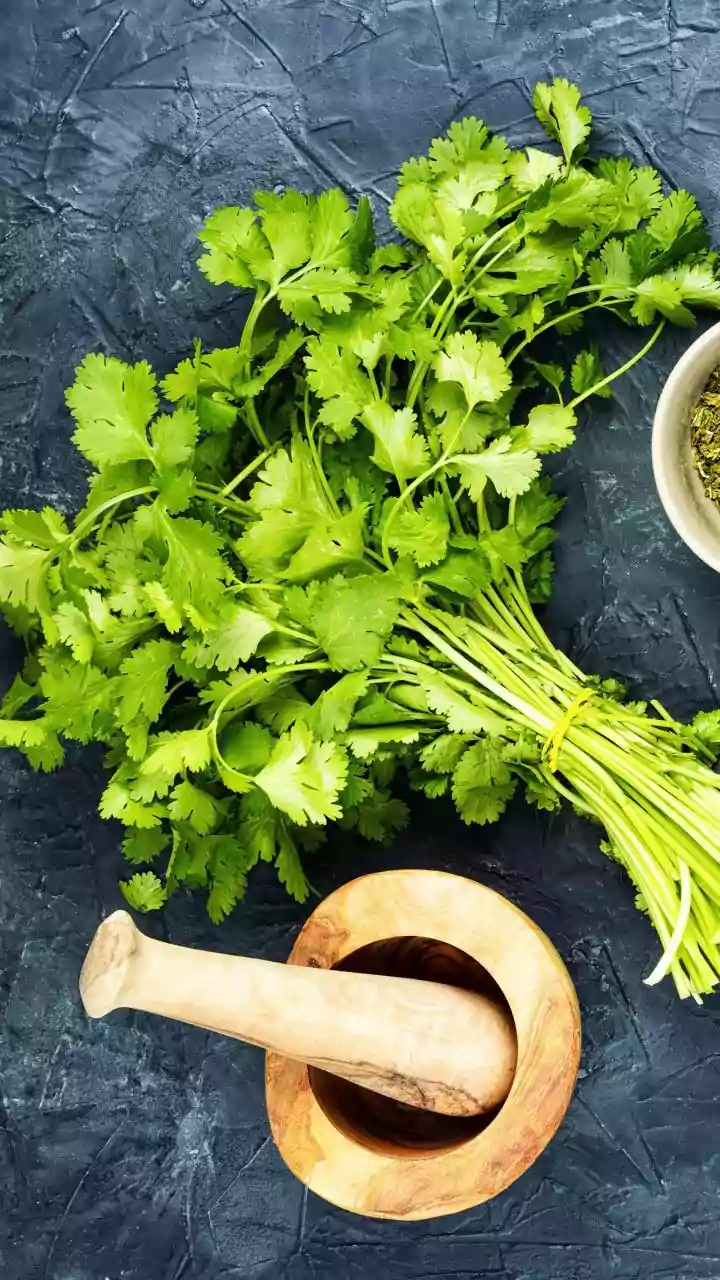
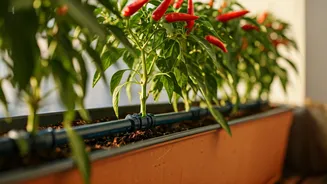
Before you sow a single seed, take a moment to plan. Consider the sunlight your balcony or garden patch receives. Vegetables like tomatoes, chillies, and brinjal love at least 6-8 hours of direct sun. Leafy greens like spinach (palak) and coriander (dhania)
can manage with less. Plan for succession planting: as you harvest one crop, have seedlings ready to take its place. This ensures a continuous supply of fresh produce instead of a single, overwhelming glut.
2. Feed Your Soil, Not Just Your Plants
Healthy soil is the foundation of a productive garden. Instead of relying solely on chemical fertilisers, build rich, living soil. Start a compost pile or bin with your kitchen scraps—vegetable peels, fruit waste, eggshells, and coffee grounds. Mix this 'black gold' into your pots or garden beds before planting. It provides a slow release of nutrients, improves water retention, and encourages beneficial microbes that protect your plants from disease.
3. Embrace Companion Planting
Some plants just grow better together. This ancient practice, known as companion planting, can deter pests, attract pollinators, and improve the flavour of your produce. A classic combination is planting marigolds (genda) around your tomato plants; the flowers are known to repel nematodes and other pests. Planting aromatic herbs like mint or basil near your vegetable patches can also help confuse and drive away unwanted insects, reducing the need for pesticides.
4. Harvest at the Right Time
Knowing when to harvest is key to both flavour and productivity. For leafy greens, adopt a 'cut-and-come-again' approach. Snip the outer leaves as you need them, leaving the central part to continue growing. For vegetables like beans and bhindi (okra), harvest them when they are young and tender. Letting them grow too large can make them tough and woody, and it signals the plant to stop producing. Regular harvesting encourages the plant to produce more.
5. Use Every Part of the Plant
We're often conditioned to throw away parts of vegetables that are perfectly edible and nutritious. The green tops of carrots and beets can be turned into a delicious pesto or added to dal. Cauliflower leaves can be roasted or stir-fried like any other green. Broccoli stems, peeled and chopped, are fantastic in soups and sabzis. Before you toss something into the compost bin, ask yourself if it can be eaten. You'll be surprised how much food you can save.
6. Master the Art of Preservation
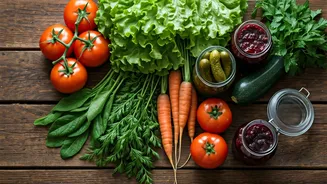
When you have a bumper crop, preservation is your best friend. India has a rich tradition of this. Turn a surplus of green mangoes, lemons, or chillies into tangy achar (pickle) that will last for months. Tomatoes can be pureed and frozen in ice cube trays for easy use in curries, or slow-roasted and preserved in oil. Many vegetables and herbs can be sun-dried, a simple and effective method that concentrates their flavour. This way, you can enjoy the taste of your summer garden long into the winter.