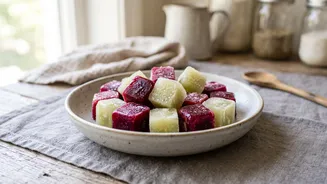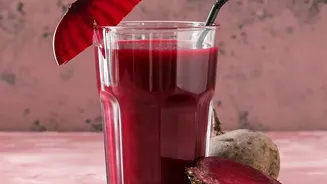





Wellness shots are now a staple, and convenient, nutrient-packed ice cubes made from superfoods like amla and beetroot are trending. But to truly benefit, you must store them correctly to preserve their goodness and ensure they remain safe to eat.
The Power Packed in Each Cube
Before
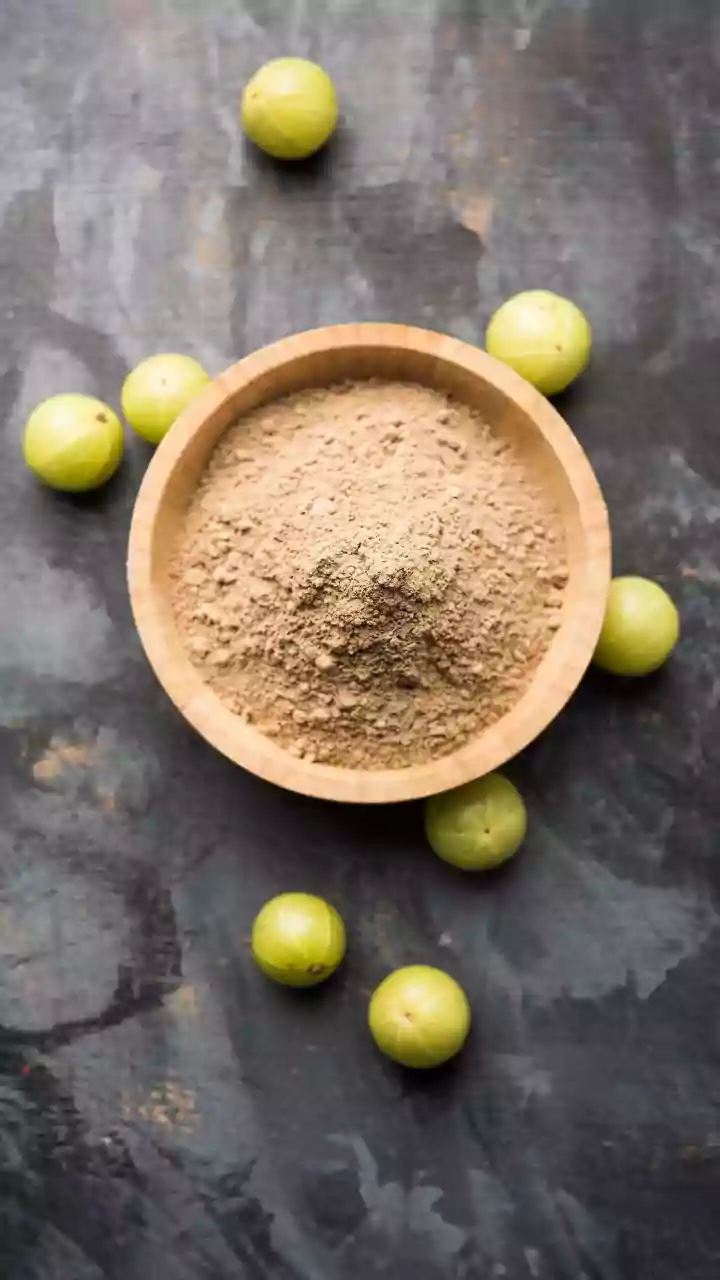
diving into storage, it’s worth remembering why these vibrant cubes are so popular. Amla, or Indian gooseberry, is a celebrated superfood in India, famed for its incredibly high Vitamin C content, which is crucial for a strong immune system. It's also packed with antioxidants that support everything from skin health to digestion. Beetroot, on the other hand, is a powerhouse of essential nutrients like folate, manganese, and potassium. It's particularly known for its natural nitrates, which can help improve blood flow and support heart health. Combining them creates a potent mix that offers benefits for energy, immunity, and overall wellness.
Simple Steps for Preparation
Creating your cubes is straightforward. Start with fresh, thoroughly washed produce. Chop one medium beetroot and two amlas, making sure to remove the seeds from the amla. Many recipes also suggest adding a small piece of ginger for its anti-inflammatory properties and a pinch of black pepper to aid nutrient absorption. Blend these ingredients with a small amount of water until you have a smooth, pourable liquid. While some prefer to strain the juice for a smoother texture, keeping the pulp retains valuable fibre. Once blended, your colourful mixture is ready for the freezer.
The Correct Way to Freeze for Freshness
Freezing isn't just about making things cold; it's about preserving quality. Pour the amla-beetroot juice into clean ice cube trays. Silicone trays are a great option as they are flexible, making it easy to pop the cubes out once frozen. Some silicone trays even come with lids, which provide an initial barrier against freezer odours and contaminants. Freeze the tray until the cubes are completely solid—a process often called 'flash freezing'. Once solid, transfer the cubes from the tray into an airtight freezer-safe bag or container. This 'double-wrapping' method is crucial. Squeeze out as much air as possible before sealing the bag to protect the cubes from freezer burn and oxidation, which degrades nutrients. Don't forget to label the bag with the date.
Why Freezer Hygiene Is Not Optional
A clean freezer is fundamental to food safety. Freezing slows down bacterial growth, but it doesn't kill all bacteria. Pathogens like Salmonella and Listeria can survive freezing temperatures and reactivate once the food thaws. To prevent contamination, maintain a well-organised freezer with a consistent temperature of -18°C (0°F) or lower. Store your juice cubes away from raw meat, poultry, or fish to avoid cross-contamination. It's also good practice to regularly clean your freezer. Remove everything, wash the interior and any removable parts with warm, soapy water, and wipe down with a sanitizing solution to ensure the environment is hygienic.
Avoiding Freezer Burn and Nutrient Loss
Have you ever noticed icy crystals or discoloured, dry patches on frozen food? That's freezer burn. It happens when moisture escapes from the food and freezes on the surface. While not harmful, it ruins the taste and texture. The key to preventing it is minimizing air exposure. Using airtight containers or vacuum-sealed bags is highly effective. By quickly transferring your flash frozen cubes to a sealed bag and removing excess air, you create a protective barrier. Proper storage ensures your cubes retain their flavour, colour, and most importantly their potent nutritional benefits for up to three to six months.