

A Puzzling Pattern
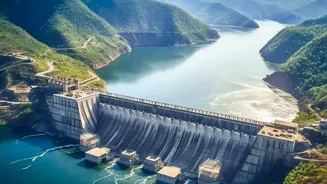
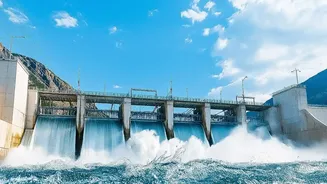
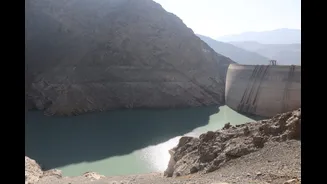
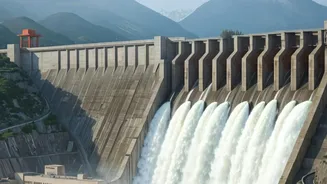
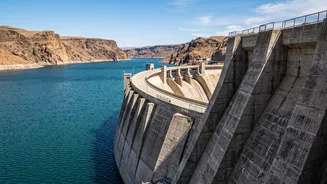
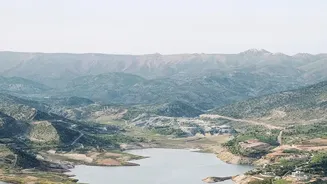
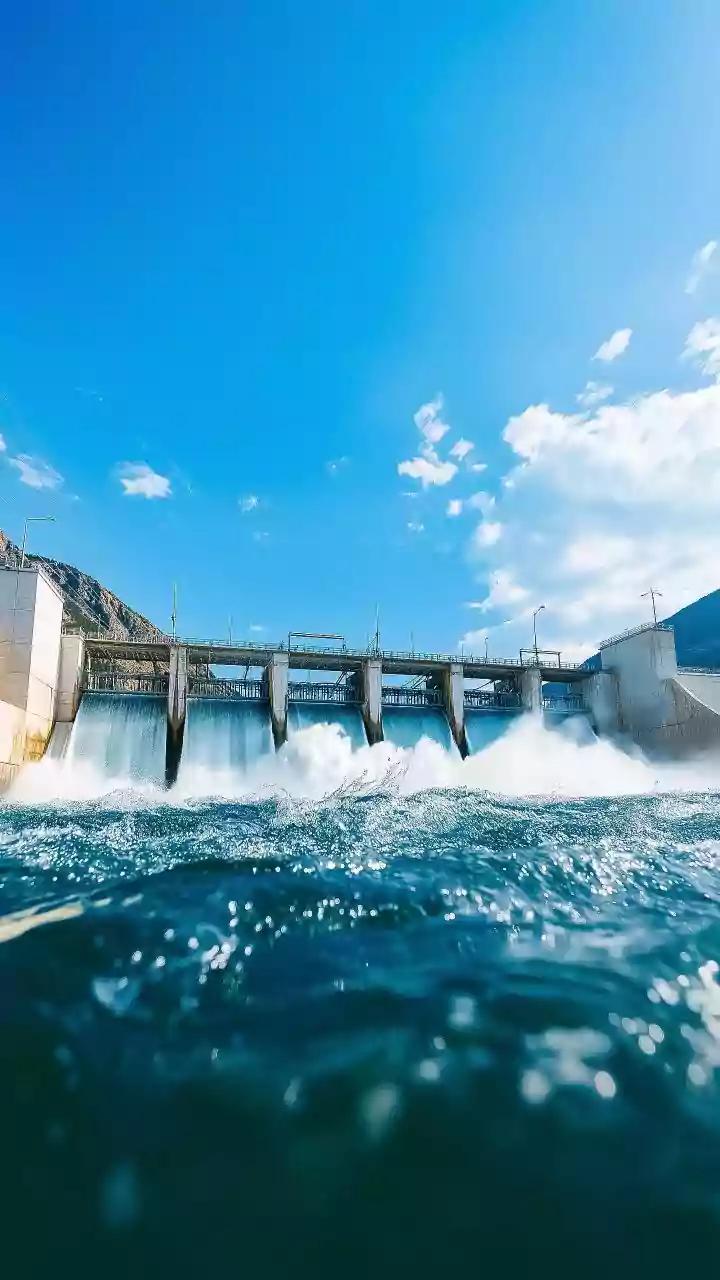
For years, environmentalists and water security experts have been puzzled by Iran's aggressive dam-building campaign. The country has constructed over 500 dams, a high number for the region, with many appearing in locations that lacked a clear civilian
or agricultural justification. Recently, this long-standing question has gained a new, more urgent dimension. The scrutiny intensified after analysts noticed a striking geographic overlap between these water projects and suspected underground missile facilities that were targeted in US-Israeli airstrikes in 2026. This correlation has led experts to hypothesize that the placement may not be coincidental, suggesting some dams could be part of a broader strategy to support Iran's military infrastructure.
The 'Missile Cities' Connection
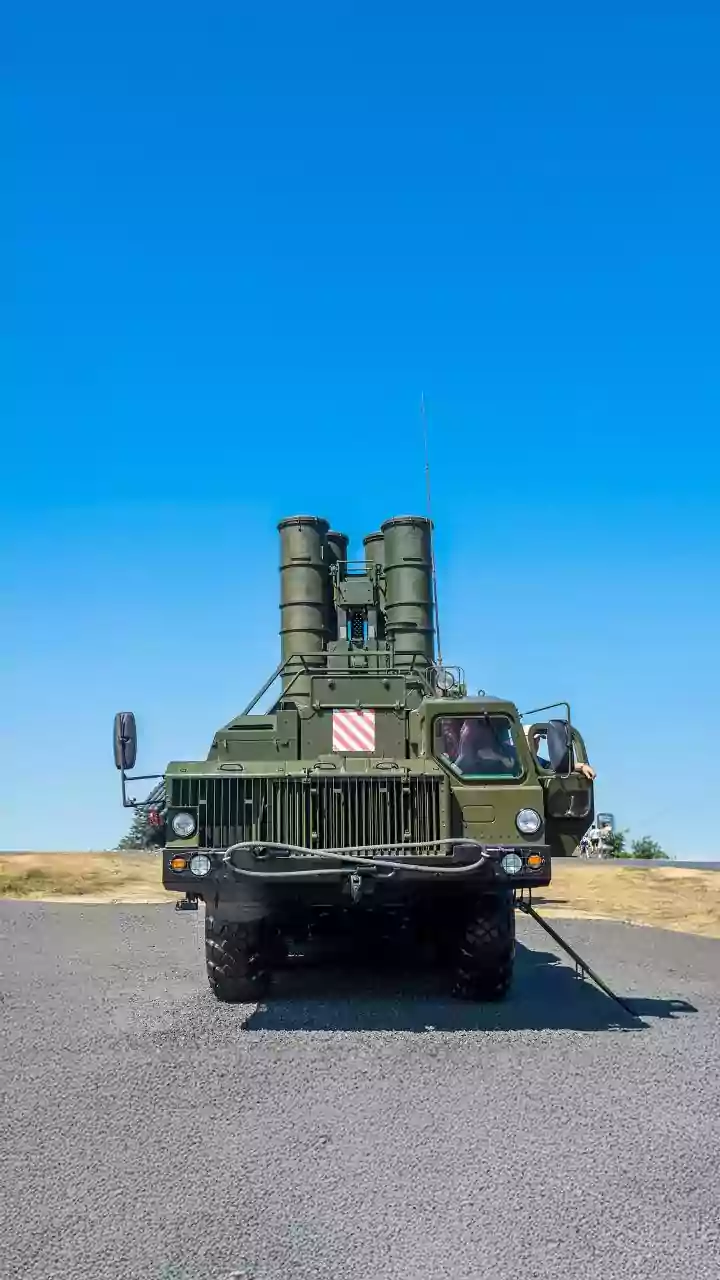
The core of the concern lies with Iran's network of so-called 'missile cities'. These are vast, deep underground complexes designed to produce, store, and launch ballistic missiles and drones, protecting them from surveillance and attack. Military analysts suggest that placing these sprawling, critical bases near dams would be a logical strategic move. Dams can provide a steady, independent, and reliable source of both water and hydroelectric power, which are essential for the long-term, uninterrupted operation of such large-scale underground facilities. This would give Tehran what experts call 'operational continuity', ensuring its most vital military assets are not dependent on the national civilian grid, which could be vulnerable in a conflict.
Dual-Use Dilemma
While the connection remains speculative and lacks definitive proof, the 'dual-use' potential of this infrastructure creates a complex dilemma. Experts stress that these dams also serve essential civilian needs, including providing drinking water, irrigation, and power in a water-scarce nation. However, the possibility that they also support military programs complicates the picture. This issue came to a head following a recent New York Times report on the topic. The report noted that while there is no conclusive evidence, the hypothesis is considered suggestive by several military and water experts. The scrutiny has also shed new light on the 2018 arrests of environmental activists in Iran, with some now suspecting they may have inadvertently ventured too close to sensitive sites while conducting research.
Tehran's Forceful Response
Iranian officials have reacted forcefully to the suggestion that their dams are linked to military bases, calling the claims a pretext to justify future attacks on civilian infrastructure. Foreign Ministry spokesman Esmaeil Baghaei labelled the reports a “malicious fallacy” designed to legitimize strikes against vital resources. Iran's Parliament Speaker, Mohammad Bagher Ghalibaf, went further, warning that Tehran could apply the same logic to its adversaries. He stated that any dam, port, or power plant located near a US or Israeli military base could henceforth be considered a 'dual-use' facility by Iran, raising the stakes and threatening to expand the list of potential targets in any future conflict.