
Why Your Muscles Need Protein
Every time you engage in strenuous exercise, whether it's lifting weights, running, or a high-intensity class, you create tiny micro-tears in your muscle fibres. This is a normal and necessary part of getting stronger. The magic happens during recovery,
when your body repairs these tears, building the muscle back bigger and stronger. The primary raw material for this repair job is protein. Protein is made up of building blocks called amino acids. When you consume protein, your body breaks it down into these amino acids and transports them to your muscles to begin the repair process, known as muscle protein synthesis. Without enough protein, this recovery process is inefficient, leading to prolonged soreness and slower progress.
The Complete Protein Puzzle
Not all protein sources are created equal. The most effective proteins for muscle repair are 'complete proteins', which contain all nine essential amino acids that the body cannot produce on its own. While animal products like meat, eggs, and dairy are complete proteins, most plant-based foods are 'incomplete', meaning they are low in one or more of these essential amino acids. For vegetarians, this doesn't mean you can't build muscle effectively; it just means you need to be a bit smarter about how you build your plate. Think of it as a puzzle: you have different pieces, and you need to fit them together to create a complete picture.
Grains and Legumes: A Perfect Match
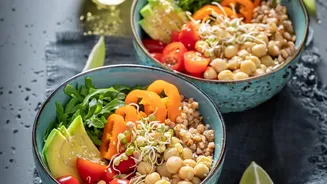
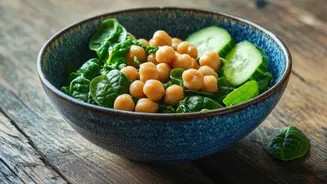
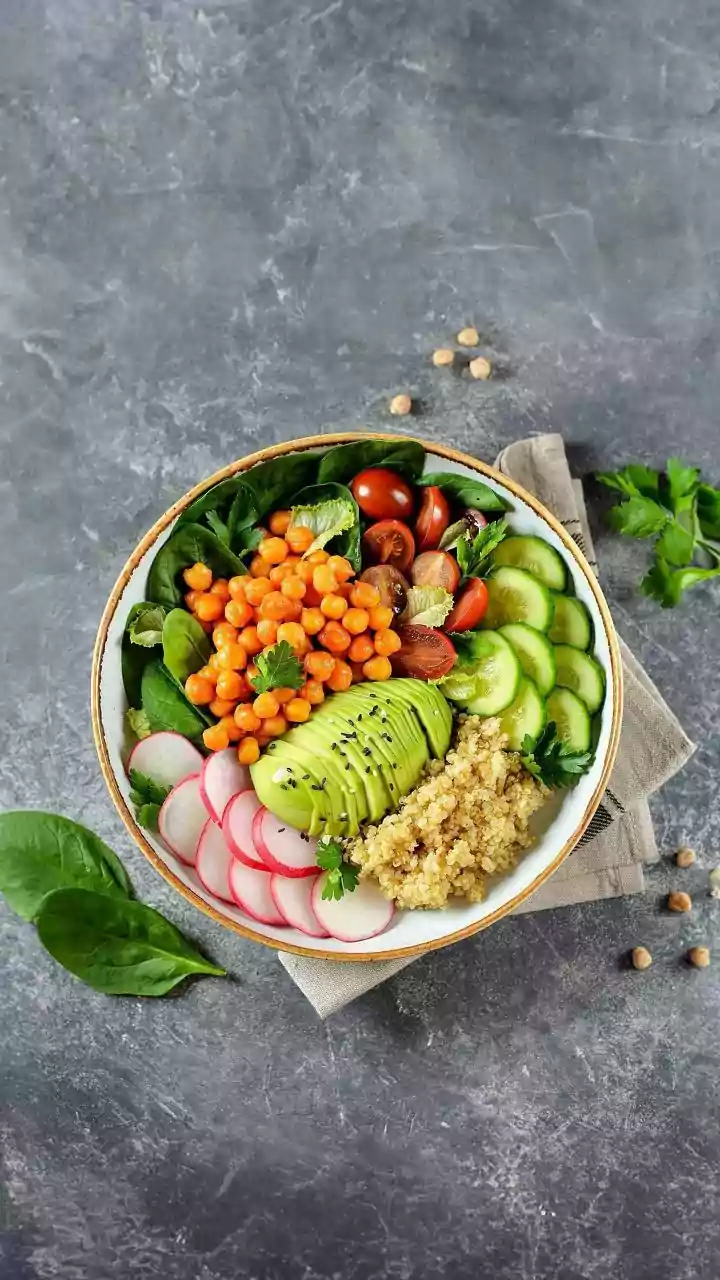
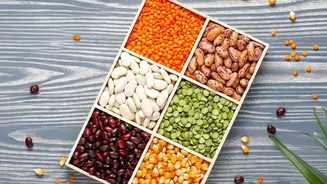
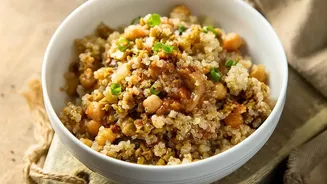
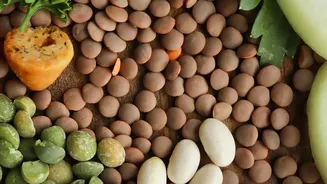
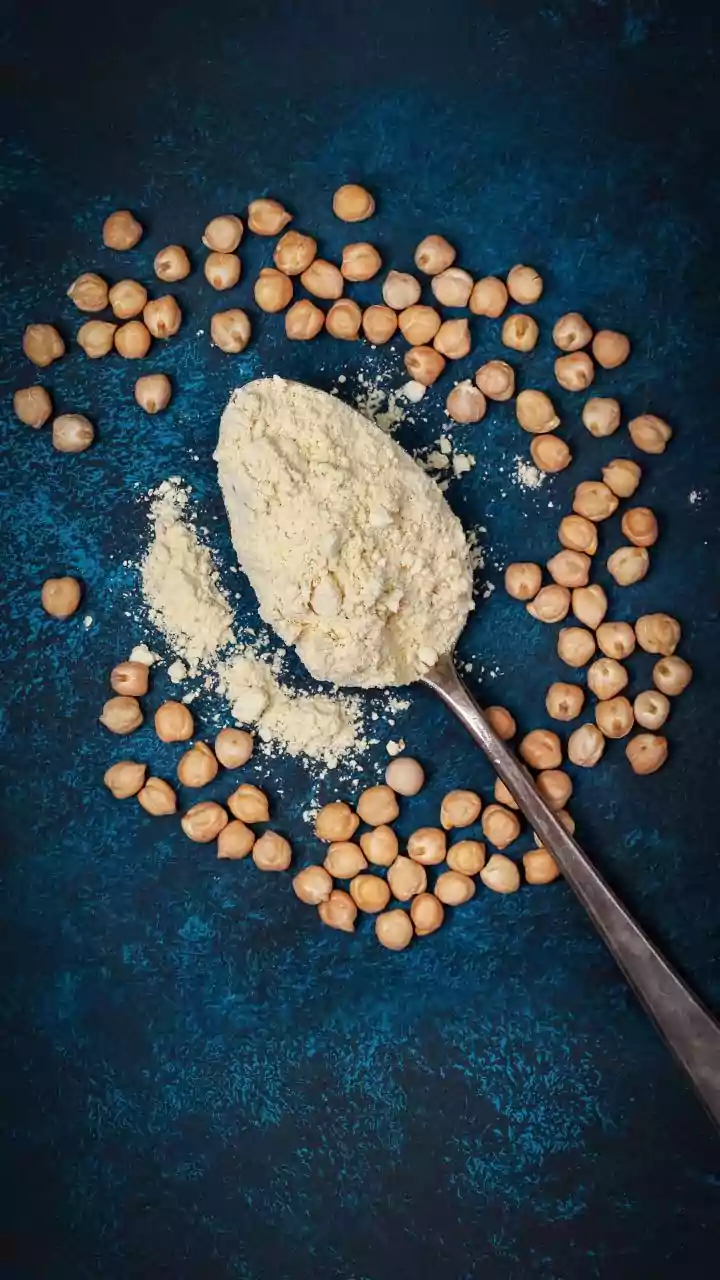
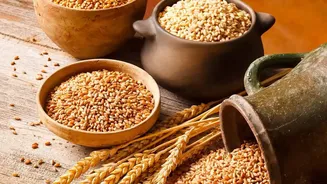
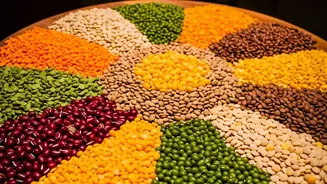
This is where the powerful combination of whole grains and legumes comes in. This strategy, known as protein complementation, is the secret to unlocking complete proteins from plant-based foods. Legumes, which include dals, beans, and chickpeas, are generally rich in the essential amino acid lysine but low in methionine. Whole grains, such as rice, wheat, and millets, are the opposite – they have plenty of methionine but are lacking in lysine. When you eat them together in the same meal, their amino acid profiles complement each other perfectly. The lysine from the legumes fills the gap in the grains, and the methionine from the grains fills the gap in the legumes. The result is a high-quality, complete protein that provides your muscles with all the essential building blocks they need for optimal repair.
Your Plate, Your Power
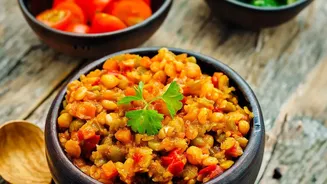
The best part is that this nutritional strategy is already deeply embedded in traditional Indian cuisine. You don't need expensive supplements or complicated recipes; you just need to look at the classic meals that have been enjoyed for generations. Some of the most effective and delicious complete protein combinations include: Dal and Rice (Dal Chawal): The quintessential comfort food is also a powerhouse of muscle-repairing protein.; Rajma and Rice: A North Indian favourite that perfectly pairs kidney beans with a staple grain.; Roti and Chickpeas (Chole): Whole wheat flatbread served with a hearty chickpea curry provides a complete amino acid profile.; Khichdi: Made from rice and moong dal, this one-pot meal is easily digestible and fantastic for recovery. These meals are not just culturally significant; they are scientifically sound strategies for fuelling an active lifestyle.
Timing for a Bigger Impact
To get the most out of your post-workout meal, timing can be important. Consuming your complete protein meal within a couple of hours after finishing your exercise can help kickstart the muscle recovery process more effectively. This period is often called the 'anabolic window', when your muscles are most receptive to absorbing nutrients for repair. While it's important to get enough protein throughout the day, having a meal that combines grains and legumes after your workout ensures that all the necessary amino acids are readily available when your body needs them most. This doesn't need to be stressful; simply planning one of these balanced meals after your gym session or run can make a significant difference in how you feel and perform the next day.