






A Humble Spice's Hidden Power
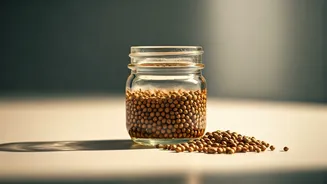
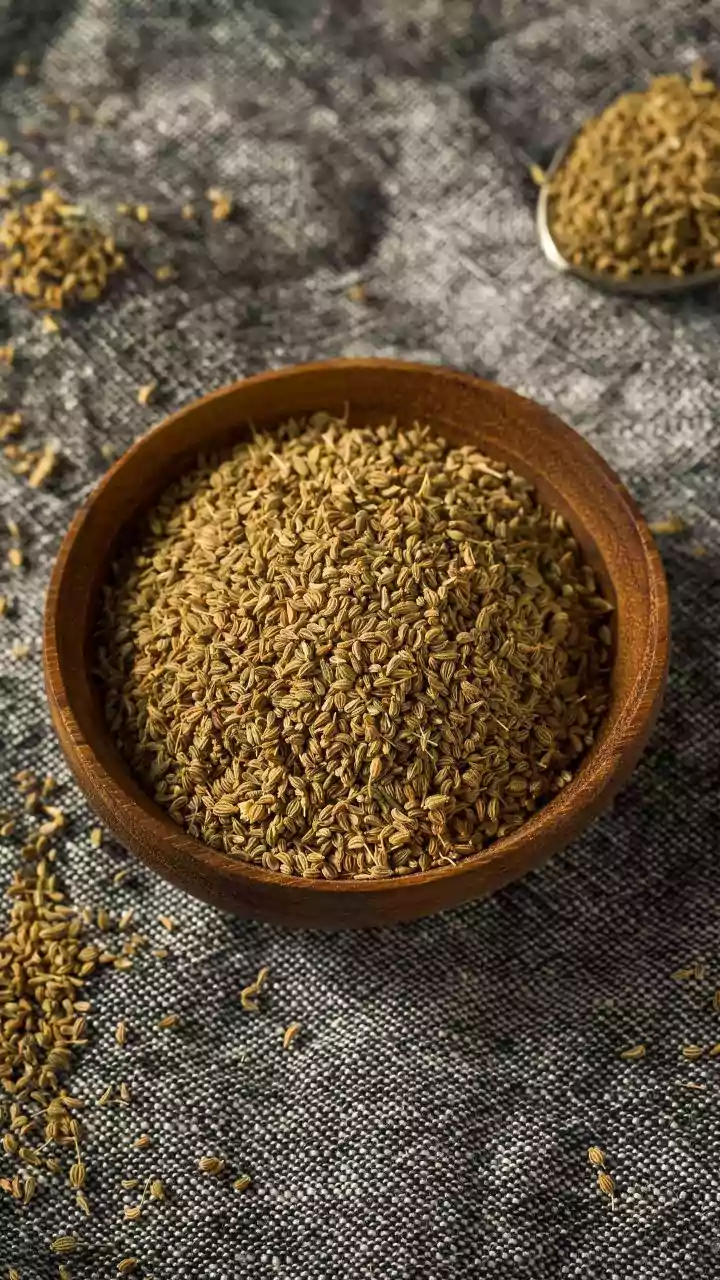
Coriander seeds, or dhaniya, are a cornerstone of Indian cooking. We toast them, grind them, and sprinkle them into nearly every dal and curry for their warm, citrusy aroma. But beyond flavour, these tiny seeds hold a long-standing reputation as a digestive
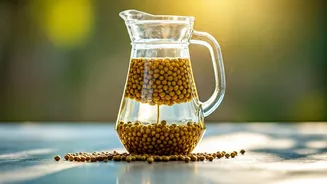
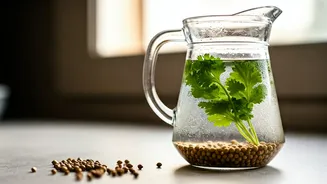
aid. Coriander seed water is simply an infusion made by soaking these seeds, a practice that aims to extract their beneficial compounds into a drinkable, soothing liquid. It’s a remedy that has been passed down through generations, valued for its simplicity and gentle action on the digestive system.
The Ayurvedic Perspective on Dhaniya
In Ayurveda, coriander is celebrated for its 'tridoshic' properties, meaning it is considered balancing for all three doshas (Vata, Pitta, and Kapha). It is particularly prized for its cooling effect (virya) on the body. From an Ayurvedic standpoint, bloating is often a sign of aggravated 'Vata' (air and space elements) or poor 'Agni' (digestive fire). Coriander seeds are believed to help pacify Vata and support Agni without aggravating Pitta (fire element), which is why dhaniya water is often recommended for indigestion, gas, and that uncomfortable feeling of fullness. It is seen as a gentle carminative, helping to ease the passage of gas and soothe an irritated gut.
What Modern Science Suggests
While large-scale human trials are limited, modern science is beginning to validate some of coriander's traditional uses. Studies suggest that extracts from coriander seeds contain compounds like linalool and geranyl acetate, which exhibit antispasmodic properties. This means they may help relax the muscles of the digestive tract, potentially easing the cramps and discomfort associated with bloating and indigestion. Furthermore, coriander is known to have diuretic properties, which can help the body flush out excess water. This can be particularly helpful for bloating caused by water retention, which often accompanies hormonal changes or high-salt meals. The key is to see it not as a magic cure, but as a supportive measure backed by plausible mechanisms.
Your Simple Slow-Steeping Guide
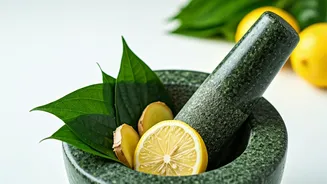
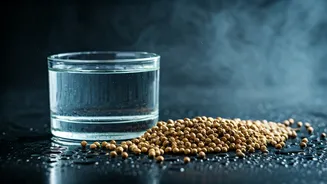
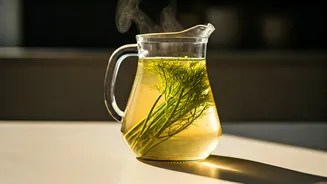
Making this beneficial drink at home is incredibly simple. The 'slow steep' method ensures a gentle infusion without boiling away volatile oils. **Overnight Cold Infusion (Recommended):** 1. Take one to two teaspoons of whole coriander seeds. 2. Lightly crush them using a mortar and pestle or the back of a spoon. This helps release their essential oils. 3. Add the crushed seeds to one large glass (about 250-300 ml) of water. 4. Cover and let it steep overnight at room temperature for 6-8 hours. 5. In the morning, stir, strain the seeds out, and drink the water. **Quick Warm Infusion:** If you're short on time, you can bring one glass of water to a boil, add one teaspoon of crushed seeds, turn off the heat, cover, and let it steep for 10-15 minutes before straining.
Tips for Best Results
To get the most out of your coriander water, consider these tips. For digestive benefits, it is often recommended to drink it first thing in the morning on an empty stomach. This allows the body to absorb its properties without interference from other foods. The taste is mild and slightly earthy; if you find it too plain, you can add a small squeeze of lemon juice or a few mint leaves. However, for managing digestive issues, it's best to consume it plain. Consistency is more important than quantity. Incorporating a small glass into your daily routine, especially during seasons or times when you are prone to bloating, is more effective than drinking large amounts sporadically.
A Word of Caution
Coriander seed water is generally safe for most people when consumed in moderation. However, due to its diuretic effect, individuals with low blood pressure or those on blood pressure medication should be mindful. Similarly, as it can have a mild effect on blood sugar levels, people with diabetes should monitor their levels if they begin consuming it regularly. Allergic reactions are rare but possible. As with any herbal remedy, if you are pregnant, breastfeeding, or have a pre-existing health condition, it is always wise to consult with a doctor or a qualified health practitioner before adding it to your routine.