





Our Fragmented Green Spaces
For centuries, wildlife roamed vast, unbroken landscapes. But with a growing human population, these areas have been carved up by roads, railways, farms, and cities. This process, known as habitat fragmentation, creates isolated 'islands' of forest. Animals
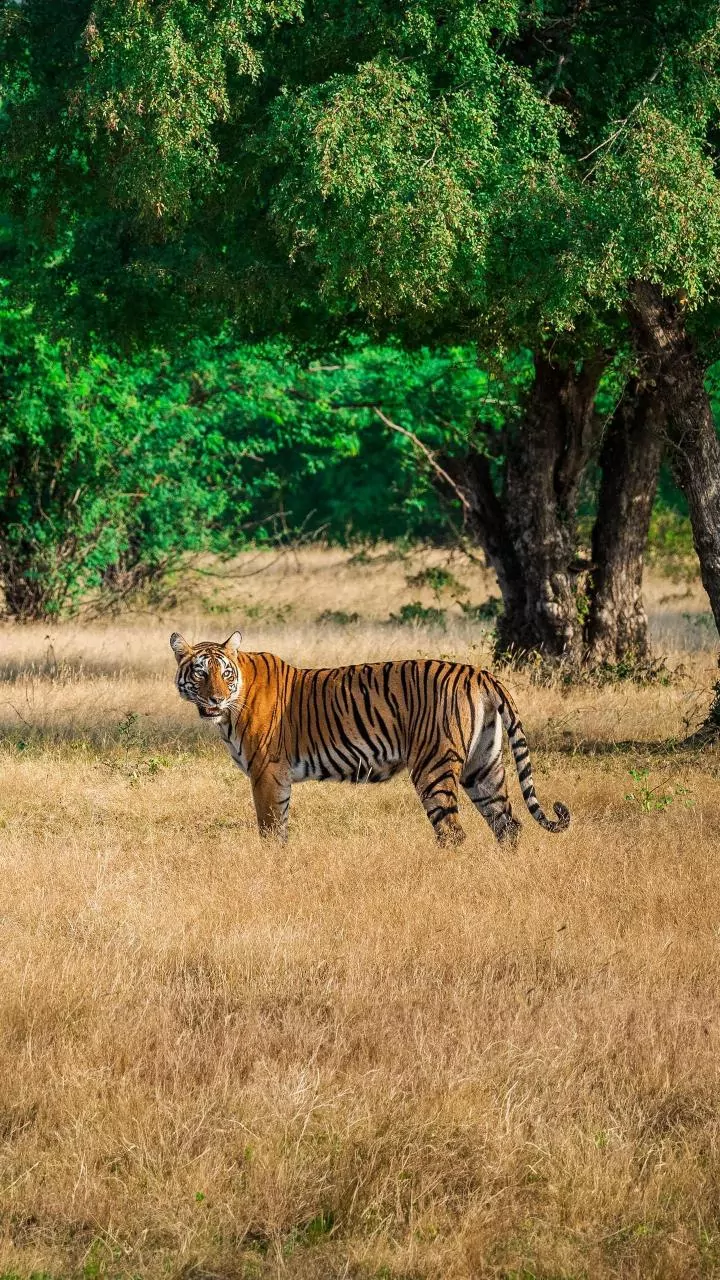
get trapped within these pockets, unable to reach new territories to find food, water, or mates. For species like tigers that need large ranges or elephant herds that follow ancient migratory routes, these barriers can be devastating, leading to shrinking populations and increased conflict with humans as animals are forced into populated areas.
What Exactly is a Wildlife Corridor?
A wildlife corridor is essentially a lifeline that bridges two or more of these fragmented habitats. It's a travel lane for nature. These corridors can take many forms. Some are vast, continuous stretches of forest connecting two national parks. Others are more modern solutions, like vegetated overpasses or wide underpasses that allow animals to safely cross busy highways. The goal is simple: to provide a safe right of passage, allowing animals to move as they naturally would, undisturbed by human activity. In India, these corridors are critical for species ranging from tigers and elephants to leopards, wild dogs, and even smaller mammals and birds.
The Lifeline of Genetic Diversity
One of the most critical functions of wildlife corridors is maintaining genetic diversity. When animal populations become isolated, they are forced to breed with closely related individuals. This inbreeding weakens the gene pool over time, making the population more vulnerable to disease and less able to adapt to environmental changes like climate change. By allowing animals from different areas to meet and breed, corridors ensure a healthy flow of genes. This genetic mixing is fundamental to the long-term survival of a species, acting as an evolutionary insurance policy. Studies have shown that connected habitats are more resilient and support a greater number of species.
India's Corridors in Action
India, home to about 60% of the world's wild Asian elephants and a significant tiger population, has made strides in identifying and protecting these vital links. The National Tiger Conservation Authority (NTCA), in partnership with the Wildlife Institute of India, has mapped 32 major tiger corridors across the country, from the Shivalik Hills to the Western Ghats. Famous examples include the Kanha-Pench corridor in Central India, which allows tigers to move between the two major reserves, and the Kaziranga-Karbi Anglong landscape in Assam, crucial for elephants. Similarly, organisations like the Wildlife Trust of India have identified over 100 elephant corridors, working to secure these passages through community engagement and policy advocacy.
The Road Ahead: Challenges and Solutions
Creating and protecting these corridors is not without challenges. The primary threat comes from linear infrastructure like highways, railway lines, and canals that continue to expand and slice through these natural pathways. Land acquisition for corridors can lead to conflicts over use, and human activities like illegal logging can degrade the habitat. However, the government and conservation groups are actively working on solutions. Tiger Conservation Plans now legally mandate strategies for corridor management. Furthermore, new infrastructure projects are increasingly incorporating eco-friendly designs, such as the wildlife underpasses on key national highways that have proven effective, with camera traps showing tigers and other endangered animals using them to cross safely.