


Why Rishikesh is a Freelancer's Haven
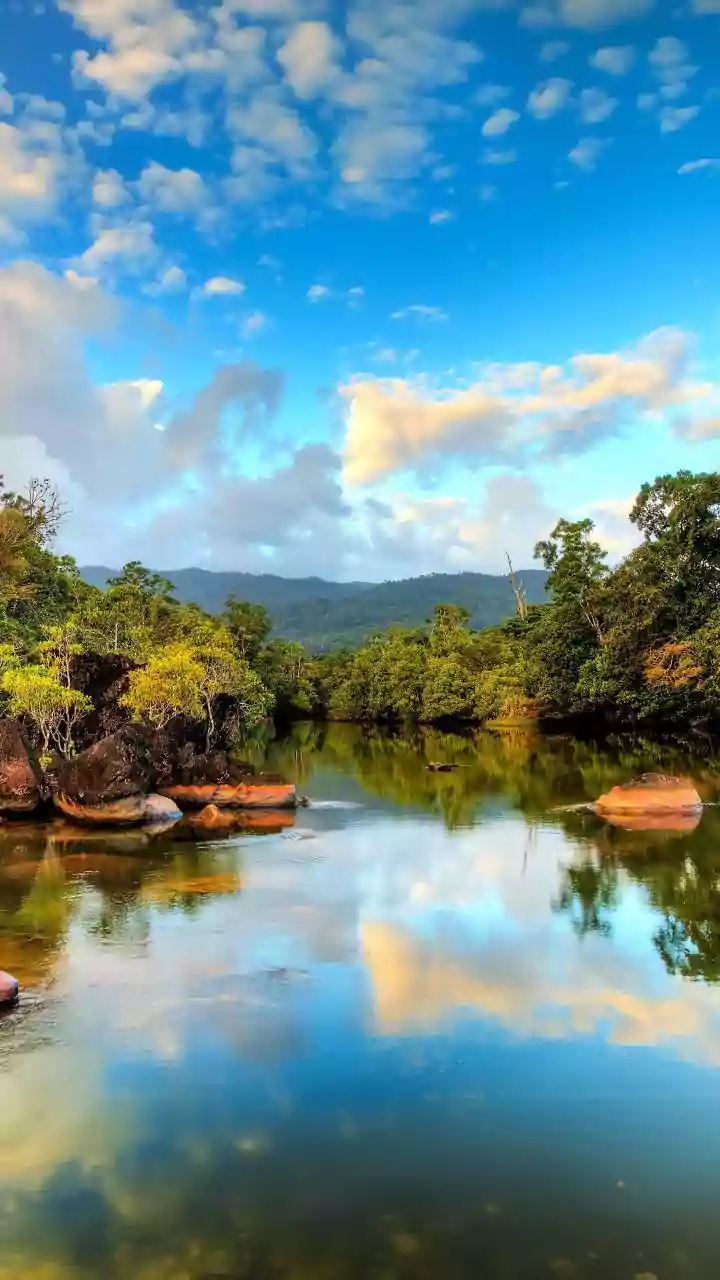
Rishikesh has quietly transformed from a pilgrimage and yoga destination into a hotspot for digital nomads and freelancers. The appeal is simple: a low cost of living, a serene natural environment in the Himalayan foothills, and a community of like-minded
individuals. For those seeking to escape the grind of city life without sacrificing their career, Rishikesh offers a compelling alternative. The town's atmosphere encourages a slower, more intentional pace of life, where work can be balanced with daily yoga, meditation, and immersion in nature. This unique combination makes it an ideal place to focus on deep work, kickstart a creative project, or simply recharge while still meeting professional deadlines.
Finding Your Riverside Sanctuary
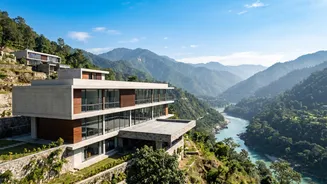
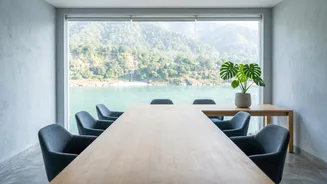
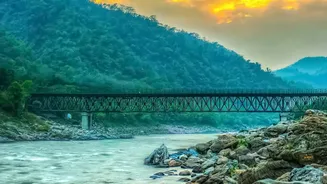
The dream of a quiet, river-facing workspace is achievable in Rishikesh, though it requires some planning. The most popular areas for long-term stays are Tapovan, Laxman Jhula, and Ram Jhula. Tapovan is the hub for digital nomads, with the highest concentration of cafes and guesthouses catering to remote workers. For quieter, more traditional vibes, the Swarg Ashram area near Ram Jhula is an excellent choice. While luxury hotels offer premium river views, many family-run guesthouses and homestays in areas like High Bank or Upper Tapovan provide peaceful rooms with balconies overlooking the mountains and glimpses of the river at a fraction of the cost. For monthly stays, it is often best to book a few nights online and then explore on foot to find the perfect spot and negotiate a better rate directly with the owners.
Budgeting for an Affordable Long Stay
One of Rishikesh's biggest draws is its affordability. A freelancer can live comfortably for a fraction of what it would cost in a major Indian city. Monthly rentals for a simple room or small apartment can range from ₹10,000 to ₹15,000, depending on the location and amenities. Food is another area where you can save significantly; eating at local dhabas and cafes can cost as little as ₹15,000 per month. A total monthly budget of around ₹30,000 to ₹40,000 allows for a comfortable lifestyle, including accommodation, food, utilities, and leisure activities. Opting for local experiences, walking instead of taking auto-rickshaws for short distances, and eating local cuisine are easy ways to keep costs down.
Staying Connected: Wi-Fi and Workspaces
Consistent internet is non-negotiable for any freelancer, and Rishikesh delivers. While the town may not have the sprawling coworking infrastructure of a metro city, its connectivity is generally reliable, especially in the Tapovan area. Most guesthouses and cafes offer free Wi-Fi. However, speeds can fluctuate, so a personal mobile hotspot (from providers like Jio or Airtel) is a wise backup. Many cafes are unofficially freelancer-friendly, offering comfortable seating and power outlets with the purchase of a coffee or meal. Popular spots like Little Buddha Café and The 60's Café are known for their great views and work-friendly atmosphere.
Crafting Your Work-Life Rhythm
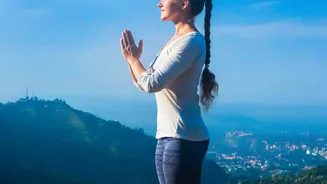
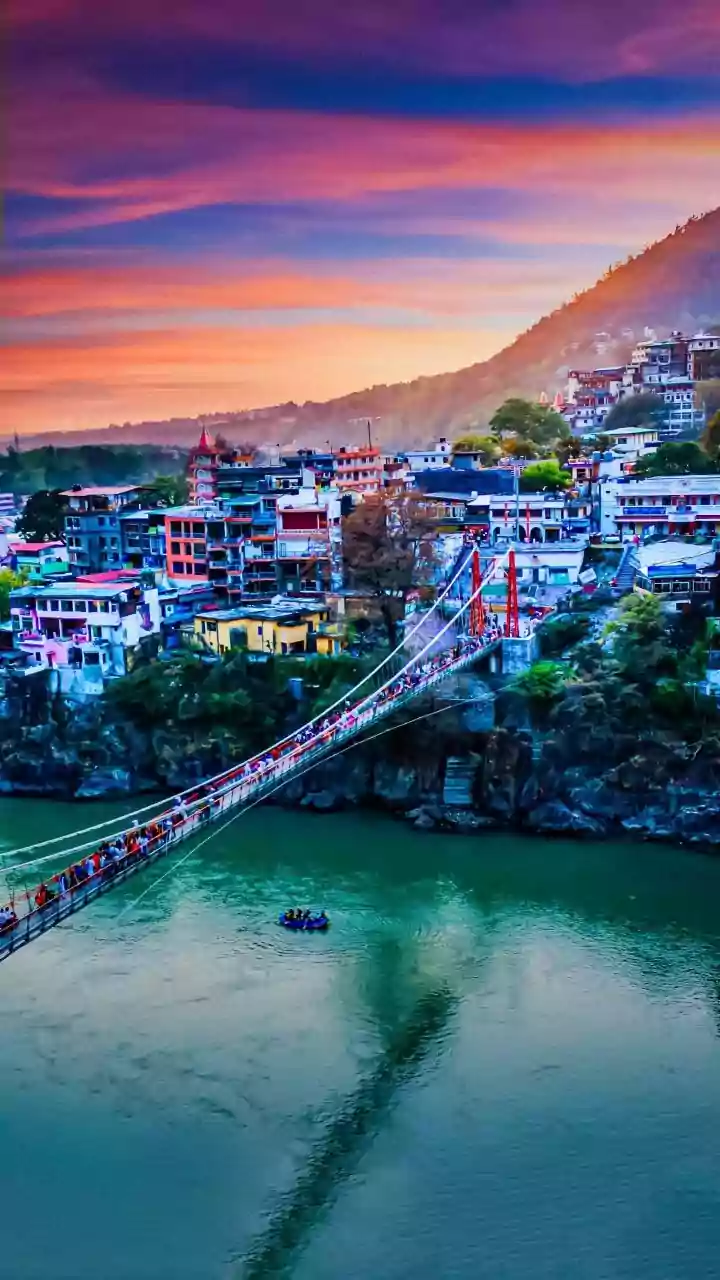
A workation in Rishikesh is an opportunity to design a healthier daily routine. Many freelancers start their day with a yoga or meditation session before settling into a few hours of focused work. Afternoons can be spent exploring the town's numerous ghats, temples, and suspension bridges like Laxman Jhula and Ram Jhula. Evenings are often marked by the magical Ganga Aarti ceremony, a must-see ritual of light and sound. Weekends can be dedicated to adventure sports like white-water rafting (seasonal), trekking to nearby waterfalls like Neer Garh, or taking short trips to the nearby hill stations of Mussoorie or Nainital. This rhythm allows for deep productivity while ensuring you are fully immersed in the unique culture and natural beauty of the area.
The Best Time for Your Workation
Timing your trip can greatly enhance your experience. The best seasons to visit Rishikesh are from March to April and from September to November. During these months, the weather is pleasant, making it ideal for both work and outdoor activities. The monsoon season (July to August) sees heavy rainfall, which can limit movement and adventure sports. Winters (December to February) are cool and crisp, which can be perfect for cozy work sessions, though you will need warm clothing.