





From Passive Sights to Active Tastes
For decades, the quintessential city tour involved sitting behind the large window of a bus, listening to a guide point out historical buildings and famous landmarks. It was a passive experience, designed for observation. But a new generation of travellers,
both domestic and international, is demanding more. They want to engage, participate, and connect. The rise of experiential travel, a trend focused on doing rather than just seeing, is reshaping tourism in India's bustling metropolises. This shift is most deliciously evident in the explosion of immersive culinary tours, which prioritise taste and interaction over sterile sightseeing. Instead of just viewing a 17th-century mosque from a distance, travellers are now walking through its adjoining lanes, tasting a kebab recipe that has been perfected over generations.
The Quest for Local Authenticity
At the heart of this trend is a deep desire for authenticity. Modern travellers are wary of tourist traps and curated experiences that feel disconnected from the real life of a city. Food, in its very essence, is authentic. It’s a direct line to a region's history, agriculture, and community traditions. Culinary tours offer an unvarnished glimpse into local life that a sightseeing bus simply cannot provide. These tours take you to the 100-year-old vada pav stall, the family-run sweet shop, and the hidden gems where locals have been eating for decades. The guides are often city residents passionate about their food heritage, sharing personal stories and cultural context that bring each dish to life. This approach transforms a simple meal into a meaningful cultural exchange.
A Feast for All the Senses
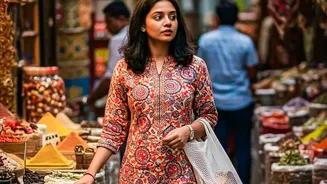
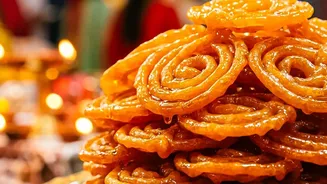
A food walk is an intensely sensory experience. It's about more than just taste. It’s the sound of sizzling oil in a giant kadai, the aroma of freshly ground spices in a centuries-old market, the sight of vibrant chutneys being prepared, and the texture of a perfectly crisp jalebi. Unlike a traditional tour that primarily engages sight, a culinary journey engages all the senses, creating vivid, lasting memories. Tour operators are leaning into this, curating walks that are not just about eating but about experiencing the entire culinary ecosystem of a neighbourhood. Travellers get to watch their food being made, interact with vendors, and understand the intricate processes behind the dishes they enjoy, making the experience far more memorable.
More Than Just a Meal
Leading food tours are not just about sampling a checklist of dishes; they are curated narratives. A walk through Old Delhi becomes a history lesson on Mughal culinary influences. A tour of Mumbai's Fort area can reveal the story of Parsi cafes and their contribution to the city's fabric. A stroll through Kolkata's streets might uncover colonial-era club snacks and their Bengali adaptations. According to a recent Godrej Food Trends Report, guided food tours are a primary influence on travel itineraries, second only to visiting famous local eateries. This highlights that travellers are seeking stories and context. They want to understand why a certain dish is famous, its origins, and its place in the daily lives of the people, turning the tour into an edible history lesson.
The Metros Leading the Charge
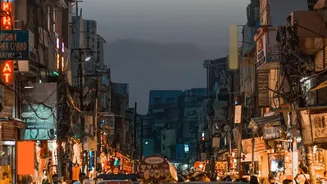
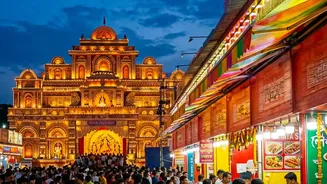
This trend is booming across India's major cities, each offering its own unique flavour. In Delhi, food walks through Chandni Chowk are legendary, offering everything from spicy chaat and stuffed parathas to rich, slow-cooked kulfi. Mumbai provides a diverse palette, with tours dedicated to street food classics like pav bhaji at Girgaon Chowpatty, kebab trails near Minara Masjid, or explorations of South Indian delicacies in Matunga. Kolkata's tours celebrate its rich history with everything from Bengali sweets to Kathi rolls, while cities like Bengaluru and Chennai offer deep dives into regional South Indian cuisine, from different types of dosas to coastal seafood specialities. These experiences are often led by experts and designed to be safe, hygienic, and accessible even to those with sensitive palates.