







The Rise of the Pet Food Connoisseur
In recent years, the way Indians care for their pets has transformed. Driven by a trend of 'pet humanisation,' owners increasingly see their pets as family members, leading to a surge in demand for high-quality products. The Indian pet food market, valued
at over USD 2.5 billion in 2025, is a testament to this shift. This has given rise to personalised nutrition: breed-specific formulas, grain-free diets, fresh-cooked subscription services, and foods targeting specific life stages. This move away from table scraps or basic kibble is fuelled by rising disposable incomes and a growing awareness that nutrition is fundamental to a pet’s health, with e-commerce platforms making these specialised products more accessible than ever.
What Premium Foods Get Right
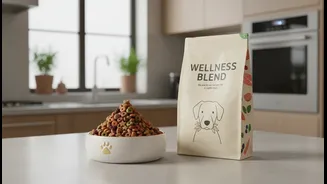
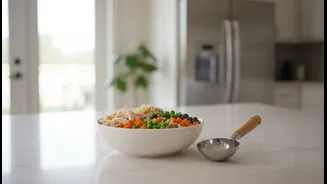
There's no denying that many premium pet foods offer tangible benefits. They are often formulated with higher-quality ingredients, featuring real meat as a primary protein source instead of fillers like corn or soy. This can lead to better digestibility, meaning your pet absorbs more nutrients from a smaller serving size. Pet parents who switch to premium brands often report visible improvements in their pets' health, such as a shinier coat, healthier skin, more consistent energy levels, and smaller, firmer stools. These foods are also typically free from artificial colours and preservatives, appealing to owners looking for more 'natural' options. For a generally healthy pet, a well-formulated premium food can be an excellent choice for long-term well-being.
Premium Is Not a Prescription
Herein lies the crucial distinction every pet owner must understand. A 'premium', 'boutique', or 'grain-free' food sold in a pet store or online is not the same as a 'prescription' or 'veterinary' diet. Prescription diets are specifically formulated to manage diagnosed medical conditions—like kidney disease, urinary issues, or severe allergies—and should only be used under a vet's guidance. They work by precisely controlling levels of certain nutrients, such as phosphorus for renal health or specific minerals to prevent urinary crystal formation. The terms on a premium food bag, like 'sensitive stomach' or 'joint support', are marketing claims, not medical treatments. These foods are not formulated to diagnose, treat, or cure disease.
The Danger of Self-Diagnosis
Trying to solve a pet's health issue by simply buying an expensive bag of food can be ineffective and even dangerous. For instance, if your dog has itchy skin, you might reach for a grain-free food, assuming a food allergy. However, the itchiness could be caused by environmental allergies, parasites, or a bacterial infection that requires medical treatment. Changing the diet without a proper diagnosis from a vet can delay effective treatment, allowing the real problem to worsen. Similarly, some boutique and grain-free diets with high levels of legumes have been investigated for potential links to a serious heart condition called dilated cardiomyopathy (DCM) in dogs. Relying on a food label instead of a veterinarian means you are guessing with your pet's health.
How to Choose Food Wisely
Navigating the pet food aisle doesn't have to be confusing. The most important step is to partner with your veterinarian. Before you switch your pet's food—especially if you suspect a health problem—consult your vet. They can rule out underlying medical conditions and provide recommendations based on science, not just clever marketing. Learn to read the ingredient list and look for the AAFCO (Association of American Feed Control Officials) statement, which indicates the food is formulated to be complete and balanced for a specific life stage. While a premium diet can be a great foundation for a healthy pet, remember that its primary role is nutrition, not medication.