


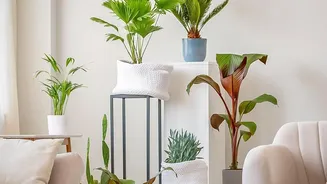
Understanding How Plants Help
Before we dive into specific plants, it's important to understand how they work. While the famous NASA Clean Air Study focused on removing chemical gases (VOCs), many plants also help with particulate matter (PM) — the fine dust and soot that are major
concerns in Delhi's air. Plants capture these fine particles on the waxy or textured surfaces of their leaves. Think of their foliage as a natural, living dust-trapper. This process, known as phytoremediation, involves the plant absorbing pollutants. For this to be effective, it's a good idea to gently wipe the leaves with a damp cloth every week or two to clean the surface and allow the plant to continue capturing more particles.
Managing Expectations: A Realistic View
It is crucial to be realistic. While plants are beneficial, they are not a substitute for a high-efficiency (HEPA) air purifier, especially on days with 'Severe' AQI levels. Research shows you would need a very large number of plants to equal the filtration power of a good purifier. Instead, think of houseplants as a complementary strategy. They improve indoor environments by adding humidity, which can help in dry winters, and offer proven psychological benefits. They are one component of a broader plan for a healthier home that includes mechanical filtration and proper ventilation on cleaner days.
The Areca Palm: A Tropical Humidifier
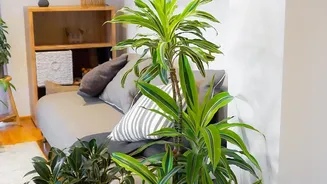
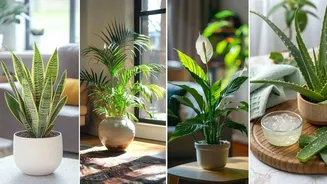
The Areca Palm is a popular choice in Indian homes for good reason. Its lush, feathery fronds are not just beautiful; they are also effective at trapping airborne particles. The large surface area of its many leaves provides ample space for dust to settle. Furthermore, this plant is a fantastic natural humidifier, releasing moisture into the air. This can be particularly beneficial during Delhi's dry winters, helping to soothe irritated airways. Areca Palms thrive in bright, indirect sunlight and prefer their soil to be kept consistently moist but not waterlogged.
The Snake Plant: A Hardy Bedroom Companion
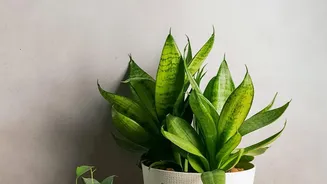
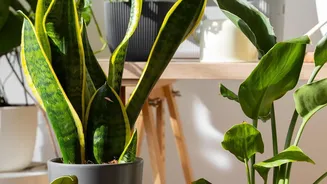
The Snake Plant, also known as 'mother-in-law's tongue', is nearly indestructible, making it perfect for beginner plant parents. It tolerates low light and infrequent watering. While renowned for filtering chemicals like formaldehyde and benzene, some studies have also shown its potential to reduce PM2.5 levels. A unique quality is its ability to release oxygen at night, a process most plants perform during the day. This makes it an excellent choice for bedrooms, contributing to a fresher environment while you sleep.
The Spider Plant: A Prolific Purifier
The Spider Plant is another resilient and easy-to-grow option. It's known for being highly effective at battling indoor pollutants. Studies have shown it can absorb a significant percentage of toxic agents from the air in a controlled environment. Its long, arching leaves create a dense foliage that is effective at capturing dust and other airborne particles. They are also non-toxic to pets and produce 'spiderettes' or baby plants that can be easily repotted, allowing you to spread these green filters throughout your home. They prefer bright, indirect light but are quite adaptable.
The Rubber Plant: Large Leaves, Large Impact
With its large, glossy, dark green leaves, the Rubber Plant (Ficus elastica) is a statement piece with a purpose. The broad surface area of its leaves makes it particularly efficient at capturing airborne pollutants, including particulate matter. More leaf area simply means more space for dust to land and be removed from the air. This plant is relatively hardy but does best in bright, indirect light. Allow the top layer of soil to dry out between waterings to prevent root issues. Wiping its leaves regularly will keep it looking its best and functioning effectively.
The Peace Lily: An Elegant Air Cleaner
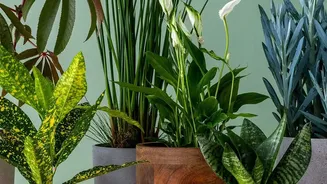
The Peace Lily is beloved for its elegant white flowers and its ability to thrive in lower light conditions. It's consistently ranked as a top performer for removing common household toxins like ammonia and formaldehyde. While its primary strength is against VOCs, its broad leaves also contribute to trapping dust from the air. It prefers consistently moist soil and will visibly droop when it needs water, taking the guesswork out of its care. This makes it a beautiful and functional addition to a living room or office.