






What is Fibre-Forward Eating?
For years, wellness trends have been dominated by what to cut out: sugar, gluten, carbohydrates, fat. The fibre-forward approach flips the script. Instead of focusing on restriction, it’s about intentionally adding more fibre-rich plant foods to your
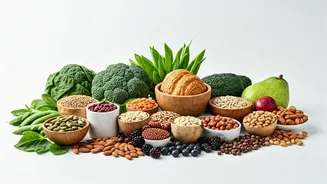
plate. It’s not a strict diet with complex rules, but rather a guiding principle. [12] The goal is to make fibre a star ingredient in your meals, not just an afterthought. This represents a significant shift away from the protein-obsessed, low-carb narratives that have long defined diet culture. [12] By prioritising fibre, you naturally incorporate more vegetables, fruits, whole grains, and legumes, creating meals that are both satisfying and nutritionally dense.
The Science of Satiety and Gut Health
The benefits of a high-fibre diet are extensive and well-documented. [4] Fibre is essential for maintaining a healthy digestive system, helping to prevent constipation and promote regular bowel movements. [8] It also plays a crucial role in weight management. High-fibre foods tend to be more filling, helping you feel satisfied for longer, which can reduce overall calorie intake. [13, 19] But the magic of fibre goes deeper, right into your gut microbiome. Soluble fibre, found in foods like oats, beans, and apples, acts as a prebiotic, feeding the beneficial bacteria in your gut. [17] A healthy gut microbiome is linked to a stronger immune system, reduced inflammation, and a lower risk of chronic diseases like heart disease, type 2 diabetes, and certain cancers. [17, 23]
Building a Better, Fibre-Rich Plate
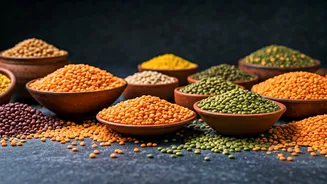
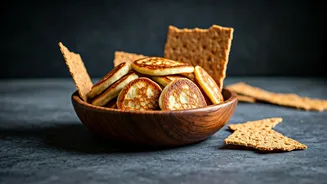
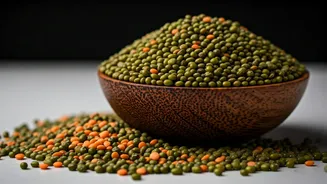
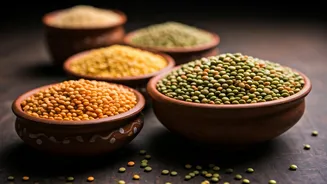
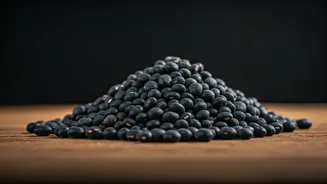
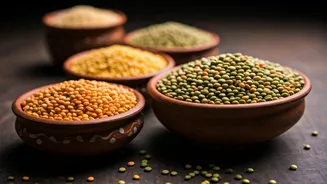
Adopting a fibre-forward way of eating is easier and more delicious than you might think, especially in India, where many traditional foods are naturally rich in this key nutrient. Lentils and legumes, staples of Indian cuisine, are fibre powerhouses. [2, 7] Think of comforting bowls of masoor, moong, or chana dal, and hearty rajma or chole curries. [5, 6] Switching to whole grains is another simple yet effective change. Opt for whole wheat atta for your daily rotis, or incorporate millets like jowar, bajra, and ragi into your meals. [2, 3] Instead of white rice, try brown rice or quinoa. [3, 9] Don't forget vegetables and fruits. Eating them with their skins on, like with apples and potatoes, boosts their fibre content. [14] Add extra vegetables like spinach, okra (bhindi), or carrots to your curries and side dishes. [2] For snacks, a handful of nuts, roasted chana, or fresh fruit like guava and banana are excellent choices. [3, 5]
A Sustainable Mindset Shift
Perhaps the most compelling aspect of fibre-forward eating is the change in mindset it encourages. It moves wellness away from a culture of deprivation and towards one of abundance and enjoyment. It’s a flexible framework that honours cultural food traditions and personal preferences. [12] There’s no need for perfection or obsessive tracking. Instead, the focus is on consistently making small, positive additions. [15] This approach is inherently more sustainable in the long run because it doesn't feel like a diet. It's about nourishing your body with whole foods that make you feel good. When you prioritise adding fibre, you naturally crowd out less nutritious, ultra-processed options without ever having to label them as 'forbidden.' This positive framing can help repair relationships with food, fostering a more intuitive and joyful eating experience.