
The End of the Off-Season
For decades, the Indian tourism calendar was predictable: a bustling winter peak season followed by a scorching summer lull and a monsoon off-season where many destinations grew quiet. The rains, while essential for the land, were often seen as an inconvenience
for travel. But this perception is rapidly changing. Recent data reveals a dramatic surge in domestic travel during the monsoon months. According to travel platform Airbnb, searches for domestic monsoon getaways have increased by nearly 40% year-on-year, while booking site Cleartrip has noted a 46% jump in monsoon bookings. The traditional concept of an 'off-season' is shrinking, as travellers discover the unique charm and practical benefits of exploring India under overcast skies. This isn’t just a statistical blip; it's a fundamental change in travel culture, driven by a younger, more adventurous demographic.
Meet the New Monsoon Traveller
At the heart of this trend are India’s Gen Z and Millennial travellers, who approach leisure with a different mindset. Instead of one long annual vacation, many now favour multiple short trips, or 'micro-cations', of three to five days. This preference for shorter, more frequent breaks fits perfectly with the spontaneity that monsoon travel allows. Several factors are fueling this shift. Financial incentives are a major driver, with hotels and airlines offering significant discounts to attract visitors during what was once a quieter period. The desire to escape overcrowded tourist hotspots is another powerful motivator. For many, the appeal of experiencing a destination without the peak-season rush is worth a few rain showers. This generation is also highly influenced by social media, where the aesthetic of rain-swept landscapes, misty hills, and verdant forests has become a new form of travel inspiration.
Where the Clouds Lead
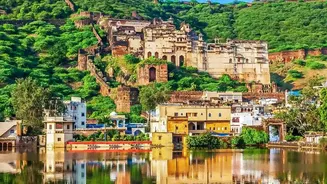
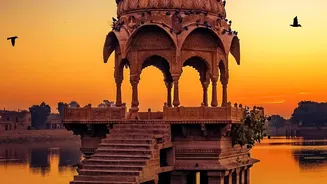
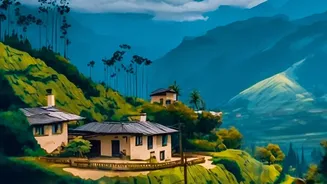
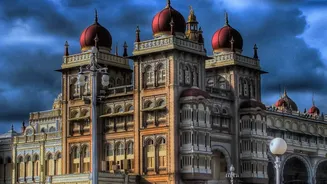
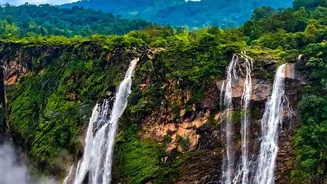
So, where are these new-age rain chasers headed? The destinations are as diverse as the country itself, each offering a distinct monsoon experience. The Western Ghats become a major draw, with hill stations in Maharashtra like Lonavala and Mahabaleshwar turning into lush green havens dotted with gushing waterfalls. Further south, Karnataka's Coorg and the tea plantations of Munnar in Kerala become enveloped in a romantic mist, attracting couples and nature lovers alike. In fact, destinations in Kerala like Wayanad have seen booking growth of over 160%. Even Goa, famous for its sunny beaches, offers a different, more tranquil vibe during the rains, with verdant landscapes and fewer crowds. It's not just the hills and coasts. Heritage cities like Udaipur and Jaipur in Rajasthan also see a new wave of visitors, who find that the monsoon rains lend a fresh charm to the city's lakes and palaces. In the north, places like the Valley of Flowers in Uttarakhand and hill stations like Mussoorie are also gaining popularity.
A Shift in Perspective
This growing embrace of monsoon travel signifies more than just a search for good deals. It reflects a deeper shift towards experience-led tourism. Travellers are increasingly looking for authenticity and a connection with nature, prioritising unique experiences over conventional sightseeing. The monsoon offers just that: a chance to see India in its most refreshed and dramatic state. It encourages a slower, more immersive pace of travel, where the journey itself—navigating misty roads, stopping for tea while the rain pours, and witnessing landscapes transform—becomes a core part of the adventure. This trend demonstrates a newfound appreciation for the country's natural cycles, turning what was once seen as a barrier into a reason to pack a bag and go. It’s a move away from the picture-perfect postcard and towards a more raw, real, and rewarding travel experience.