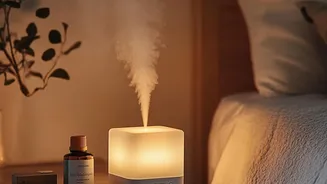




The Age-Old Practice
From a stuffy nose caused by the common cold to the painful pressure of sinusitis, steam inhalation is a go-to solution in households worldwide. The method is simple: inhale the warm, moist air from a bowl of hot water, often with a towel draped over
your head to trap the steam. Many people swear by it for loosening mucus and easing congestion. The logic feels sound—warm moisture should help thin out thick mucus, making it easier to breathe. This practice is passed down through generations, a comforting ritual when you're feeling unwell.
The Claim: Steam Clears Congestion
The primary belief is that inhaling steam directly moisturises the nasal passages, thinning and loosening stubborn mucus. This process, adherents claim, helps clear the sinuses, reduces inflammation, and alleviates the headache and facial pain that often accompany sinus issues. Adding aromatic herbs or essential oils like eucalyptus and peppermint is also popular, with the goal of enhancing the steam's decongestant effects and providing a sensation of clearer breathing.
The Reality: What the Science Says
Despite its enduring popularity, scientific evidence supporting steam inhalation is surprisingly weak. Multiple studies, including comprehensive reviews by Cochrane, have found little to no objective benefit. While some participants report feeling better temporarily, the treatment does not seem to shorten the illness or significantly improve nasal airflow when measured objectively. One large trial published in the Canadian Medical Association Journal found that steam inhalation was not an effective treatment for chronic sinus symptoms, although it did help some people with headaches. Essentially, while it might feel good in the moment, steam doesn't cure the underlying infection or inflammation.
The Herbal Element: A Soothing Sensation?
What about adding herbs like eucalyptus? These oils release strong aromas that can trigger a sensation in the nose, making it feel as if you are breathing more easily. However, this is largely a subjective feeling rather than a true therapeutic effect. Evidence for these additives curing congestion is scarce. Furthermore, some essential oils can be irritating to the respiratory tract and skin, and undiluted oils can be toxic if ingested, especially for children.
The Hidden Danger: A Serious Risk of Burns
The most significant argument against traditional steam inhalation is the risk of serious burns. Health organisations like the NHS in the UK have issued warnings after seeing a rise in severe scalds, particularly in children, from accidental spills of boiling water. These burns can be severe, requiring hospitalisation and surgery, and leaving permanent scars. Given the limited evidence of benefit, many medical experts conclude that the risk of a serious injury far outweighs any potential for temporary relief.
Safer Alternatives Recommended by Experts
So, if steam is out, what should you do? Doctors and ENT specialists recommend several safer and more effective alternatives. Nasal saline irrigation, using a sterile saline solution to flush the nasal passages, has been shown to be beneficial for sinus symptoms in clinical trials. Staying well-hydrated by drinking plenty of fluids helps thin mucus from the inside out. Using a cool-mist humidifier in your room can also add moisture to the air without the risk of burns. Over-the-counter pain relievers and decongestant sprays can also provide temporary relief, but it's best to consult a doctor for persistent or severe symptoms.