






What Exactly is Changing?
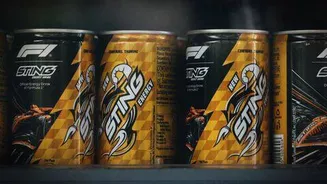
The Food Safety and Standards Authority of India (FSSAI) has ordered beverage companies to stop labelling their high-caffeine products as 'energy drinks'. This directive, issued in July 2026, gives major players like Red Bull, PepsiCo (for its Sting brand),
and Monster Beverage 90 days to comply. The core of the issue is that Indian food regulations do not have a specific standard or category for 'energy drinks'. As a result, the FSSAI argues that using this term is misleading to consumers. Instead of 'energy drink', these products will now be classified as 'caffeinated beverages', a category for which FSSAI has established clear guidelines. The order also cracks down on marketing claims such as 'vitalises body and mind' or anything that suggests the drink can remedy general weakness, deeming them impermissible and lacking scientific backing.
The Health Concerns Driving the New Rules
This regulatory shift is rooted in growing public health concerns over the consumption of these drinks, particularly among young people. Medical experts in India have warned of a rise in liver-related ailments among the youth, linking it to the excessive intake of beverages high in sugar, caffeine, and other additives. Doctors have pointed out that the combination of these ingredients can lead to fat accumulation in the liver, inflammation, and potential long-term damage like non-alcoholic fatty liver disease (NAFLD). Beyond the liver, high caffeine intake is associated with anxiety, insomnia, and heart rate issues. Many of these drinks contain caffeine levels at the upper end of the permissible limit, which FSSAI has capped at 320 milligrams per litre for 'caffeinated beverages'. There is also significant concern about the trend of mixing these stimulant drinks with alcohol, as the caffeine can mask the effects of intoxication, leading people to drink more than they otherwise would.
A 'Practical Test' for FSSAI
The headline's mention of a 'practical test' refers to the challenge of enforcement and compliance. This isn't just about changing a name; it's about fundamentally altering how a multi-billion dollar industry markets its products. The FSSAI's move represents a significant test of its authority to regulate a powerful industry that initially pushed back against the changes, citing potential brand damage and consumer confusion. After a closed-door meeting, however, the companies reportedly agreed to comply. The true test will be in monitoring these changes across a vast retail landscape, from major supermarkets to small local shops. It also extends to digital marketplaces, where e-commerce platforms have also been instructed to stop categorising these products as 'energy drinks'. The regulator's ability to ensure consistent compliance will be a measure of its effectiveness in prioritising public health over commercial interests.
What This Means for Consumers
For the average consumer, this change is about clarity and safety. The removal of the enticing 'energy' label is intended to provide a more accurate picture of what the product is: a sweetened, caffeinated beverage. Under existing rules, 'caffeinated beverages' must already carry specific warnings. These include a declaration of high caffeine content and a statement that the product is not recommended for children, pregnant or lactating women, and individuals sensitive to caffeine. The label must also state the maximum recommended consumption per day, often suggesting no more than one or two cans. With the misleading 'energy' branding gone, consumers are encouraged to focus on these mandatory warnings and the nutrition panel to make more informed decisions about their intake of caffeine and sugar.