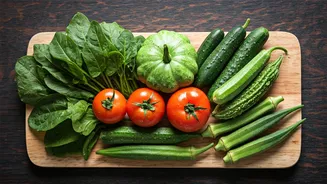






Bottle Gourd (Lauki): The Cooling Staple
Lauki is a quintessential monsoon vegetable for good reason. It’s incredibly affordable and packed with benefits. Composed of about 92% water, it’s excellent for hydration during humid July days. Its high fibre content aids digestion and helps prevent
common monsoon-related stomach issues. This humble gourd is also low in calories, making it a great choice for weight management. Rich in potassium, it supports heart health by helping to regulate blood pressure. You can enjoy it in a simple sabzi, add it to dals, or even make a refreshing juice. Always taste a small piece before juicing, as a bitter lauki can be toxic.
Ridge Gourd (Turai): The Nutrient Powerhouse
Often found at very reasonable prices during the rainy season, ridge gourd, or turai, is another vegetable to add to your list. It is exceptionally low in calories but rich in dietary fibre, which promotes a feeling of fullness and aids in weight management. Turai is also a good source of Vitamin C and other antioxidants that help bolster your immune system, which is particularly important during a season known for infections. Its high water and fibre content make it easy to digest and effective in preventing constipation. A simple stir-fry or curry with turai is a light yet satisfying meal.
Indian Corn (Bhutta): The Monsoon Icon
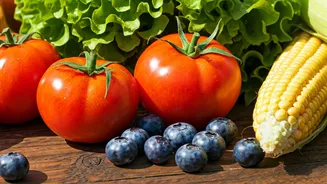
The sight and smell of a street vendor roasting bhutta over hot coals is a classic monsoon experience. Desi corn is a seasonal delight that is both delicious and inexpensive. It is a fantastic source of fibre, which aids digestion and can help you feel full longer, making it a smart snack for weight-watchers. While both sweet corn and desi bhutta are nutritious, the local variety is often considered healthier due to its lower sugar content. Enjoy it roasted with a squeeze of lemon and a sprinkle of masala for a timeless, healthy treat.
Jamun: The Tart Superfruit
Jamun, or black plum, is a special monsoon fruit available from June to August. This deep purple fruit is a nutritional powerhouse, loaded with Vitamin C and iron, which help increase haemoglobin and purify the blood. It’s also celebrated for its digestive benefits, acting as a coolant and helping to regulate bowel movements. Jamun has a low glycemic index, making it a great choice for those managing blood sugar levels. Enjoy them fresh with a pinch of salt, or blend them into a smoothie.
Peaches (Aadu): The Sweet Treat
Though they grow in cooler regions, peaches make their welcome appearance in markets across India during the summer and early monsoon. This juicy stone fruit is a wonderful source of Vitamins A and C, which are crucial for healthy skin and a strong immune system. Its fibre content aids digestion, and its natural sweetness makes it a perfect healthy dessert. Peaches are versatile; you can eat them as is, add them to salads for a sweet twist, or blend them into refreshing smoothies.
Pointed Gourd (Parwal): The Digestive Aid
Parwal is another vegetable that thrives during the monsoon and is widely available at a low cost. It is loaded with fibre and has been used in traditional medicine to cure digestive ailments. Rich in vitamins A and C, it also helps boost immunity and is beneficial for skin health. Due to its low calorie and high fibre content, it’s an excellent vegetable for those looking to manage their weight. You can prepare it as a simple stir-fry (bhujia) or stuff it with masala for a more elaborate dish.