



More Than Just Walking With Poles
At first glance, Nordic walking looks like skiing without snow—or perhaps hiking on a perfectly flat pavement. But it's a specific, evidence-based fitness technique that originated in Finland as a summer training method for cross-country skiers. Unlike
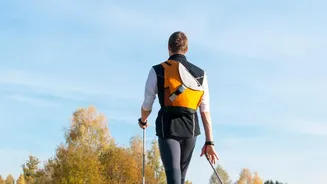
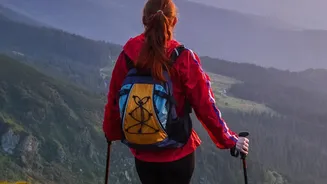
trekking poles used for stability, Nordic poles are designed to propel you forward. The technique involves a coordinated movement: as you step forward with one foot, the opposite arm swings forward to plant its pole. You then push off the pole, engaging your entire upper body in a way that regular walking does not. This transforms a lower-body exercise into a cohesive, total-body effort, activating muscles in your arms, shoulders, chest, and core with every single stride.
The Science of a Full-Body Stride
The difference between Nordic walking and a regular walk is significant. While a normal stroll engages about 50% of your muscles, primarily in the legs and hips, Nordic walking brings up to 90% of your body's muscles into play. This increased muscle activation is the engine behind its impressive benefits. Studies show that Nordic walking can burn up to 67% more calories than conventional walking, making it a far more efficient workout. By actively using the poles to push off, you also increase your heart rate and oxygen consumption, delivering a superior cardiovascular workout without the feeling of intense exertion. Furthermore, the poles help distribute your weight, reducing the impact and stress on your knees, hips, and ankles, making it an ideal low-impact option for all fitness levels.
Why the Comeback Now?
So why is this Finnish fitness secret experiencing a global revival? The trend aligns perfectly with a broader shift towards accessible, outdoor, and low-impact exercise. In a post-pandemic world, many are seeking routines that combine mental and physical wellness, and a walk in a park or along a trail fits the bill. The market for Nordic walking poles is steadily growing, projected to expand significantly by 2035, reflecting a rising interest in active aging and inclusive fitness. It's an activity that's adaptable for nearly everyone—from athletes using it for cross-training to older adults looking to improve balance and stability. This versatility is key to its rising popularity; it meets people where they are and grows with them.
From Passive Steps to Active Engagement
The rise of Nordic walking signals a meaningful shift in how we think about one of our most basic activities. For years, the focus has been on step counting—a passive measure of distance. Nordic walking reframes the goal from quantity of steps to quality of movement. It's not just about moving your legs; it's about powering your entire body forward. This concept of 'full-body walking' is also seen in other emerging trends like power walking and the '12-3-30' treadmill workout, which all aim to make walking a more deliberate and comprehensive form of exercise. Nordic walking, however, stands out for its unique combination of intensity, low impact, and full-body muscle engagement.
How to Join the Movement
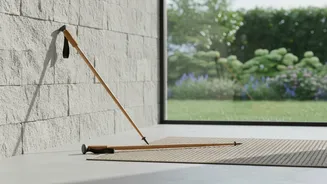
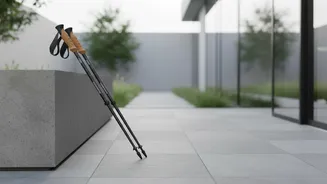
Getting started is simple, but technique is key to unlocking the full benefits. First, you need proper Nordic walking poles, which differ from hiking poles in their design, particularly the glove-like strap system. The basic movement involves walking with an upright posture, swinging your arms from the shoulder (not the elbow), and maintaining a natural, oppositional rhythm. As your right leg and left arm swing forward, you plant the left pole behind you at an angle and push. It may feel awkward at first, but with a little practice, the motion becomes fluid and rhythmic. Many communities offer introductory classes with certified instructors, which is a great way to learn the correct form and avoid common mistakes.